T1D Guide
T1D Strong News
Personal Stories
Resources
T1D Misdiagnosis
T1D Early Detection
Research/Clinical Trials
Diagnosed, Not Defeated: Phyllisa DeRoze on Misdiagnosis, Survival and Writing "Diabetes Helpers"
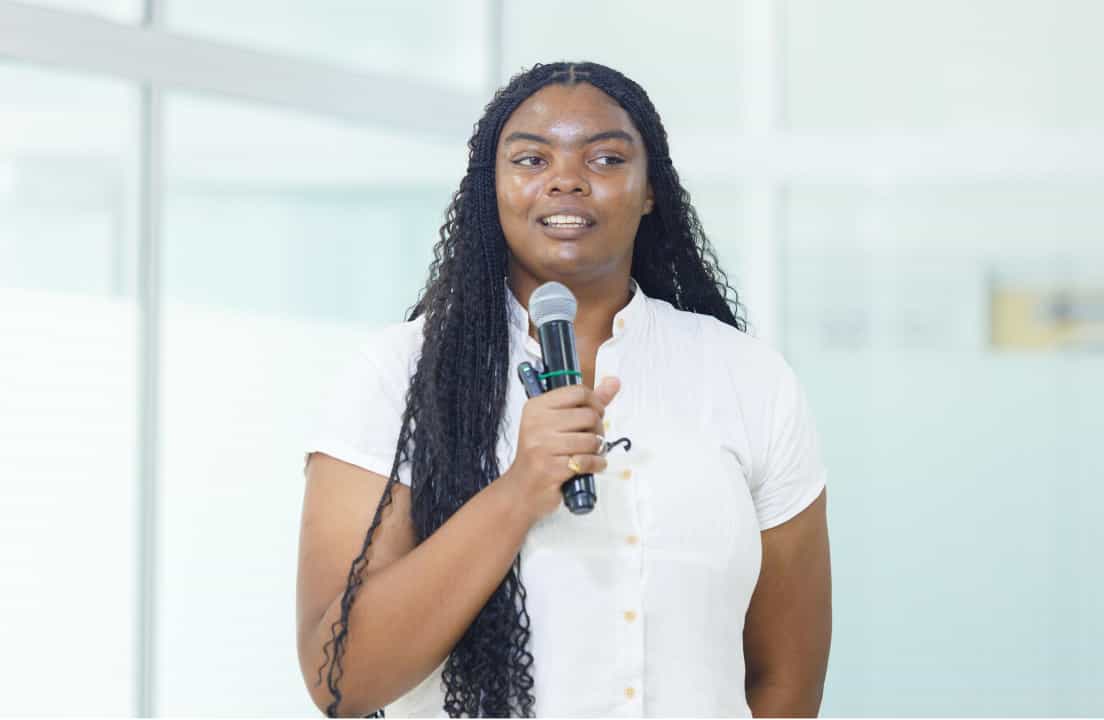
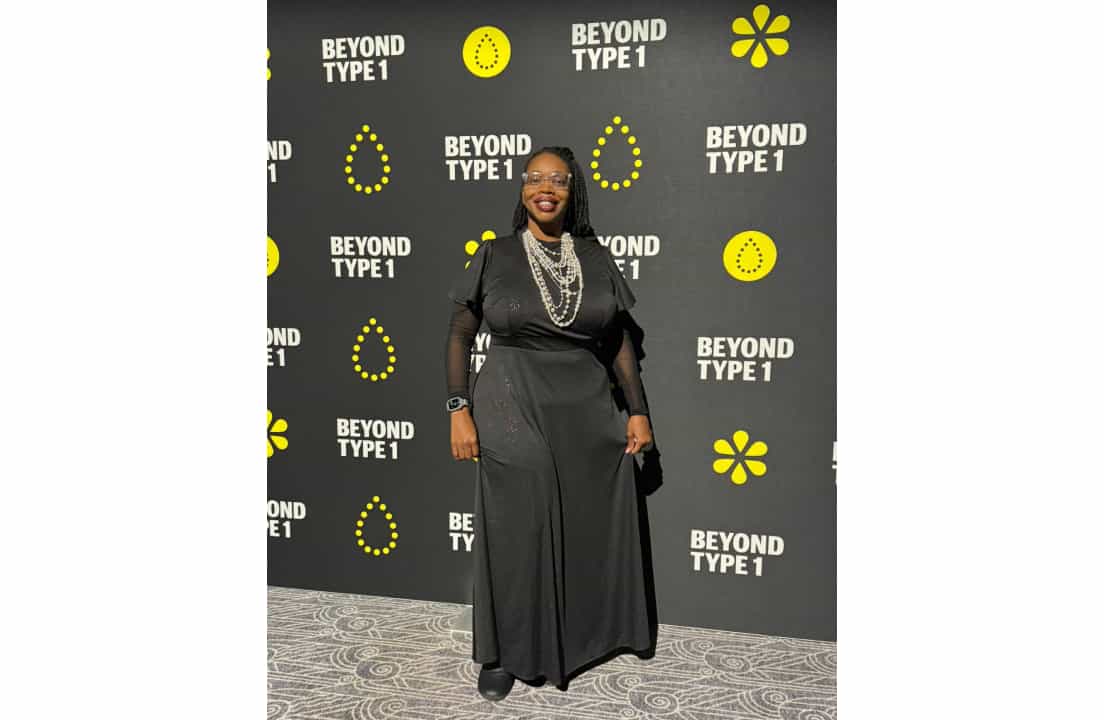
Dr. Phyllisa Deroze, a globally recognized diabetes advocate, researcher, and writer, founded the platform Black Diabetic Info and the popular blog Diagnosed Not Defeated. Realizing there were no age-appropriate books for children living with a person with diabetes, she created Diabetes Helpers to encourage family support.

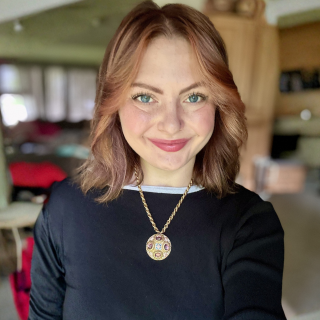
When Phyllisa DeRoze started on an insulin pump, her daughter, Jalanah, was still a toddler.
"Now mommy's on a pump, and it's in the way of holding her," DeRoze said.
She looked for books to help explain diabetes to a young child and couldn't find any. "I just felt like I was alone in that, and I wanted something to be there for parents," she said.
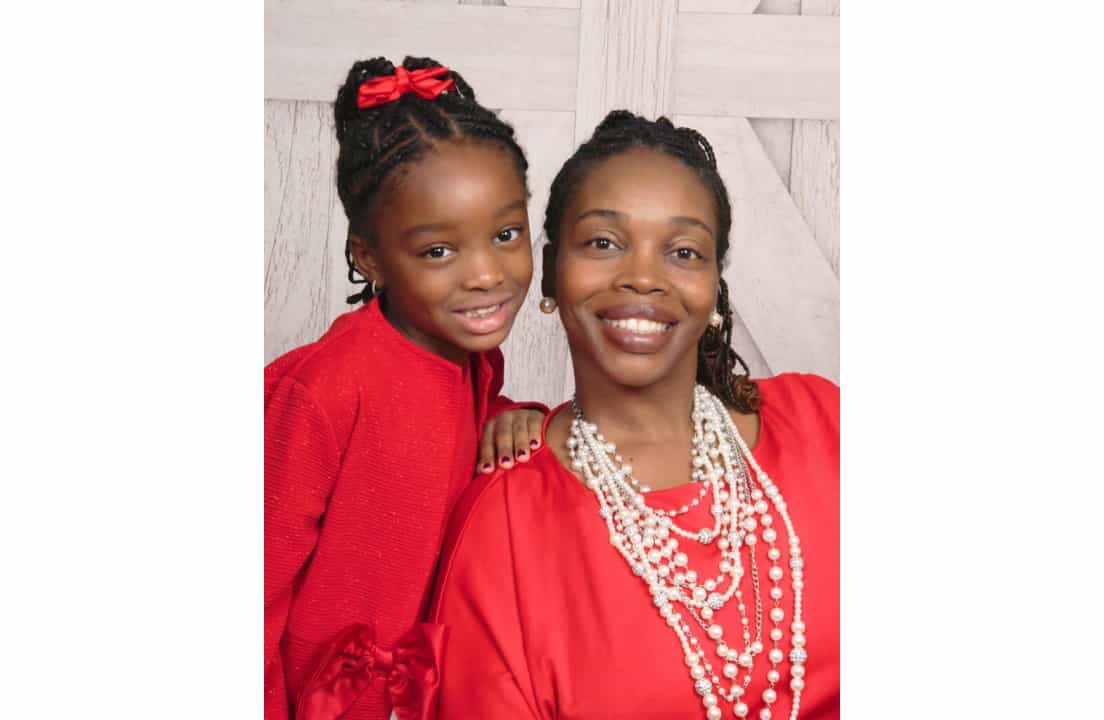
So she wrote one, with Jalanah's help.
Diabetes Helpers Teaches Teamwork and Empathy
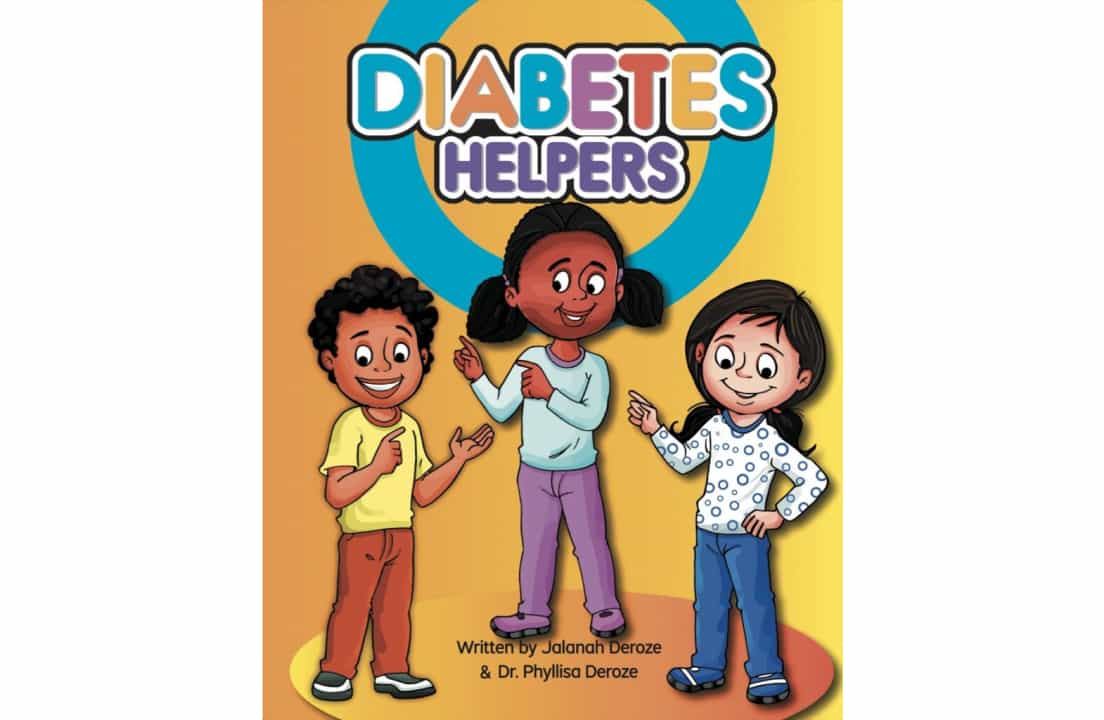
"'Diabetes Helpers' is the first diabetes children's book where the child doesn't have diabetes, but someone in their life does," DeRoze said. "It's like, you are a diabetes helper, too. I wanted it to be fun. I wanted it to be colorful."
She wanted her daughter to see their own home in its pages.
"In our house we have juice for her, bottom juice for me," she said, referring to where hers is kept versus other members of her household.
The book covers type 1 diabetes (T1D), type 2 diabetes (T2D), and latent autoimmune diabetes in adults (LADA).
"Everything I do, I think about other people," DeRoze said. "Some people use pumps, some people use injections, some people wear continuous glucose monitors (CGMs), some people use blood glucose meters. So the book has all of that in it. I wanted to be inclusive."
Her daughter reviewed pages as they came together and gave suggestions.
"So I'm a co-author, and she's my co-author for 'Diabetes Helpers,'" DeRoze said.
Bridging the Gap in Healthcare Education
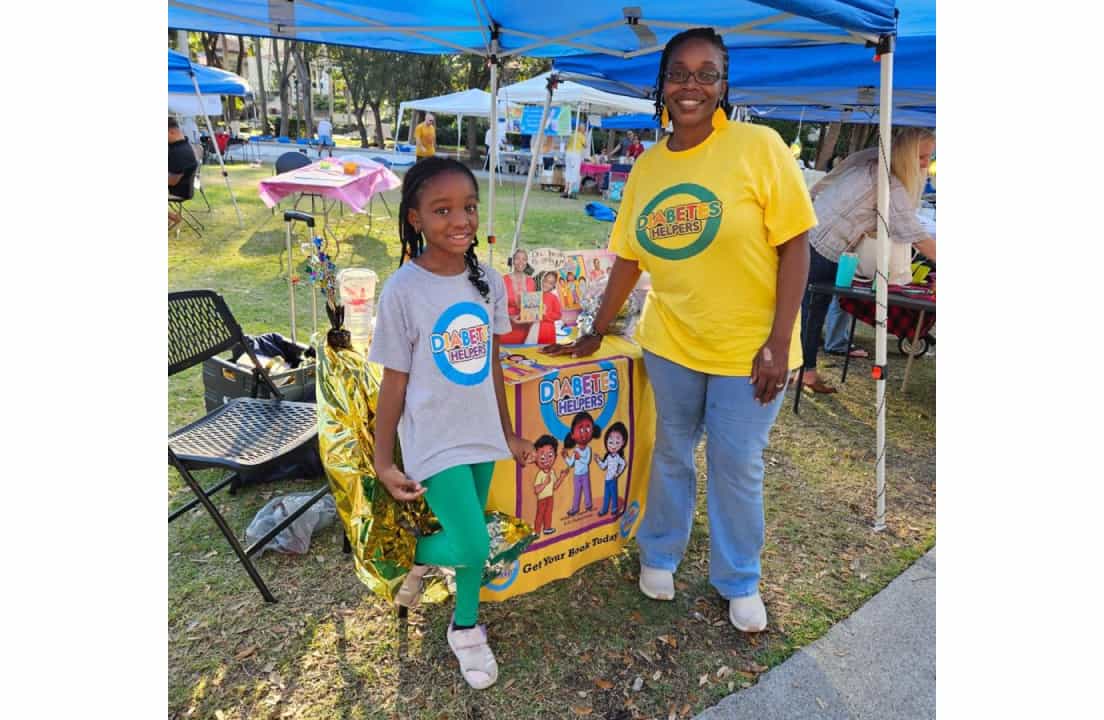
The book is one part of a larger body of work. DeRoze founded Black Diabetic Info to promote culturally competent diabetes education and serves on Medidata's patient insights board. Medidata notes that she earned her doctorate in English literature and taught at the university level for 15 years. She also hosts the International Diabetes Federation's (IDF) podcast "D-Talk" and has given workshops and keynotes in five countries.
The book is bright and playful, but it comes from a hard road. Before DeRoze got the right diagnosis, she nearly died, lost her home in a tornado, and spent eight years being treated for the wrong type of diabetes.
DeRoze had wanted to be a professor since she was 18. She finished her doctorate in December 2010, and by then she had already started her first faculty job in North Carolina.
When the spring semester started, she began to feel sick. Her vision blurred, and even with new glasses, she still couldn't see. She was also extremely thirsty and using the bathroom constantly. Because this was abnormal for her, DeRoze found a primary care provider and described her symptoms.
"I was told to drink Gatorade because my electrolytes were off from exercising five days a week," DeRoze said. "I wasn't drinking Gatorade at the time. I was mainly drinking water. So you can imagine adding the sugary drink landed me passing out in my bathtub a week later."
She was living alone. When she came to, she packed a bag.
"I said, 'I'm not going back home until someone tells me exactly what's wrong with me,'" she said.
At the doctor's office the next morning, the blood glucose meter didn't give a number. It just read "high."
"Her assistant said, 'Your glucose isn't registering. That's not a good thing,'" DeRoze said. "I didn't know what glucose was."
She called her mother in Florida, who happened to work at a diabetes center. When DeRoze had described her symptoms earlier, her mother had wondered about diabetes.
"She was like, 'That sounds like diabetes, but nobody in our family has diabetes,'" DeRoze said.
'You're not a case for the emergency room'
This time, her mother told her to go to the emergency room.
The provider gave DeRoze an injection without saying what it was. She now knows it was insulin, but at the time she didn't trust it.
"I was here last week to drink Gatorade, and I passed out," she said.
Then the provider argued against the emergency room.
"She says to me, 'You're not a case for the emergency room,'" DeRoze said. "Made me sign a waiver that I was going against her recommendation. I signed it and got out of there because my mama said, 'Go to the emergency room.'"
She was new to the area and didn't know where the hospital was, so she called a colleague to drive her. By the time they arrived, she was drifting in and out of consciousness.
"I opened the door and nearly fell down," she said. "I didn't have another sunset or sunrise in me left."
In triage, a nurse asked how long she'd had diabetes. It was the first time she had heard the word used about her, and she argued.
"I said, 'I don't even know anybody with diabetes,'" DeRoze said. "And that's when she takes the glucometer and turns it around and is like, 'You see this number? 597. Not only do you have diabetes, but you're going into a coma.' These were the words I heard at my diagnosis."
DeRoze spent six days in the hospital. She knew nobody in North Carolina, and her family was far away in Florida, so no one could visit her.
"Still to this day, that's the loneliest time in my life," she said.
Years later, that same feeling of being alone with diabetes is what sent her looking for a book for her daughter.
Writing From the Hospital Bed
DeRoze has been a writer since age 12, and she started writing almost right away. She called two or three friends from her hospital bed.
"We were sobbing," she said. "And I realized I can't emotionally go through that telling each of my friends."
So she wrote it down instead and sent it to everyone with one instruction.
"Do not call me until you have read this," she said. "I just needed a foundation that I wasn't repeating."
That letter turned into a blog, Diagnosed Not Defeated. Her early writing went beyond the medical facts.
"What I learned was the pamphlets did not speak to me where I was emotionally," DeRoze said. "That scientific jargon did not take into consideration that last month I was living my best life. And now I've been told I was going into a coma, and they're coming in here every so many hours giving me injections just so that I won't die. It was all confusing."
That idea, that diabetes information should meet people where they are, carries through to "Diabetes Helpers."
'Everything in the heavens told me to turn'
Back home, DeRoze cried every day for a month. April 16, 2011, was the first day she didn't. After doing her grocery shopping, she was stopped at a red light about a mile from her apartment.
"Everything in the heavens told me to turn into this Walmart," she said. "It was like the heavens opened up. God, Allah, Jesus, Buddha, Yahweh, my great-granddaddy, everybody. I never had that experience before, nor after. I just knew I needed to be obedient to whatever this was."
While she was inside, a tornado tore through the area. When she returned, her apartment was gone.
"All I'm thinking is, it can't be my apartment," she said. "I was just in the hospital for six days, about to die."
Those two events, weeks apart, are why she does the work she does.
"I had two near-death experiences back to back," DeRoze said. "So when people ask me why I am a diabetes advocate, it's my way of making sense of having those two near-death experiences back to back, because I was spared for a reason. I know for a fact in that tornado, the heavens saved me. I heard loud and clear, ‘Turn now."’
Eight Years with the Wrong Type
Advocacy came slowly for DeRoze because she received the wrong diagnosis twice. The first provider missed diabetes entirely, and then she was told she had T2D.
"That's a misdiagnosis," she said.
She had a honeymoon phase of almost two years without insulin. She went on it after moving to the United Arab Emirates as a Fulbright scholar. At first, she blamed her rising blood sugar on the hotel food and on not knowing the carbs. She wants people to understand this part of her story.
"There's a lot of talk or common misnomers in the type 1 diabetes space that everyone with T1D is on insulin, and that's not true," DeRoze said. "We will all become insulin-dependent. We have a slow progression to insulin dependency."
For six years, she blogged and made YouTube videos under an alias.
"I'm still dealing with diabetes stigma," she said of that time. "I'm still too caught up in that to put my name out."
She had seen how people with type 2 were treated in online spaces.
"When you have type two, people come after you," she said.
Her friend Cherise Shockley, founder of Diabetes Social Media Advocacy (#DSMA), and creator of the Blue Fridays initiative and Women of Color (WOC) Diabetes, kept encouraging her to share who she was. One day DeRoze got dressed up and recorded a video.
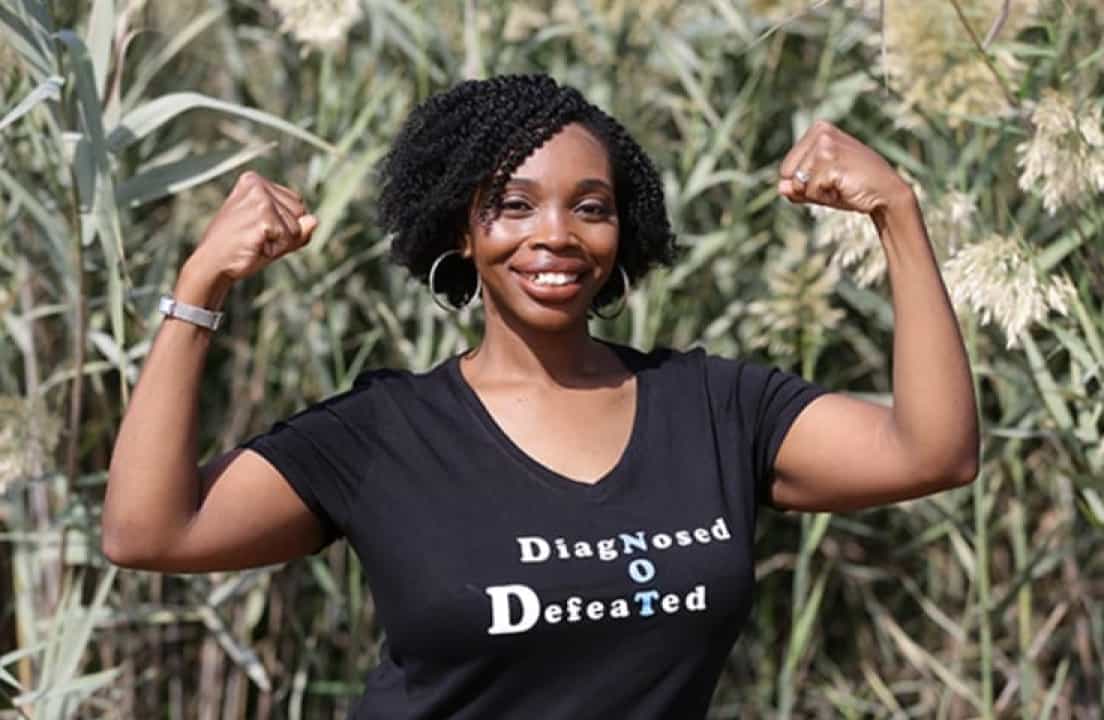
"I said, 'The person behind the blog Diagnosed Not Defeated is me. I'm Dr. Phyllisa DeRoze,'" she said. "I didn't wait to no longer be scared. I did it scared."
LADA Versus Type 1 Diabetes: Same Disease, Different Speed
In 2017, fellow blogger Mike Durbin, whom she'd met in 2013, shared that he had been misdiagnosed and actually lived with LADA. DeRoze said his news made her wonder whether the same thing could have happened to her.
"Well, if it could happen to Mike, maybe it can happen to me," she said.
Durbin told her about the GAD-65 antibody test. When she asked her endocrinologist for it, the answer was no.
The next year, after she gave a speech to a room of endocrinologists and diabetes educators, one of them came up to her.
"She said, 'I heard your story, and I don't think you have type two. I think you have LADA. You need to get tested and don't stop until you get the answer,'" DeRoze said.
She raised the test at every three-month visit. A second endocrinologist refused too, even after she offered to pay.
"He said, 'You'll be wasting your money, and I'm not going to write the script,'" DeRoze said.
In the summer of 2019, she went into diabetic ketoacidosis (DKA) while attending the Friends for Life conference in the U.S. She, her husband, and her daughter changed their flights and went home early.
"It was cheaper for me to buy insulin over the counter in Dubai than for me to go to the emergency room in the States," she said.
In the end, her gynecologist ran the test.
"She's the reason why I know to this day that I have T1D," DeRoze said. "I couldn't get an endo to test me."
The result came back "greater than 7,200 and verified by repeated testing." DeRoze slid the results under her endocrinologist's door with a note.
"She called, 'Phyllisa, get in here now. Stop taking all the oral medications that I've given you. I need to see you today,'" DeRoze said. "I asked this lady for a whole year, every three months, to test me. So I was angry."
'I hope someone else's journey is easier'
Living with LADA has meant adjusting again and again.
"I know what it's like to not need insulin, just to do diet and exercise," DeRoze said. "And then now, oh, I need a basal and a bolus. And then now you need a pump. You need to take insulin for every food item you think about."
Daily life with diabetes showed up during our conversation. Partway through, DeRoze's pump alerted her that she was going low, and she paused to treat it.
"I've moved over to applesauce pouches over juice," she said, before picking the story back up.
She hopes her story, and the book that came out of it, makes the road smoother for someone else.
"I take my story, and I hope someone else's journey is easier," she said.
An Album Born from a Hard Year
When asked what she most wanted readers to know, DeRoze talked about what's coming next.
"This year in particular has been rather challenging for me for a couple of reasons," she said. "From the challenges of this year, I've been able to channel that energy into creating a diabetes album that I'm releasing this November. I'm so happy, and I'm looking forward to sharing it with the diabetes community."
The album will be released first on Bandcamp, then on Spotify and Apple Music.
"I want to give people the opportunity to purchase the entire album before going to Spotify," she said.
Follow DeRoze on Instagram at @BlackDiabeticInfo and read her blog at DiagnosedNotDefeated.com to stay updated on her latest ventures and to utilize her resources and tips for people with diabetes.
If you or a loved one believe you have been misdiagnosed, seek help urgently. Don’t wait for an annual checkup if you already have signs of T1D. If you don’t have signs, get screened. Screening can change your journey and prevent scary or life-threatening diagnoses.