T1D Guide
T1D Strong News
Personal Stories
Resources
T1D Misdiagnosis
T1D Early Detection
Research/Clinical Trials
Jason Saggs: When Early Detection Becomes a Second Chance
Jason Saggs was diagnosed with type 1 diabetes (T1D) at the age of two, in 1970, in full-blown diabetic ketoacidosis (DKA). He arrived at the hospital in a critical state, with extremely high blood sugars and an uncertain future. That abrupt beginning marked his life, but it also taught him that diabetes is not just a number on a lab report: it is a long story, full of daily decisions.


Screening: Learning to See What Was Once Invisible
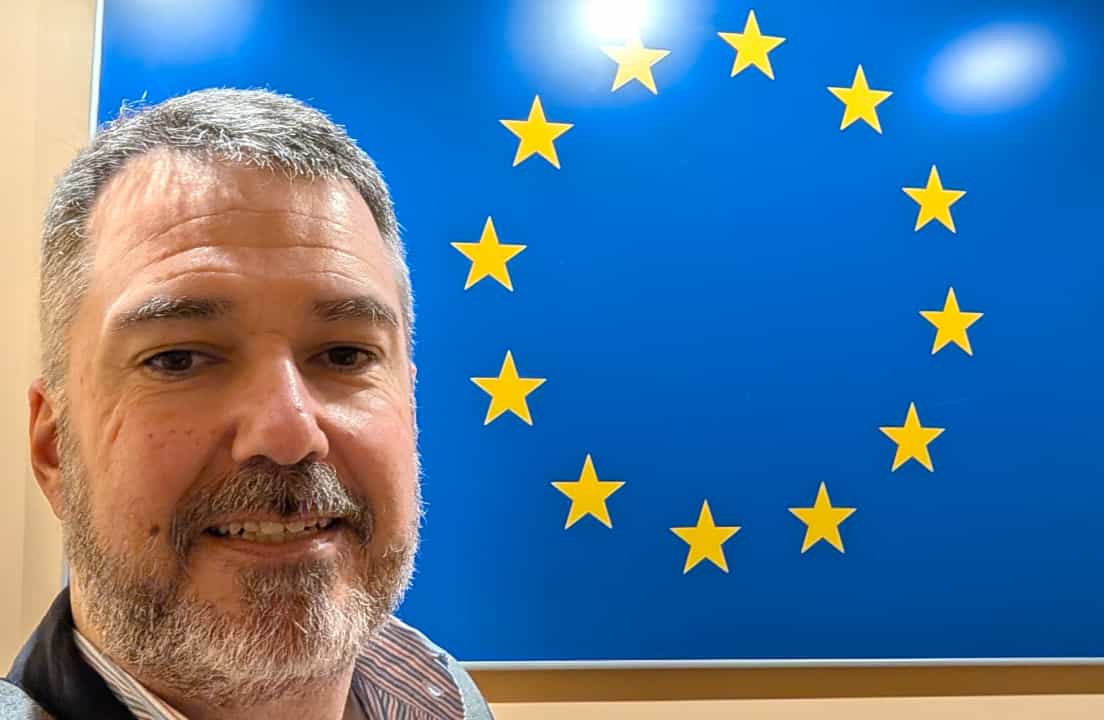
Decades later, Jason looks back with the calm of someone who has survived a lot, but also with the awareness that many things could have been easier if T1D screening, self‑care, and community had been present from the very beginning. Jason grew up in the UK and now lives in Spain. Over time, Jason has learned to value “seeing what you can’t see at first glance.”
Today he has three years of glucose data, with readings every 15 minutes, thanks to continuous glucose monitoring (CGM). Those data are not just numbers: they are an early‑warning system that helps him anticipate problems, adjust treatment, and better understand how his body reacts to stress, sleep, or food.
For Jason, screening is not a luxury but a form of protection: regular eye exams to watch for retinopathy, periodic check‑ups, and the chance to catch complications before it’s too late.
He even imagines a future where his child could be screened before developing diabetes, and his instinctive response is: “Why not?” Early detection, he suggests, is a way of taking some of the weight off the uncertainty.

Isolation and Mental Health: Living with Diabetes Alone
Jason’s story cannot be understood through technology alone. For many years, he lived with diabetes in isolation, barely knowing anyone else with type 1. He didn’t have a peer group to share fears, frustrations, or small everyday victories. That absence of community meant that he kept almost everything inside, convinced that “it was all just diabetes” and that he simply had to cope.
This isolation took a heavy toll on his mental health: worries about complications, guilt when results weren’t good enough, and a constant sense of falling short all piled up in silence. Jason sums it up simply: the hardest part has not been the needles, but living with the condition alone.
Crisis as a Turning Point: DKA risk, Alcohol Use, and Stigma
In 2024, all that accumulated weight finally broke the surface. Jason went through a profound crisis, was labeled an alcoholic and drug user, and his HbA1c hovered around 12%. Self‑care had become blurry, trapped between emotional distress and using alcohol as an escape.
For more information on alcohol use with diabetes, read T1D Strong's Diabetes and Addiction.

But for someone with diabetes, heavy drinking and drug use are not just “bad habits”: they are serious risks that multiply the chances of severe highs and lows, and even life‑threatening episodes like DKA.
Jason knows this first‑hand, and he is now very clear: alcohol is especially dangerous for people with diabetes, not only because of its metabolic effects, but also because it is a depressant that deepens sadness and emptiness.
Climbing out of that spiral took more than a medication tweak; it required rebuilding his relationship with himself, asking for help, and accepting that caring for his mental health was just as important as checking his blood sugar.
Redefining Self‑Care: Body, Mind, and Everyday Choices
From that turning point, Jason began to transform his life. A year after the crisis, his HbA1c had already dropped significantly, and today it sits around 5.8%. That change rests on several pillars: better access to technology (CGM), more intentional use of the healthcare system, and a rediscovery of everyday self‑care.
For Jason, self‑care means listening to his body when it’s exhausted and allowing it to rest—even if that means going back to bed two hours after getting up. It means creating a dark, quiet environment to sleep when his mind won’t switch off, or using simple tools like soft background sounds to calm racing thoughts. It is a form of self‑care that doesn’t stop at “good control,” but also includes the right to pause, to ask for support, and to let go of the demand for perfection.
Community, Screening, and Hope: Jason’s Message to Others
Today, when Jason speaks to other people with diabetes—especially those who are newly diagnosed—his message blends emotion and realism. He reminds them that today’s technology is infinitely better than what he had as a child and that it deserves to be fully used: screening, regular check‑ups, sensors, and routine tests are allies, not punishments.
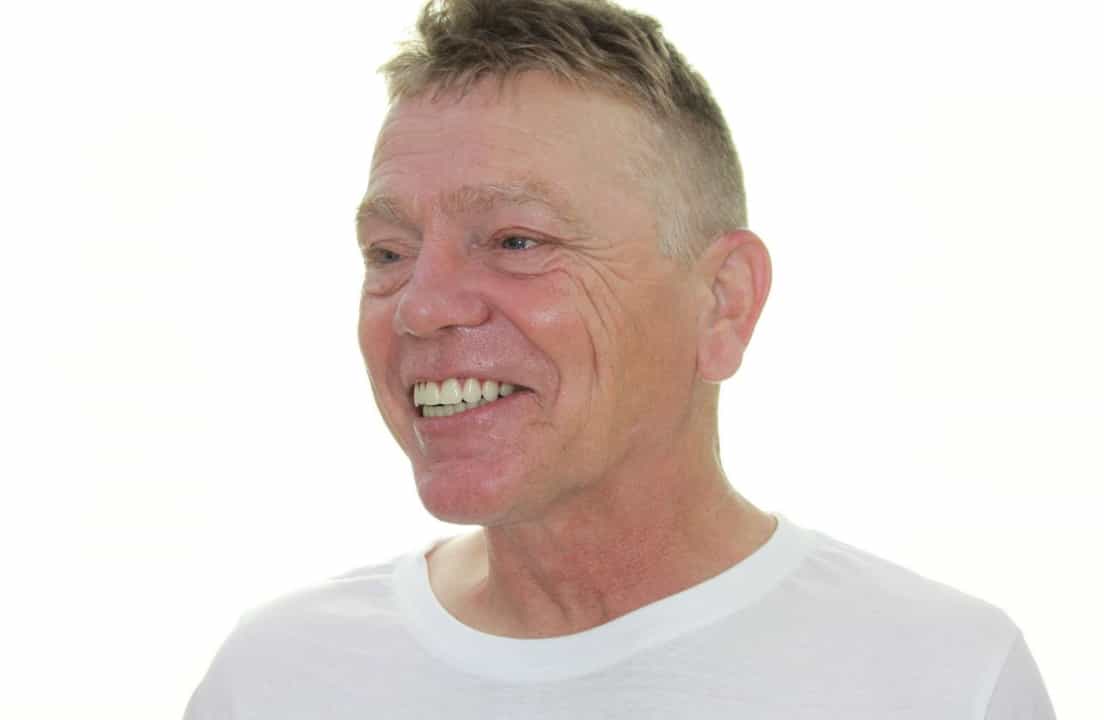
He urges them to keep their glucose as close to range as possible, but also not to forget something essential: no one should have to live with diabetes in isolation.
Community—other patients, advocacy groups, peer support, healthcare professionals who understand the emotional impact—can be the difference between merely surviving the condition and slowly learning to live with it with dignity and hope.
Jason, with his history of DKA, crisis, data, setbacks, and rebuilding, reminds us that caring for diabetes also means caring for the mind, and that early detection, self‑care, and community together speak the same language: the language of a life that keeps moving forward.