


T1D Guide
T1D Strong News
Personal Stories
Resources
T1D Misdiagnosis
T1D Early Detection
Research/Clinical Trials
Beyond the Prognosis: At 18, She Was Told She Might Live to Age 35 with T1D
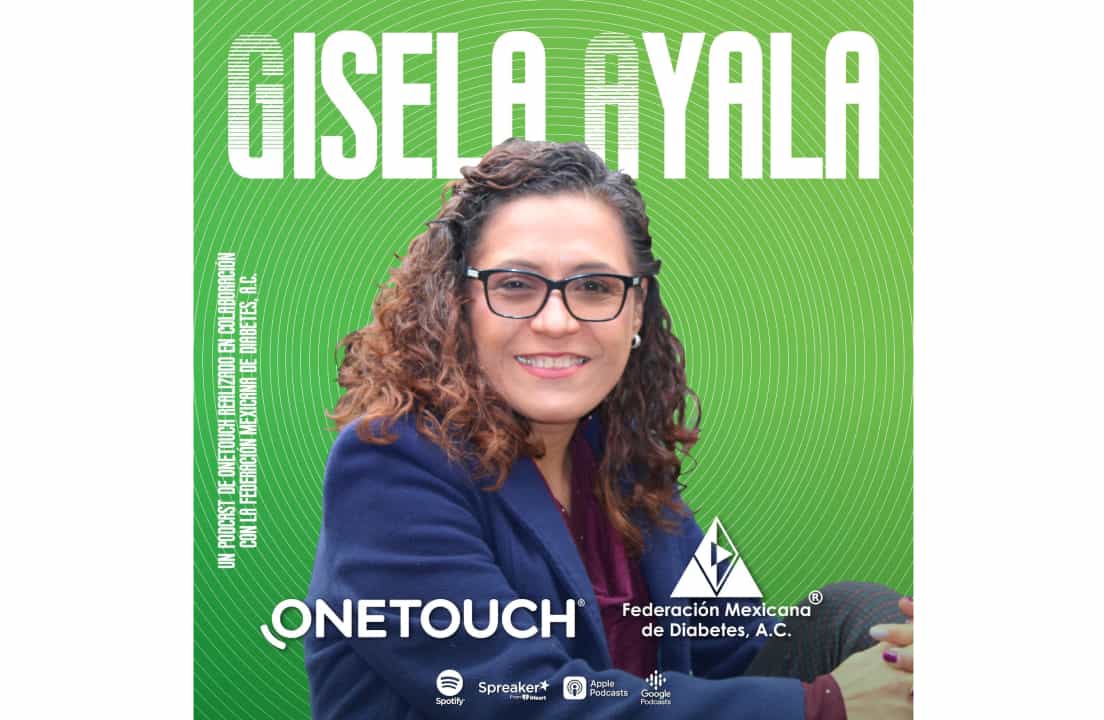
Diagnosed in 1991, Gisela Ayala Téllez, from Mexico, turned a confusing and lonely experience into decades of advocacy for education, earlier detection and support for people living with type 1 diabetes (T1D).


At 18, Gisela was diagnosed with type 1 diabetes in a private hospital. She remembers her endocrinologist explaining that she could live to 30 or 35 — a prediction that now stands in stark contrast to the decades she has spent working to improve life for others with the condition.
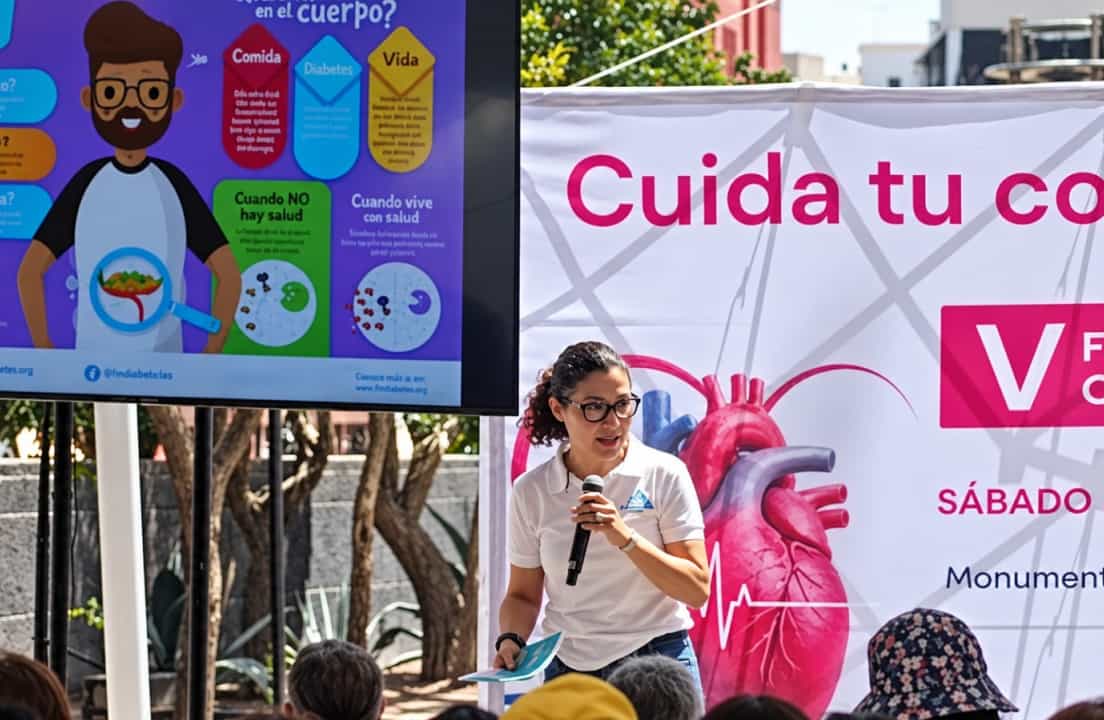
Today, as executive director of the Mexican Diabetes Federation, Gisela says her own experience helped her understand what families need when diabetes is unfamiliar and frightening. Her message is direct: education, trained health care professionals and access to support should not depend on where someone lives or how much they can pay.
A Diagnosis No One Expected
When Gisela was diagnosed, T1D was a new world for her family. She says many families in Mexico face a similar shock: a child, teenager or young adult may be the first person in the family to develop the condition, leaving relatives unsure what it means or how to help. That uncertainty can make the first days and months especially difficult.
People have to learn about insulin, blood glucose, exercise, and the changes diabetes brings to everyday life — often while trying to process the diagnosis itself.
Gisela’s own experience showed her that medical instructions alone are not enough. Patients and families also need guidance, diabetes education and emotional support as they learn to manage a lifelong condition.
Learning Alongside her Doctor
Gisela was fortunate to receive her diagnosis from an endocrinologist who recognized type 1 diabetes and explained what was happening. But she said the challenges continued, particularly when she encountered general practitioners who had little experience with type 1 diabetes in adults.
She recalls learning about insulin and blood glucose management alongside her doctors. That experience shaped her view of what good care requires: health professionals need not only information, but also practical tools to guide and prepare people to live with T1D.
Her story also underlines that type 1 diabetes is not only diagnosed in childhood. Gisela has met people in the Mexican Diabetes Federation community who were diagnosed after turning 18. For adults, she said, it can be especially important for clinicians to consider T1D rather than assume a different diagnosis.
A System that Waits for People to Become Sick
Gisela describes Mexico’s approach to type 1 diabetes as reactive rather than proactive. She says there is no universal, systematic screening program, and that children and young adults may reach the hospital only after they feel seriously ill.
For families who want screening, private care may be an option, but the cost can put it out of reach. That leaves access dependent on a family’s ability to pay, rather than on a consistent public system. When Gisela was asked whether knowing about risk earlier could change someone’s experience, she did not offer an easy answer. But she noted that “People who know what to watch for may recognize symptoms sooner and have more time to learn about the condition and prepare for care.”
Knowing the Risk is Not the Same as Having Access
Screening can raise difficult questions for families, especially when they learn that a child may be at risk but have limited access to follow-up resources. Gisela said that, at the time of the interview, teplizumab (Tzield) was not registered or available in Mexico.
For her, the larger issue is whether people have the information and support needed to act on what they learn. Screening is not equally accessible, and an early result can mean little if families cannot get clear guidance or appropriate care.
Gisela’s comments point to the need for a broader system: one that helps people understand risk, recognize symptoms and find knowledgeable health professionals. She sees education as part of care — not an optional extra after diagnosis.
Recognition is Progress, but the Work Continues
Gisela pointed to a 2023 general law in Mexico that recognizes type 1, type 2 and gestational diabetes as distinct conditions. She considers that recognition an important first step, particularly in a country where public conversations about “diabetes” often focus on type 2 and can be shaped by misconceptions about sugar, weight or personal choices. But recognition does not yet answer a basic question: how many people in Mexico live with type 1 diabetes?
Gisela said the country lacks clear figures because broader diabetes statistics include people with T1D. More accurate data, she argues, could help show where people are and what support they need. It could also inform better training for health professionals and make gaps in screening and access harder to overlook.
A Difficult Condition, and a Powerful Community
Living with type 1 diabetes has made Gisela more attentive to her health and brought her into contact with people she describes as wonderful friends and committed caregivers. She is candid about the daily demands: the condition requires knowledge, discipline and attention around the clock. That work can be exhausting. But Gisela says one of the most meaningful parts of her experience has been helping other people.
Her personal journey led her to the Mexican Diabetes Federation, where she could contribute to the education and support she believes families need. Her outlook is hopeful, but not complacent. Research around the world may bring improvements in the future, she says, while people living with diabetes today still need better tools and health professionals prepared to guide them.
The Work is Not Finished
Gisela’s message to the global type 1 diabetes community is that every child and adult deserves the chance to live well with the condition. That requires more than optimism: it requires accessible support, informed care teams and practical tools for the everyday realities of diabetes.
Her diagnosis began with uncertainty. The fight she joined is about making sure fewer families have to face that uncertainty alone.


.webp)
.jpeg)
.webp)















.jpg)






.jpg)




%20(1).jpg)



.jpg)
.jpg)
.jpg)
.jpg)
.jpg)
.jpg)
.jpg)
.jpg)
.jpg)
.jpg)
.jpg)
.jpg)
.jpg)
.jpg)
.jpg)

.jpg)
.jpg)
.jpg)
.jpg)
.jpg)

.jpg)
.jpg)
.jpg)

.jpg)

.jpg)
.jpg)

.jpg)
.jpg)


.webp)
.svg)