


T1D Guide
T1D Strong News
Personal Stories
Resources
T1D Misdiagnosis
T1D Early Detection
Research/Clinical Trials
Four Decades With Type 1 Diabetes: The Power of Curiosity
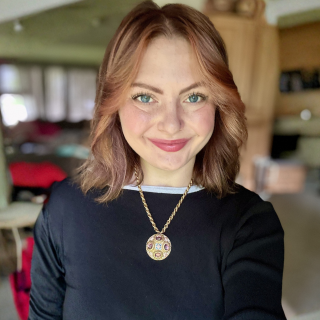
Diagnosed at 17, long before glucose sensors and insulin pumps, Caro Pudmensky spent years believing she had to give up sweets. Her journey from strict rules to self-advocacy taught her that learning more about diabetes can open up choices she never knew she had.
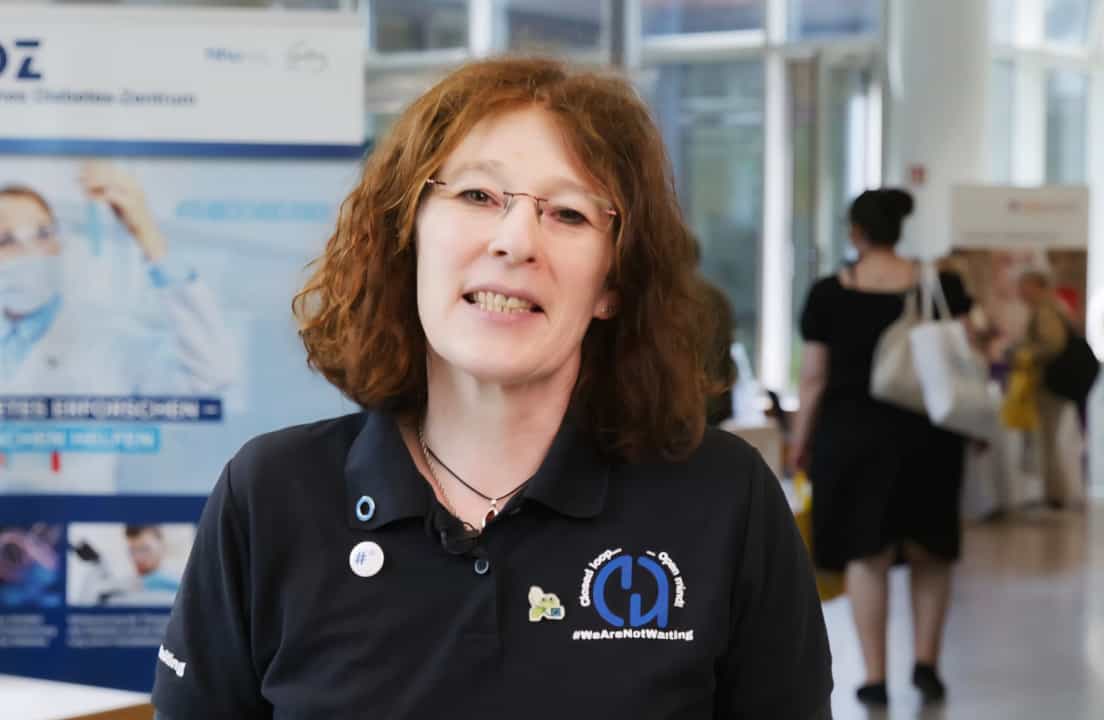

A Summer of Thirst and a Life-Changing Diagnosis
Caro Pudmensky still remembers one hot summer in Spain when she could not stop drinking. No matter how much water she had, she was always thirsty. At the time, she had no idea that this could be a sign of type 1 diabetes (T1D).
Months later, while her high school class was learning about diabetes, Caro suddenly recognized the symptoms in herself. She told her mother, who did not believe it could be diabetes, but her grandfather insisted that she have her blood sugar checked. The result was unmistakably high, and she was diagnosed with type 1 diabetes.
A Life of Strict Rules
Caro's early years with diabetes were very different from today. There were no continuous glucose monitors(CGMs), insulin pumps or automated insulin systems. She used syringes, followed fixed insulin doses and ate meals at set times.
She was also given a very strict rule about food: no sugar, no ice cream, no chocolate and no desserts. Even though she learned about carbohydrates, sweets were simply not part of her life. At restaurants, she would automatically give her dessert to her husband because she believed enjoying it was not an option for her.
Discovering a Different Way
About 20 years after her diagnosis, Caro started using an insulin pump. The pump gave her more flexibility, but something else changed her life too: she discovered the internet. For the first time, she could easily search for current information about diabetes and connect with other people living with type 1.
She found people eating sweets, counting the carbohydrates and taking insulin to match them. Caro was surprised to learn that the rule she had followed for so many years was not an absolute medical law. It was part of the way she had been taught to manage diabetes.
“I decided that would never happen to me again.”
From then on, she made curiosity part of her diabetes care. She wanted to understand new treatments, new technology and new ways of doing things so she would not miss out simply because she did not know something was possible.
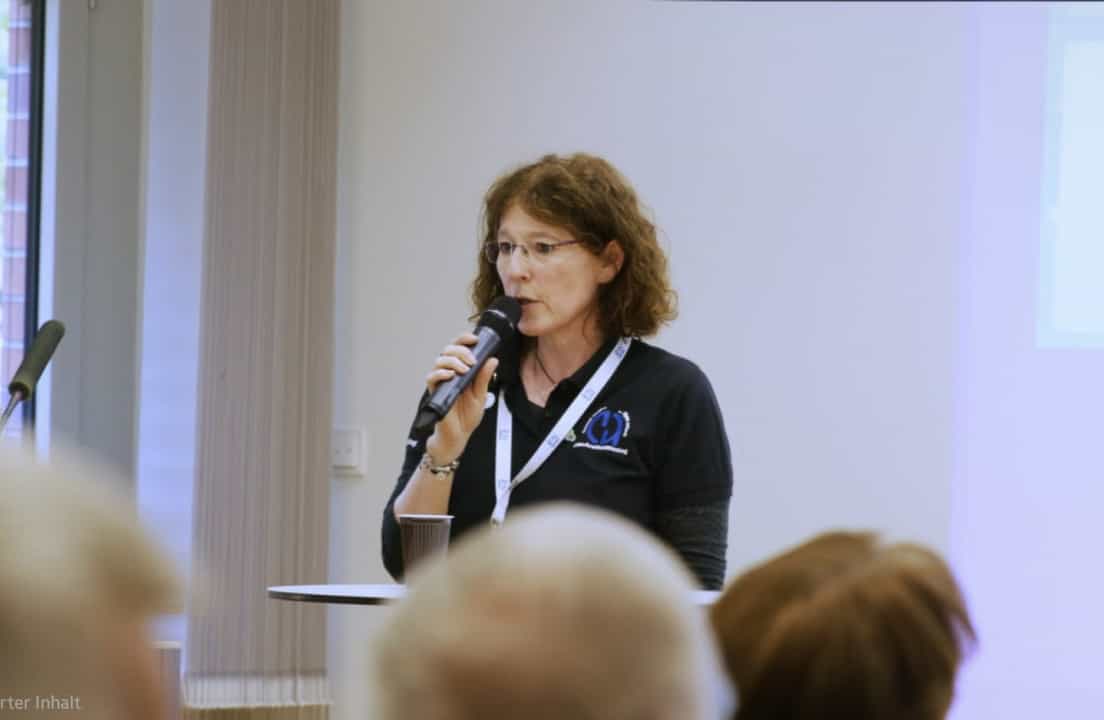
From Syringes to New Technology
Over four decades, Caro's diabetes technology has changed dramatically. She moved from syringes to insulin pens, then to a pump and eventually to a do-it-yourself automated insulin delivery system that uses information from her glucose sensor to help adjust insulin. Each new technology gave her more flexibility, but each also required her to learn.
Caro knows that her diabetes team is important, but she has also seen how quickly technology can change. Sometimes new tools and ideas move faster than everyday medical practice. That is why she reads, learns from diabetes communities and looks for reliable medical information before her appointments.
For Caro, being informed is not about knowing everything. It is about knowing enough to ask the right questions and understand the choices available to her.
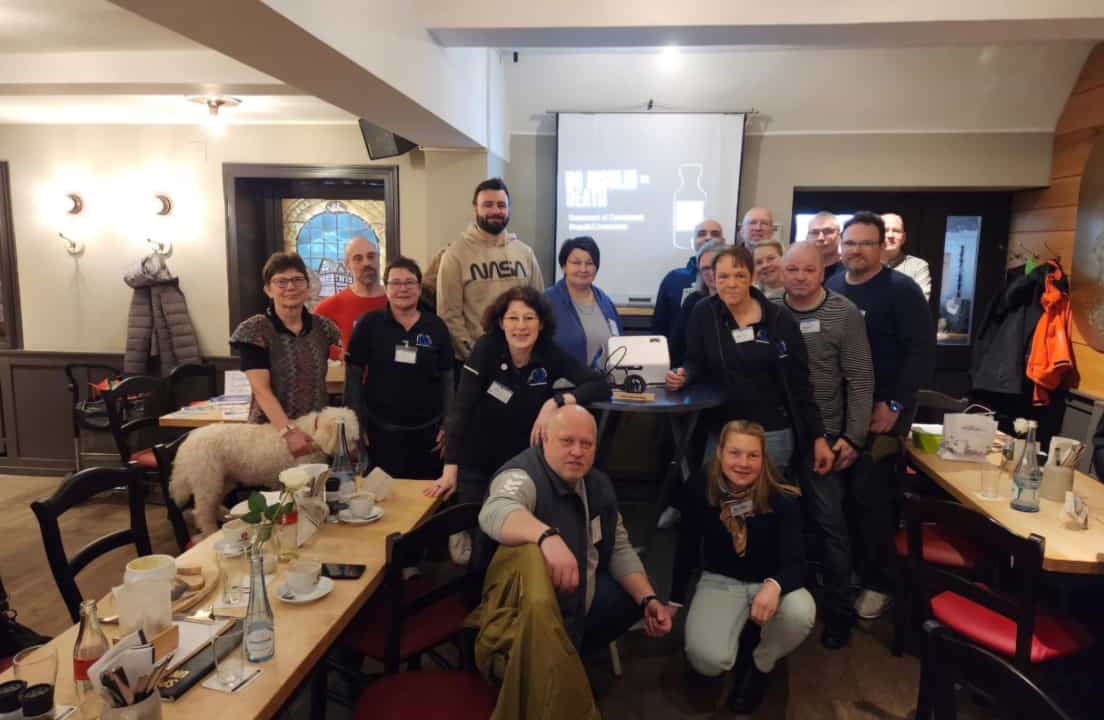
Motherhood and the Question of Screening
Caro is also a mother. Her daughter is now 28 and does not have diabetes. When her daughter was young, Caro did not know that screening for type 1 diabetes-related autoantibodies was an option.
Instead, she watched carefully for symptoms and sometimes checked her daughter's blood sugar when she was worried. Today, more families know about early screening, and treatments such as teplizumab can delay the development of type 1 diabetes in some people at high risk.
Caro sees both sides of this progress. Knowing early can give families time to prepare and, in some cases, may offer an opportunity to delay diagnosis. At the same time, knowing can bring fear and uncertainty, especially for parents who worry every day about what the future may hold.
She understands that knowledge can sometimes be difficult, but she believes families should have the information they need to make their own choices.
A Different Way of Living With Diabetes
After more than 40 years with type 1 diabetes, Caro has learned that living well with the condition is not only about following instructions. It is also about understanding where those instructions come from and whether they still make sense for your life.
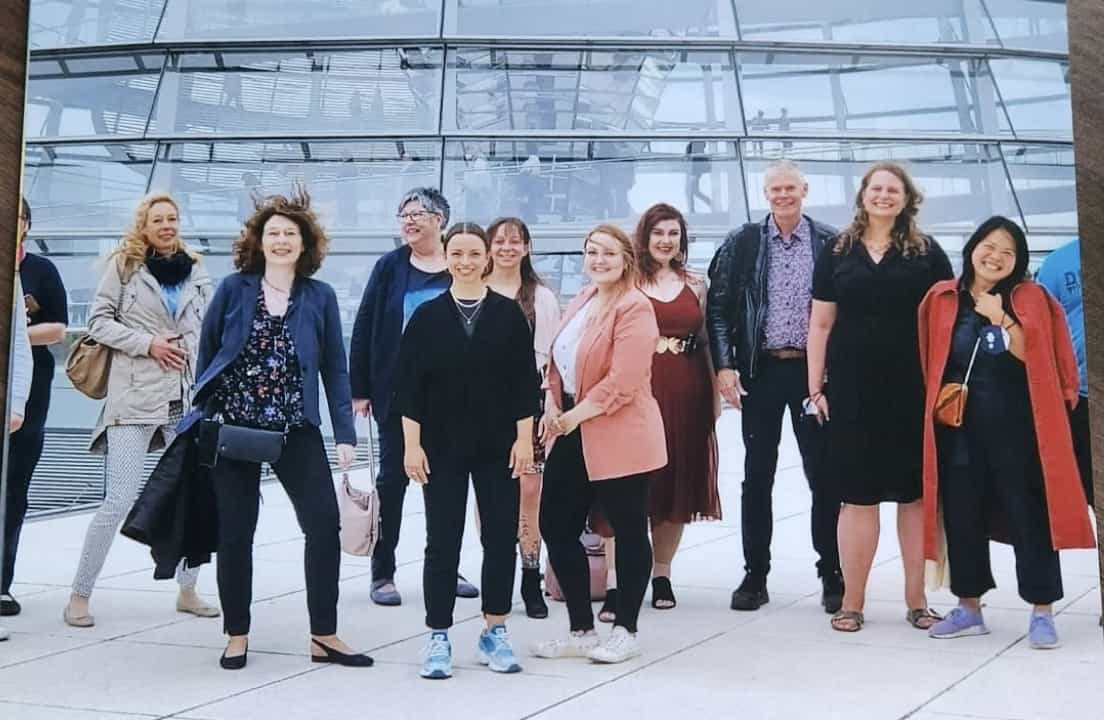
“You are with your diabetes 99.9 percent of the time,” she says. “Your doctors only see you for the other 0.1.”
That is why she continues to read, ask questions and look for information that can help her make better decisions. Caro knows that not every new treatment or technology will be right for everyone.
What matters to her is having the chance to understand the options and decide what works for her. After four decades, that may be the biggest lesson her diabetes has taught her: sometimes the most important thing is not finding a perfect way to live with diabetes, but making sure you know there is more than one way.


.webp)

.jpeg)

.webp)


















.jpg)






.jpg)




%20(1).jpg)



.jpg)
.jpg)
.jpg)
.jpg)
.jpg)
.jpg)
.jpg)
.jpg)
.jpg)
.jpg)
.jpg)
.jpg)
.jpg)
.jpg)
.jpg)

.jpg)
.jpg)
.jpg)
.jpg)
.jpg)

.jpg)

.jpg)
.jpg)

.jpg)

.jpg)
.jpg)


.jpg)
.jpg)


.webp)
.svg)