


T1D Guide
T1D Strong News
Personal Stories
Resources
T1D Misdiagnosis
T1D Early Detection
Research/Clinical Trials
Friends for Life Heals Adults with T1D Who Were Once Children With It
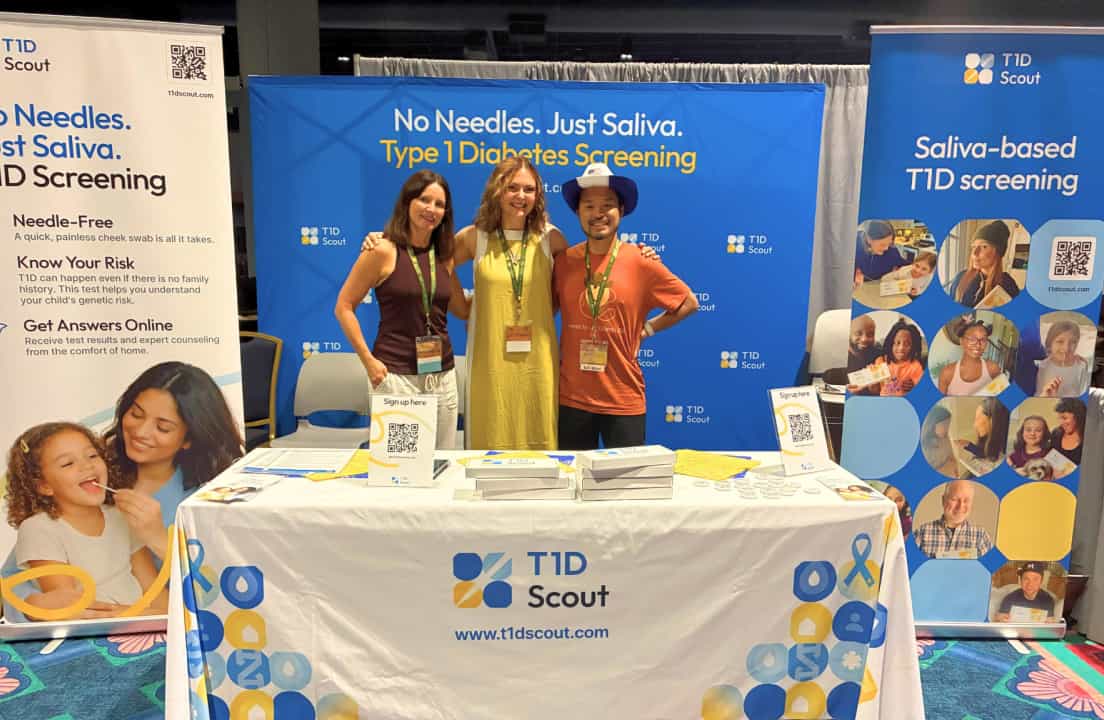
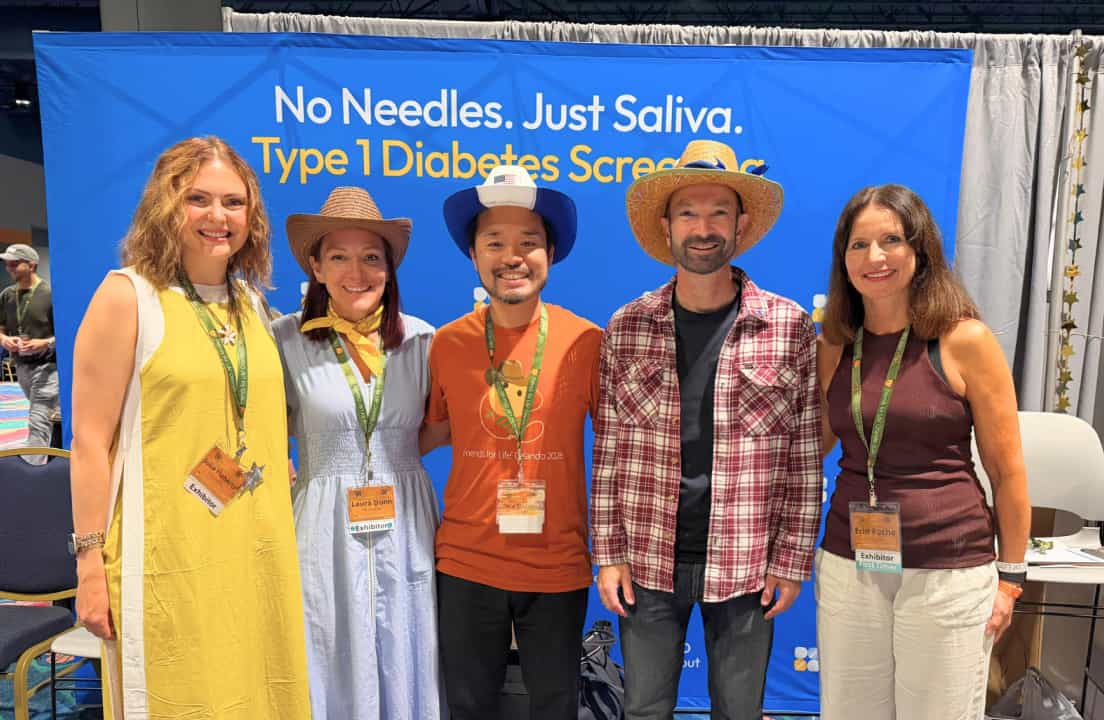
This July, I attended my first Friends for Life conference, hosted by Children with Diabetes, while representing T1D Scout. This first-of-its-kind saliva-based testing kit identifies your genetic risk of type 1 diabetes (T1D). It’s a sister company to Type 1 Strong, the website you’re reading now.
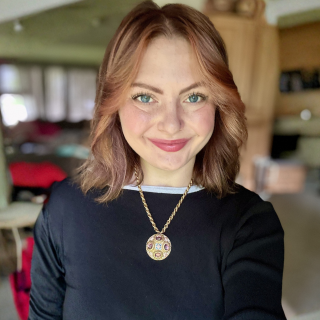
Growing up with Type 1 Diabetes: Childhood and Teen years
Growing up with type 1 diabetes, I thought I was the only person who had it. It sounds silly, but I didn’t grow up in the social media era, and I was a child, so even if I had, I probably wouldn’t have had access to online communities anyway. My parents emphasized the value of creative activities and encouraged us to go outside and play with friends. I loved that!
Having worked in the diabetes space over the past decade, I can confirm that many people I’ve met with T1D share the belief that they were the only ones living with it until they find community.
It wasn’t until I reached my early 20s that I really began saturating myself in the T1D community, and it started gingerly. I wasn’t sharing or writing about my experience living with it nearly as much as I do today. It felt like walking on eggshells at first. I had conversations with myself about how much I wanted to share and what I felt I was “allowed” to say, ask, or talk about.
Things I had only thought about in my head finally made sense to others once I found “my people.” It was wild—heartbreakingly pure.
It felt like therapy because I kept so much beneath the surface for years, afraid of being seen as a burden or “different” from the people around me. I didn’t want to acknowledge it for a long time. I didn’t want to be “the weird girl with the Wilford Brimley disease.” I was suffering from stigma and misconceptions I wasn’t even aware I was living with. (Don’t worry, those broke later, too. Now I advocate for breaking them.)
I went from resenting T1D, not wanting to share about it, and hesitantly opening the door to the community to wanting to be at the center of the room, shouting about it as loudly as possible to anyone and everyone who is open and willing to listen. (Thank you for being one of them.)
Today, everything I do revolves around it. While it can be exhausting at times, it’s also the most energizing and rewarding experience of my life. When I say I wouldn’t have it any other way, know that I mean it deeply.
What Can Happen Without the T1D Community in Childhood
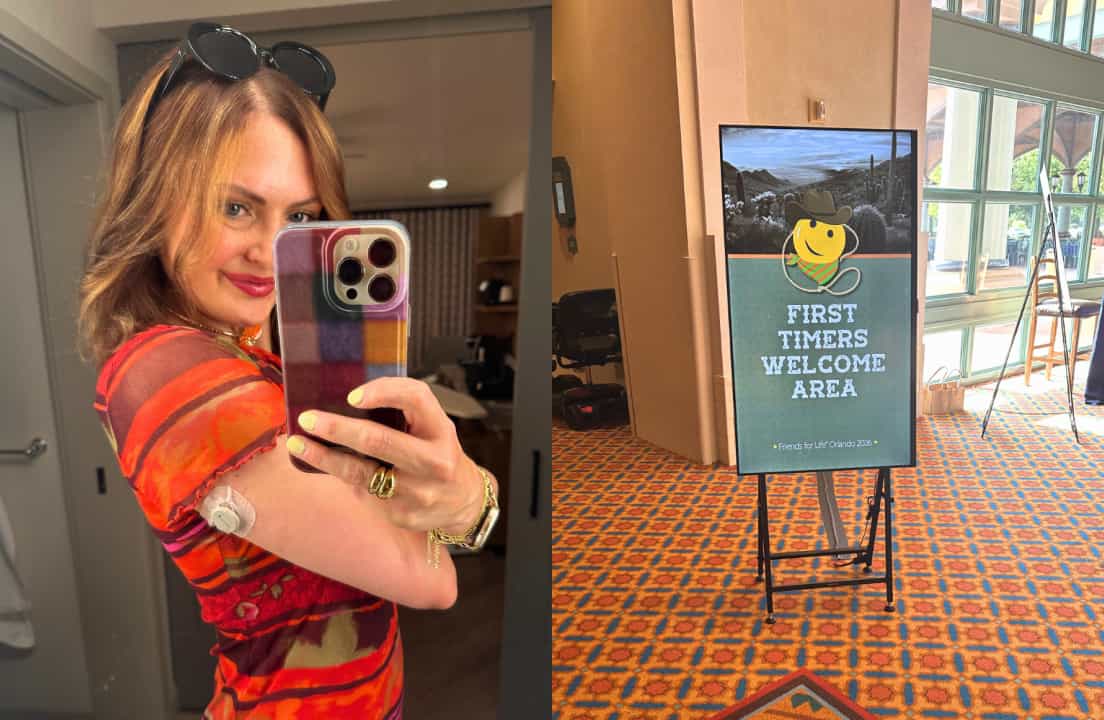
Because I’ve reached this place of acceptance, leaning in, and finding joy in life with T1D, Friends for Life (FFL) had a uniquely special meaning for me as an adult with T1D who was once a child with T1D.
When I was diagnosed at age 10, I didn’t know what my life would hold. My biggest question and concern was: “Will I be able to have Dairy Queen again?” I didn’t want to give up hot fudge sundaes or Dilly bars.
I remember my mom and the hospital nurses responding with: “I don’t know.” I was heartbroken.
These kinds of tidbits eventually led me to develop a toxic relationship with food and my body while navigating T1D as a teen. For several years after my diagnosis, I ate only apples for dessert because I was terrified that if I strayed from the foretold “diabetes diet,” awful things would happen to me.
It led me to lie about my blood sugars and to experience diabetes burnout—another stage of life with T1D that I didn’t have the words for until I found community later in life. People complimented my figure while I was in the sickest period of my life. That messes with your brain.
Friends for Life Flips the Narrative
But do you know what I saw at Friends for Life? Parents embracing a variety of foods for their children, including snacks with sugary or starchy carbs. Of course, these were balanced with fiber and low-carb options, too, and I was happy to see them included. They didn’t feel off-limits. It felt like the organization was saying: “You can manage this. You can enjoy these foods with T1D, too.”
Children with T1D need carbs. Carbs are literally energy—they’re not the enemy, despite how hard the “pizza bolus” can feel at times. In low blood sugar emergencies, we wouldn’t survive without sugar. Our brains need these nutrients to function. So, children with T1D shouldn’t fear sugar. They should feel empowered to manage their nutrition in balanced ways, not avoid the foods they love.
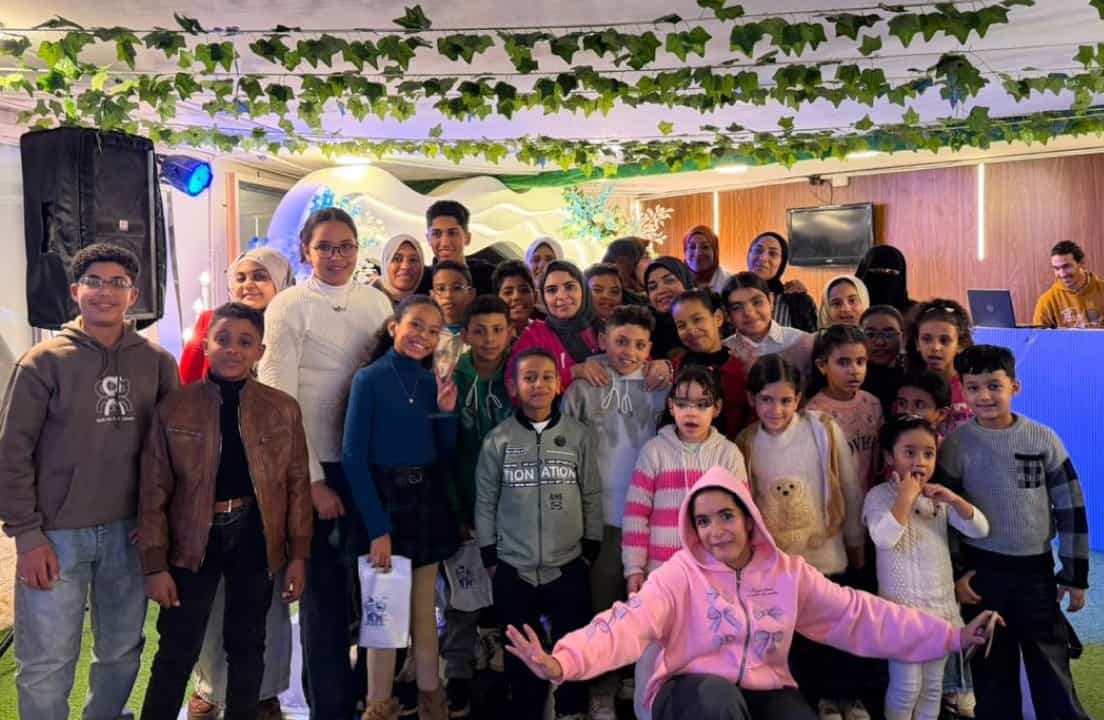
This might feel like a big “duh” to some, but to others, it’s new information. Everyone at Friends for Life is at a different stage of their diagnosis journey—I met kiddos who were newly diagnosed within the past few months and adults who have been living with it for three decades or more. We all learn these things at different points in our T1D journeys.
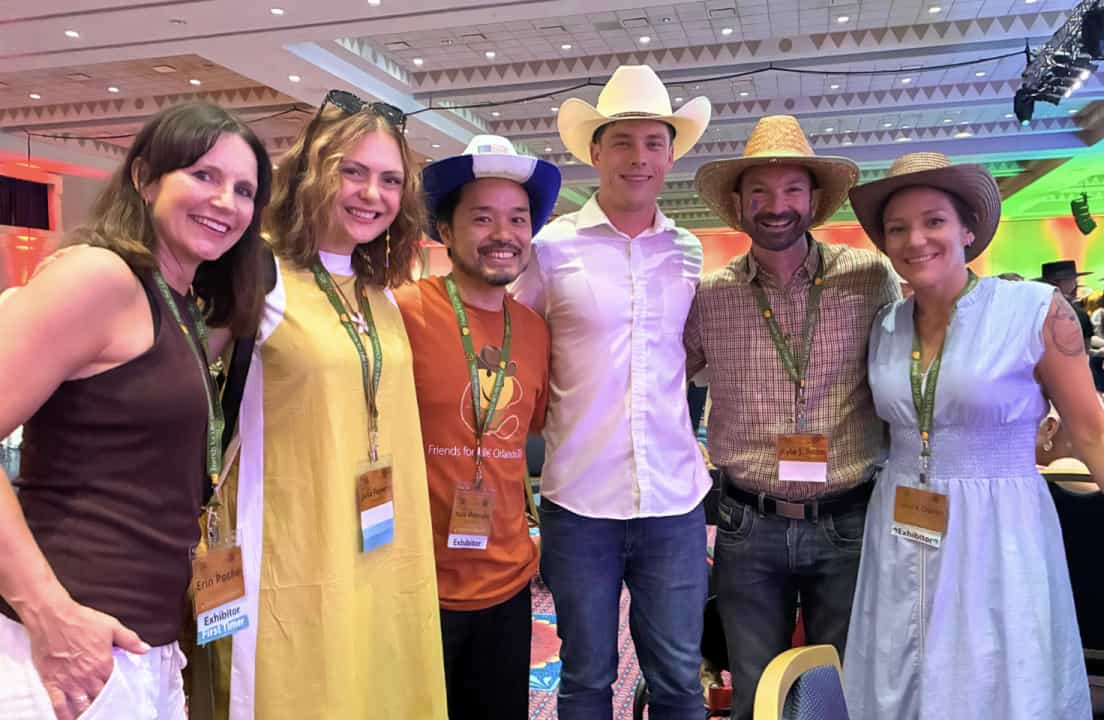
That matters not just because we’re saying it as a community, but because we’re leading by example at events like this and in how we present ourselves online or in person as adults. What feels simple means the world when it comes to including people with “different abilities”—in this case, adults and kiddos with T1D.
The only reason I eventually broke out of my own groove in this feeling was that I dared to try one day. I figured: “If I can figure out how to dose insulin for an apple, I can figure out how to dose insulin for cake.”
But I shouldn’t have had to figure it out on my own after years of feeling fed up with my “diabetes diet.” It wasn’t anyone’s fault. My family just wasn’t given the resources and didn’t have access to the community the way I do today. We were doing what we thought was right.
Some people still don’t have access. But I think it’s getting better. I saw it firsthand.
T1D Community Creates Safe Spaces
That’s what I witnessed at Friends for Life—children and adults finding true joy in life with T1D where barriers and stigma were not a part of the mood or conversation. It was “normal” childhood. T1D is an abnormal experience that you don’t even realize is so, the longer you live with it, but it is incredibly weird to experience. It is not normal, but we have to find our own normal with it because none of us should live like victims. We all have to make the most of the hand we’re dealt in this life.
More so, Friends for Life was a safe space where, even if we weren’t talking about T1D all day, we found comfort in knowing we understood one another, in some way, shape, or form. Sometimes, you don’t need to talk about it to feel understood. All it takes is glancing at someone’s insulin pump or continuous glucose monitor (CGM) and giving a happy nod in their direction, as if to say, “I see you.”
There’s no better feeling than not having to explain the way your body works, how you move, or how you think in a room full of strangers. Those strangers feel like family in ways you can’t imagine if you don’t live with a chronic illness.
It’s hard not to carry that expectation when you live in a body with a chronic illness, because so many activities have to be modified, planned in advance, or limited. No, T1D doesn’t have to keep you from doing the things you love, but it often requires adjustments. We can acknowledge the heaviness it brings without letting it stop us. It’s not black and white. We’re often operating in the gray.
The world isn’t made for people with T1D. But Friends for Life provides a piece of the world that is.
That’s a truly beautiful thing. Community is everything.
Screening Saves Lives
Being part of the T1D Scout team made this event even more special. While screening for the signs of T1D can feel scary, what’s even scarier is not knowing. When you have the information, you can do something with it. When you don’t, you can’t act. Yes, you’ll know it’s potentially coming your way, but depending on the stage at which you catch it, you may be able to access groundbreaking clinical trials or drugs that help delay the onset of T1D, such as Tzield.
Personally, I wish a screening test kit like this had been available when I was younger. Starting the process without a blood sample means T1D Scout isn’t testing you for anything you don’t need to be tested for upfront. They’re assessing genetic risk first—then, if you are identified as higher risk through your initial result, they will recommend a blood sample because that’s where screening standards still lie.
If you are marked as low risk, they will recommend a follow-up swab in a few years because low risk doesn’t mean no risk. Just as high risk doesn’t necessarily mean you will inevitably develop T1D. That’s why it’s helpful to know your body’s status so you can make informed choices about your personal health. You regain control with testing!
Awareness is powerful. It truly saves lives. I believe that. And my biggest encouragement to parents is that it could prevent a diagnosis made in a life-threatening state of diabetic ketoacidosis (DKA). No parent wants that for their child. It is traumatic and very hard on the body.
So while screening may not change your destination with T1D, it can absolutely change the journey.
T1D is something no one wants for themselves or a loved one, but once you’re in the community, being a part of this circle is a pretty special place to be.
It’s Not Corny; it’s Cathartic
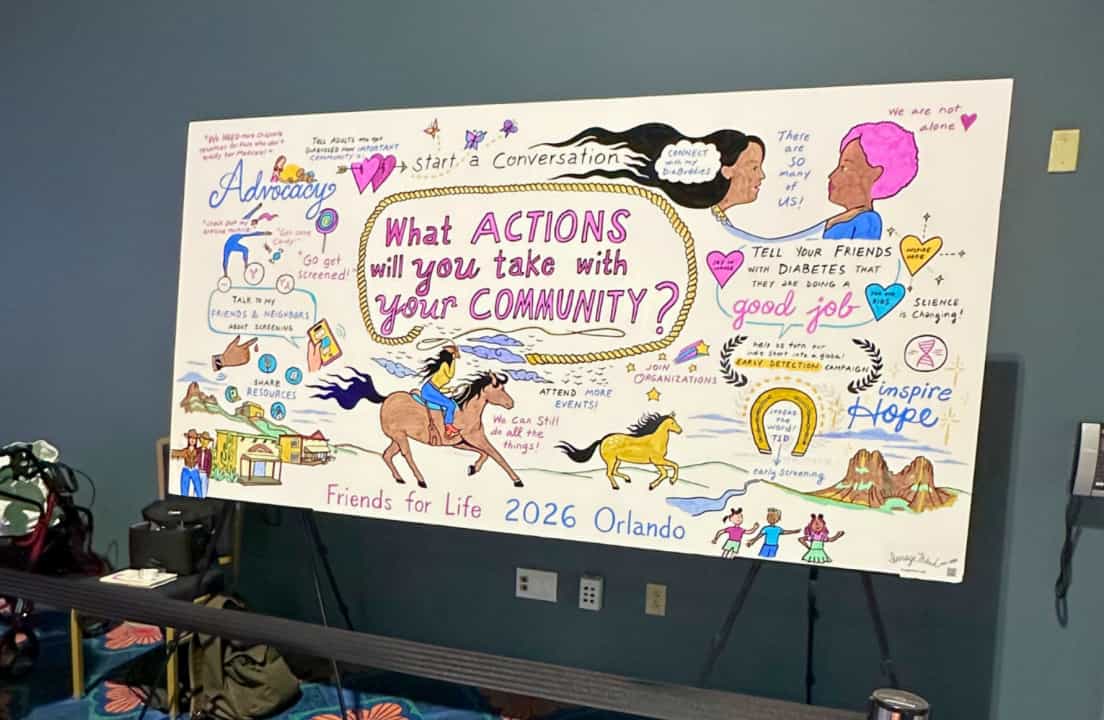
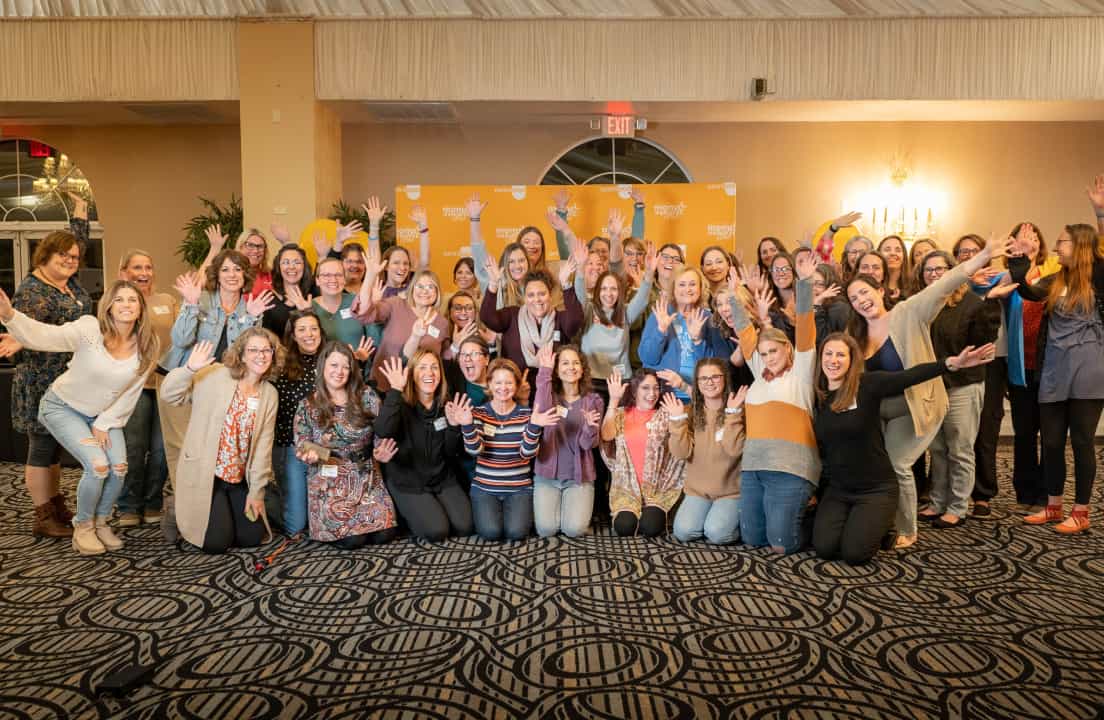
And while it may sound corny that a weekend-long conference could provide such healing for an adult living with T1D who was once a child with it, it may simply be that you haven’t experienced the magic for yourself yet. If that speaks to you, I urge you not only to consider big, national conferences like this but also to get involved more locally, whether with a local Breakthrough T1D chapter, a local You’re Just My Type event, or another meetup. Maybe even start something of your own!
While friends and family without diabetes can provide healing and comfort in one way, which is important in different ways, other people living with it can provide it in ways you can’t quite put into words. It’s just that feeling. And much like in romantic relationships or choosing the right piece of clothing for a big moment, there are truly no words.
Just a gut reaction that confirms your beliefs that you’re not alone in this battle.
While there are still gaps to fill in connection and community within the diabetes space, we must celebrate all of the wins and how far we’ve come in growing our communications and interactions with one another. That’s progress, and I look forward to seeing even more T1D adult-friendly meetups and events emerge in the future as the space grows. Things are looking bright!
Maybe that’s the Florida sunshine. Maybe that’s the folks who run Friends for Life. Mostly, it’s adults with T1D who were once little ones with it, along with parents, providers, and others who care, all working to create a better world for everyone living with it. We all have a uniquely valuable contribution to make to this space.
Friends for Life offers a gentle nod to all these groups, not just an “I see you” but “I want to celebrate you. I want you to feel celebrated.”


.webp)

.webp)

.jpeg)














.jpg)






.jpg)



%20(1).jpg)



.jpg)
.jpg)
.jpg)
.jpg)
.jpg)
.jpg)
.jpg)
.jpg)
.jpg)
.jpg)
.jpg)
.jpg)
.jpg)
.jpg)
.jpg)

.jpg)
.jpg)
.jpg)
.jpg)
.jpg)

.jpg)
.jpg)
.jpg)
.jpg)

.jpg)
.jpg)


.jpg)
.jpg)


.jpg)
.jpg)
.jpg)


.webp)
.svg)