


T1D Guide
T1D Strong News
Personal Stories
Resources
T1D Misdiagnosis
T1D Early Detection
Research/Clinical Trials
Sana’s Gene-Edited Islet Cells Are Still Producing Insulin After 14 Months—Without Immunosuppression
One person with type 1 diabetes received gene-edited islet cells from a deceased donor. More than one year later, those cells are still alive, still producing insulin, and still appear to be hiding successfully from the immune system.
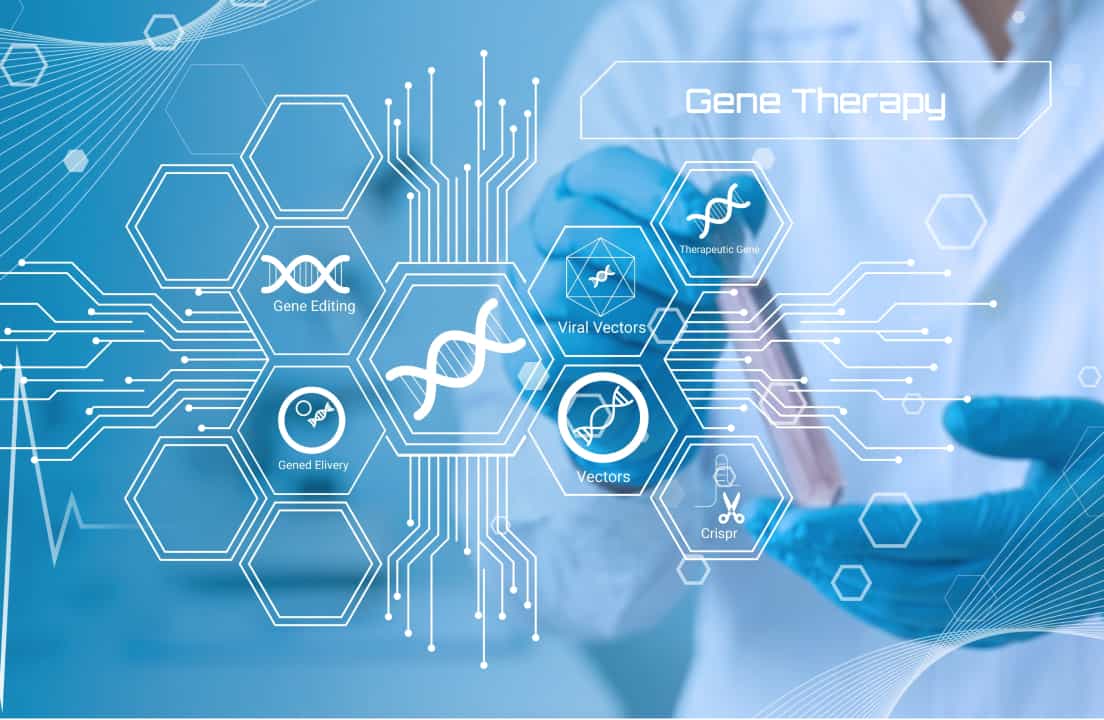

Sana Biotechnology just shared an encouraging update on its experimental islet cell transplant technology for type 1 diabetes (T1D).
Fourteen months after receiving a small dose of gene-edited pancreatic islet cells, one person with longstanding type 1 diabetes is still producing detectable C-peptide. C-peptide is an enzyme that indicates insulin production. In this case, it’s also a clear sign that the transplanted cells are alive and producing insulin.
Even more importantly, the participant did not take any immunosuppressive drugs.
The results were published in a peer-reviewed letter to the editor in The New England Journal of Medicine and announced by Sana Biotechnology on July 13, 2026.
This is exciting. But it’s also very early research involving just one person, and the participant still needs insulin therapy.
Here’s what we know so far.
What Did Sana Actually Test?
The experimental treatment is called UP421.
Researchers took insulin-producing islet cells from a deceased organ donor and genetically modified them using Sana’s “hypoimmune” technology.
The goal of this technology is to help the transplanted cells hide from two immune-system threats:
- The immune response that normally attacks cells transplanted from another person
- The autoimmune response responsible for destroying beta cells in type 1 diabetes
The cells were surgically transplanted into a muscle in the participant’s forearm.
This was an investigator-sponsored study led by clinicians at Uppsala University Hospital in Sweden. The cells were modified at Oslo University Hospital using Sana’s technology. (This means, for clarity, it’s not in a clinical trial regulated by the FDA. This also means they are not yet trying to get approval for this therapy. There’s a long way to go in studying this breakthrough science.)
.jpg)
Why Avoiding Immunosuppression Matters
We have known for decades that transplanted islet cells can produce insulin and even allow some people with type 1 diabetes to stop taking insulin.
In fact, 1,500 people with type 1 diabetes have received islet cell transplants since 1999, but only 25 percent of those people are still off daily insulin therapy. And that brings us to the big problem with traditional islet transplants using immunosuppression: keeping the transplanted cells alive.
Traditional islet cell transplants require lifelong immunosuppressive medication to prevent the immune system from rejecting the cells. These drugs can increase the risk of serious infections, kidney damage, certain cancers, and other complications.
For most people with type 1 diabetes, those risks simply aren’t worth it.
Eledon’s immunosuppression therapy, tegoprubart, has been making headlines lately for successfully getting 12 people with T1D off insulin — but it is still immunosuppression. (The study also included other immunosuppression drugs.)
How long will it last, and what are the other potential long-term side effects? It’s too soon to tell.
This is why Sana’s results matter. If gene-edited cells can survive without immunosuppression, it could help solve one of the biggest obstacles in cell-replacement research.
The Cells are Still Producing Insulin After 14 Months
Before the transplant, the participant had no detectable C-peptide while fasting or after a “mixed-meal tolerance test.” This test involves observing the participant’s glucose levels after eating a large meal containing fat, protein, and carbohydrates.
C-peptide is released alongside insulin. In someone with type 1 diabetes, detecting C-peptide after a transplant tells researchers that the transplanted cells are producing insulin.
At 14 months, researchers found:
- Detectable C-peptide while fasting
- Increased C-peptide after eating
- No safety concerns related to the transplant procedure
- No signs of the immune system attempting to attack the cells
- Visible islet cells at the transplant site through PET and MRI imaging
The increase in C-peptide after a meal is especially significant. It suggests the cells aren’t just surviving—they are actually responding to food by producing more insulin.
They did notice that C-peptide levels had declined around months nine and 12, but then increased again by month 14.
According to Sana, the participant had also achieved tighter blood sugar management between months 12 and 14. They’ve speculated that there might have been less stress on the cells during that time, which then helped the cells eventually start producing more insulin.
.jpg)
Did the Participant Stop Taking Insulin?
Nope. But that’s not surprising.
This study used a deliberately small dose of donor islet cells, only 5% of what they actually intend to transplant for the full effect. Remember, these types of breakthrough trials are extremely expensive, which means they start small.
This study was designed to answer early questions about safety, the cells’ ability to hide from the immune system, long-term survival, and insulin production. They weren’t trying to determine if the cells could produce enough insulin for the participant to stop taking daily insulin. At least, not yet.
The study was not expected to improve the participant’s blood sugar levels or reduce their daily insulin needs. They start small: let’s see if the cells even survive before we spend millions of dollars developing and transplanting enough cells to produce a “cure.”
That distinction matters.
This research does not show that Sana has cured someone with type 1 diabetes. It shows that a small number of gene-edited islet cells remained alive and functional for at least 14 months without immunosuppressive medication.
That is very exciting, but it is just one step in a much longer process.
These Were Donor Islet Cells. Not Lab-Grown Cells
Another important detail is where these cells came from.
UP421 uses primary islet cells taken from a deceased organ donor. Donor pancreases are in extremely limited supply, which means this particular treatment could never reach the millions of people living with type 1 diabetes.
Sana’s long-term plan is to produce a treatment called SC451, which would use pancreatic islet cells grown from stem cells in a laboratory. That means they could eventually produce as many cells as needed.
SC451 is designed to combine two important features:
- They can be mass-produced in a lab
- Using Sana’s hypoimmune technology so the cells survive without immunosuppression
However, SC451 has not been tested in humans yet.
Sana says it plans to submit an Investigational New Drug application to the FDA and could begin a Phase 1/2 clinical trial in late 2026. The FDA must review and accept that application before the company can begin testing SC451 in people.
Why One Successful Participant isn’t Enough
One person can tell researchers whether an idea is possible. One person cannot tell us whether it will work safely and consistently across the broader T1D population.

Researchers still need to determine:
- Whether the results can be repeated in more people
- Whether the cells can survive for many years…not just 14 months
- Whether a full dose can produce enough insulin to replace daily insulin therapy
- Whether the same results can be achieved with lab-grown islet cells
- Whether the gene modifications create any unexpected long-term risks
- Whether the cells remain protected during illnesses, inflammation, pregnancy, or other immune-system challenges
- Whether the therapy can be manufactured safely and consistently at a large scale
Another concern in any transplanted cell therapy is “unwanted cell growth,” which is a fancy way of saying, “We don’t want these cells to evolve and become cancerous.”
This is Exciting…But It Isn’t a Cure Yet
As someone who has lived with type 1 diabetes for decades, I understand why news like this gets our attention.
Cells from another person survived inside someone with type 1 diabetes for more than a year. They did it without traditional immunosuppressive drugs. They can still see those cells at the transplant site. And the cells produce insulin in response to food!
That is genuinely exciting. But let’s also keep in mind:
- This participant received donor cells, not Sana’s manufactured stem cell-derived product.
- The study included only one person.
- The dose was too small to replace insulin therapy.
- The company’s intended treatment with SC451 has not entered human trials yet.
The next major test will be whether Sana can repeat this success with SC451: a larger dose of lab-grown islet cells that produce enough insulin to eliminate the participant’s daily insulin therapy while successfully hiding from the immune system.
If Sana can do all of that safely, consistently, and for many years, this technology could become an important path toward a functional cure for type 1 diabetes.
For now, the most accurate takeaway is simple: Sana has not cured type 1 diabetes, but it has shown that gene-edited cells can survive and produce insulin in one person for at least 14 months without any immunosuppression.
It’s remarkable! We can celebrate this breakthrough while knowing there is more to do!


.webp)
.webp)






.jpeg)




.jpg)








.jpg)



%20(1).jpg)

.jpg)
.jpg)
.jpg)
.jpg)
.jpg)
.jpg)
.jpg)
.jpg)
.jpg)

.jpg)
.jpg)
.jpg)
.jpg)
.jpg)
.jpg)
.jpg)

.jpg)
.jpg)
.jpg)
.jpg)

.jpg)
.jpg)
.jpg)

.jpg)
.jpg)


.jpg)

.jpg)
.jpg)
.jpg)
.jpg)
.jpg)
.jpg)

.jpg)
.jpg)
.jpg)


.jpg)


.jpg)


.webp)
.svg)