


T1D Guide
T1D Strong News
Personal Stories
Resources
T1D Misdiagnosis
T1D Early Detection
Research/Clinical Trials
From a Diabetic Coma to Capitol Hill: Why the SCREEN for T1D Act Matters to Me
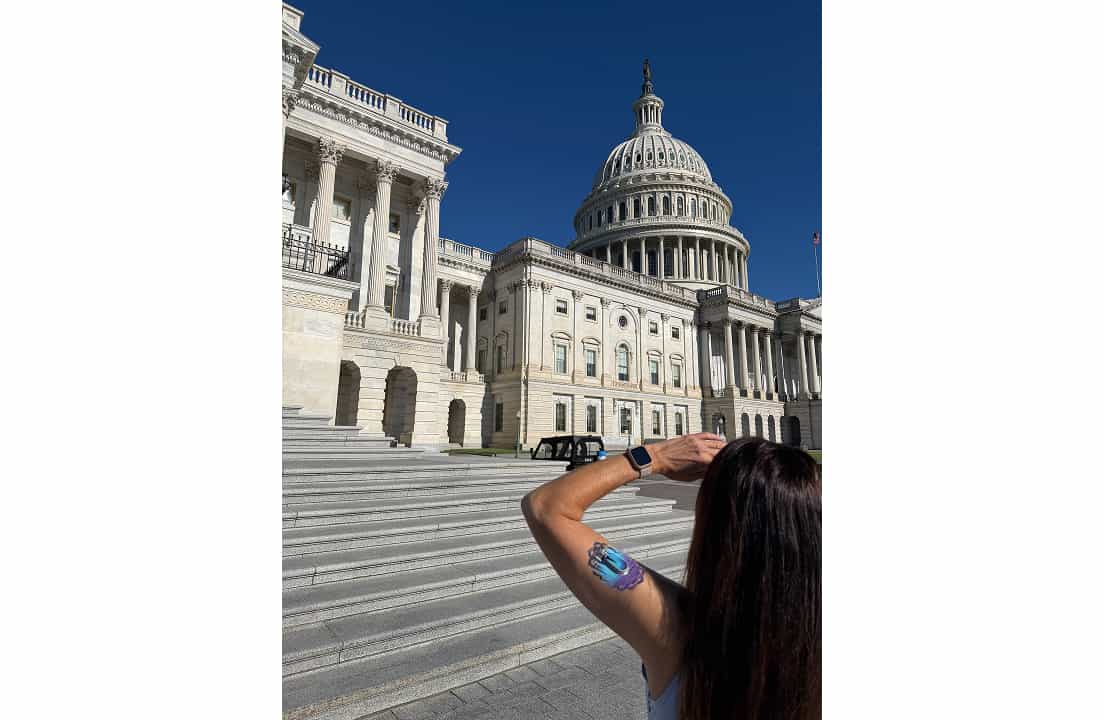
When I was diagnosed with type 1 diabetes (T1D) in 1981, there was no screening, no public education and little understanding that the disease develops long before symptoms appear. More than 45 years later, I traveled to Capitol Hill to advocate for the SCREEN for T1D Act as growing national efforts—including new Centers for Disease Control and Prevention (CDC) resources on type 1 diabetes screening, staging and early detection—mark a turning point in how the disease is recognized and identified before symptoms become severe.
.jpeg)
My Diagnosis Began With a Medical Emergency
At first, everyone thought I had the flu. I became thirstier every day, yet no amount of water seemed to help. I lost weight rapidly. My energy disappeared. I became weaker and more dehydrated.
Like many families at the time, we had heard of diabetes. We just didn't know there were different types.
When I was diagnosed, it was called juvenile diabetes. No one explained that it was an autoimmune disease. There were no conversations about autoantibodies, staging or screening because those concepts had not yet become part of routine care or public awareness.
By the time I arrived at the hospital, I was critically ill.
I was in severe diabetic ketoacidosis (DKA) and had fallen into a diabetic coma. My body was shutting down because it no longer had the insulin it needed to survive.
I spent weeks in the hospital recovering.
Looking back, I still remember how terrifying it was to be a child surrounded by doctors, nurses, IVs, needles and endless pokes after nearly dying from a condition I had never even heard of.
That memory stayed with me as I walked the halls of Capitol Hill this summer.
I wanted lawmakers to remember my story because it illustrates what can happen when the disease goes unrecognized. Behind every piece of legislation are real people, real families and lives that can be changed through earlier awareness, screening and diagnosis.
No child, adult or family should have to learn about T1D for the first time during a medical emergency if today's knowledge can help change that.
Why This Year's Advocacy Felt Different
For the past several years, I have advocated at the congressional level on behalf of people living with diabetes.
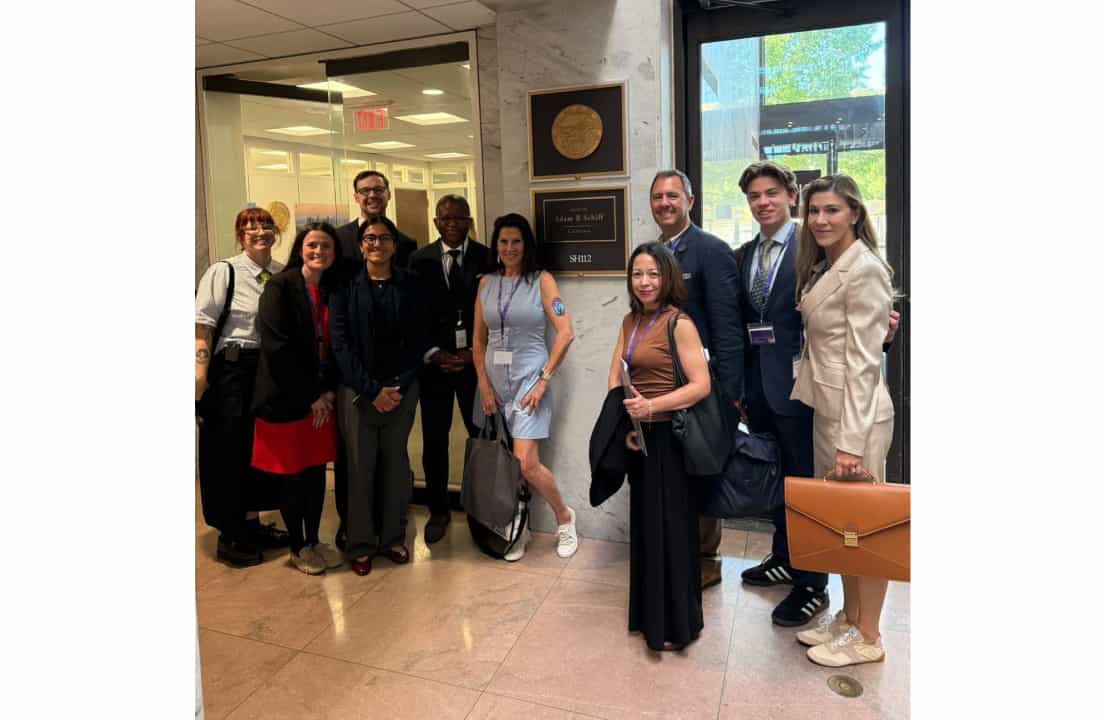
Many of the bills we discuss focus on improving life after diagnosis for people already living with diabetes.
The SCREEN for T1D Act felt different.
Instead of focusing only on improving life after diagnosis, we were advocating for education, early detection and identifying the disease before people become critically ill.
As someone whose diagnosis came during a medical crisis, I couldn't help but wonder how different my own experience might have been if today's knowledge had existed more than four decades ago.
I wasn't simply asking lawmakers to support another piece of legislation.
The SCREEN for T1D Act allowed me to explain how screening can now identify people at increased risk before symptoms appear.
Preparing for Capitol Hill
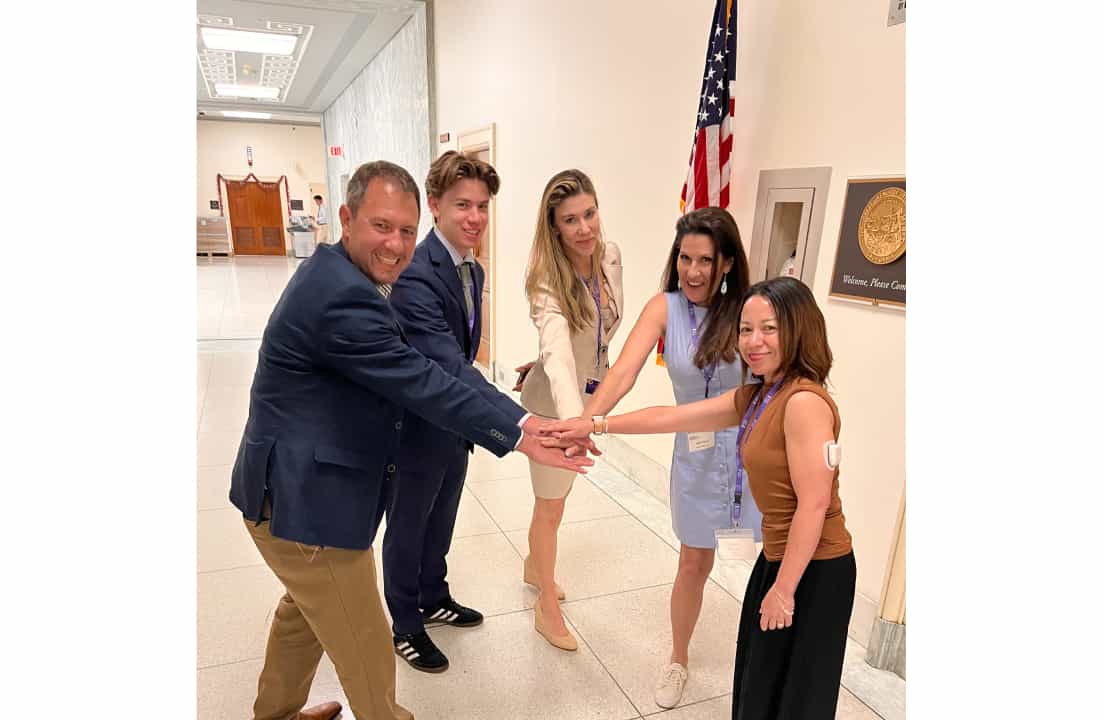
This year's Hill Day was organized by the Diabetes Patient Advocacy Coalition (DPAC), bringing together nearly 100 volunteer advocates from across the country to meet with members of Congress and their staff.
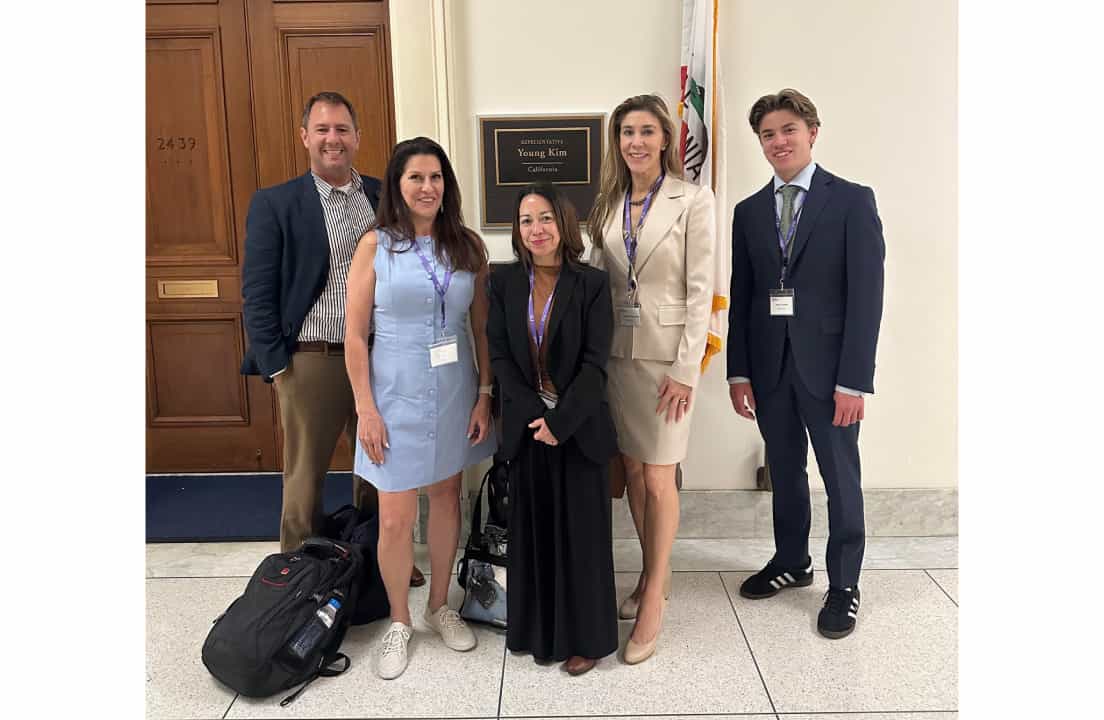
Based on my advocacy experience, I was selected to serve as team captain for the California delegation.
Our team included two physicians, one of whom developed T1D as an adult, and three of us who were diagnosed as children after developing DKA. Despite our different experiences, we shared one goal: helping lawmakers understand how policy decisions affect people living with diabetes—and three of us understood firsthand how frightening it is when that journey begins with a medical emergency.
Three members of our team were participating in congressional advocacy for the first time. Watching them find their voices and confidently share their lived experiences was one of the highlights of the trip. They made a real impact and reminded me that you don't have to be an experienced advocate to make a difference.
Before we stepped inside a congressional office, we spent a full day preparing. We reviewed the legislation, refined our talking points and practiced sharing our stories to make the most of the limited time we would have with each office.
The following morning began before sunrise. Breakfast started at 6 a.m.—3 a.m. California time—before we boarded buses to Capitol Hill for a full day of meetings.
Our Hill Day took place on the same day the President was visiting Capitol Hill. The visit affected the congressional schedule, creating long gaps between meetings and extending an already full day.
Even so, every meeting remained an opportunity to advocate.
Every Conversation Was an Opportunity to Educate
Throughout the day, our team met with five congressional offices. Although we came prepared with leave-behind materials outlining the legislation and key facts, we knew our lived experiences would have the greatest impact.
Many of our conversations included explaining that type 1 diabetes is an autoimmune disease, that it can develop in both children and adults and that screening tools can identify people at increased risk before symptoms appear.
Scientific progress only changes lives when people know about it.
Education Begins Before Screening
When most people hear the word diabetes, they think of type 2 diabetes (T2D) because it affects the vast majority of people living with the condition. T1D represents a much smaller percentage, and public understanding has not always kept pace with scientific progress.
Without that awareness, people cannot benefit from screening if they do not know it exists.
Most people diagnosed with type 1 have no family history, making public education especially important.
Parents cannot ask about screening if they have never heard of it.
Adults may dismiss their symptoms because they do not realize it can develop later in life.
As research evolves, public education helps people recognize when it's time to seek further evaluation.
Children are more likely than adults to be diagnosed after developing DKA because it often progresses rapidly before it is recognized. Adults can also be diagnosed this way, making awareness and early detection important at every age.
What the SCREEN for T1D Act Would Do
As I sat in those congressional offices, I realized I wasn't asking lawmakers to support an abstract piece of legislation.
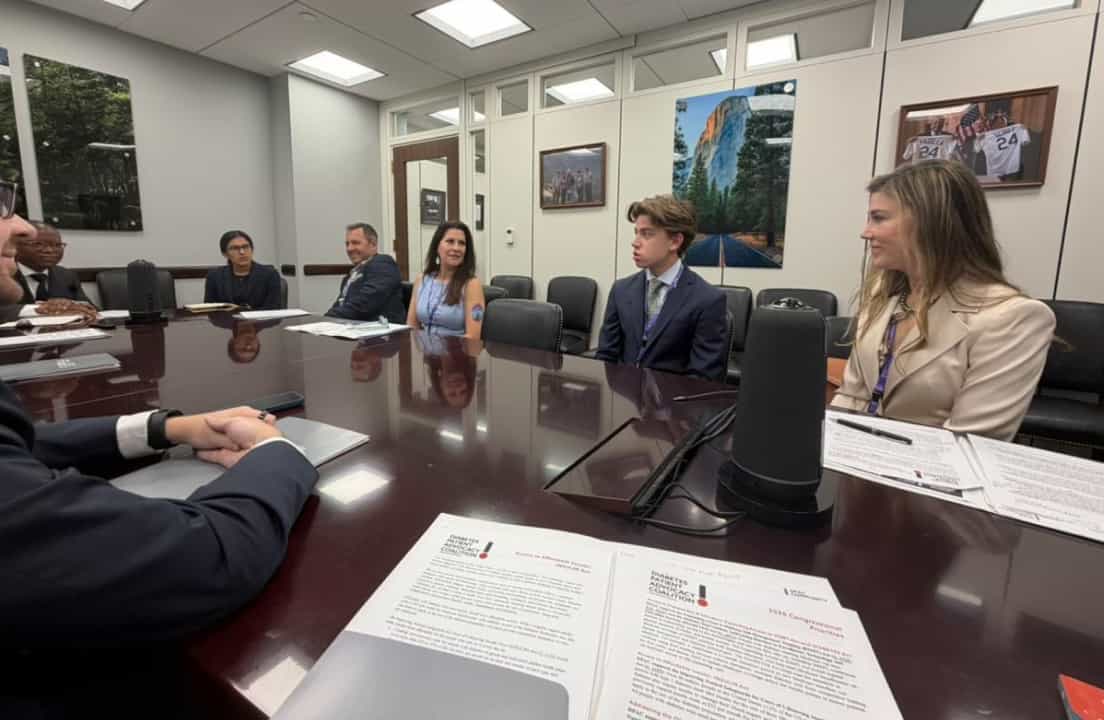
I was asking them to support a better future for children, adults and families who may one day face a diagnosis of T1D.
The Strengthening Collective Resources for Encouraging Education Needed for Type 1 Diabetes Act, better known as the SCREEN for T1D Act, is bipartisan legislation designed to increase public awareness, expand education and improve access to screening nationwide.
The bill would direct the CDC to develop a national education campaign highlighting the benefits of screening and identifying people at increased risk before symptoms appear.
It also would help ensure that evidence-based educational resources are shared with state and local health departments, schools, primary and pediatric care providers, and community health centers.
The legislation also includes grants to help expand access to screening in communities across the country.
Together, these efforts can help more people identify their risk earlier, avoid DKA and make informed decisions about their care.
We can now identify risks before symptoms begin. The next step is making sure families, health care professionals and communities know these tools are available.
A New Era in Type 1 Diabetes Screening
One of the most encouraging takeaways from our conversations on Capitol Hill was recognizing how much progress has been made in a relatively short time.
For decades, these tests simply weren’t available. Today, it is moving beyond research and into public health.
Over the past two years, Congress directed the Centers for Disease Control and Prevention (CDC) to develop educational resources about type 1 diabetes screening, early detection and staging.
The CDC includes dedicated information on its website explaining who should consider being screened, how the disease develops in stages and treatment options that may delay the onset of stage 3 T1D in eligible individuals.
That may sound like a small step, but it represents a significant milestone. One of the nation's leading public health agencies is now helping make this information more accessible to families, health care professionals and communities across the country.
Momentum continues beyond the CDC. This June, New York became the 21st state to require educational materials for families of school-aged children.
Other states are exploring legislation, task forces and awareness initiatives that support education and earlier diagnosis.
For the first time in my lifetime, I feel like we are moving from reacting after diagnosis to preparing before it.
Why Advocacy Still Matters
Progress like this does not happen overnight. It happens because researchers continue to ask questions, clinicians continue to advance care, organizations continue to educate the public, and advocates continue to share their lived experiences.
One of the things I appreciate most about DPAC is its belief that people living with diabetes belong in policy conversations. As we met with congressional offices, I realized I wasn't there simply to tell my own story.
I was there to help lawmakers understand what families experience—and why what we know today can help change that experience for future generations.
I cannot change the way I was diagnosed. But I can help raise awareness about what is possible today.
If sharing my story encourages one family to recognize the symptoms sooner, one adult to ask about screening or one policymaker to better understand why education matters, then every mile traveled to Washington, every meeting on Capitol Hill and every conversation about the SCREEN for T1D Act will have been worth it.


.webp)




.webp)




















.jpg)







.jpg)




%20(1).jpg)



.jpg)
.jpg)
.jpg)
.jpg)
.jpg)
.jpg)
.jpg)

.jpg)
.jpg)
.jpg)
.jpg)
.jpg)
.jpg)
.jpg)
.jpg)

.jpg)
.jpg)
.jpg)
.jpg)
.jpg)

.jpg)

.jpg)
.jpg)

.jpg)

.jpg)
.jpg)


.jpg)
.jpg)


.webp)
.svg)