


T1D Guide
T1D Strong News
Personal Stories
Resources
T1D Misdiagnosis
T1D Early Detection
Research/Clinical Trials
Seven Years With the Wrong Diabetes Diagnosis: “Have You Ever Been Tested?”
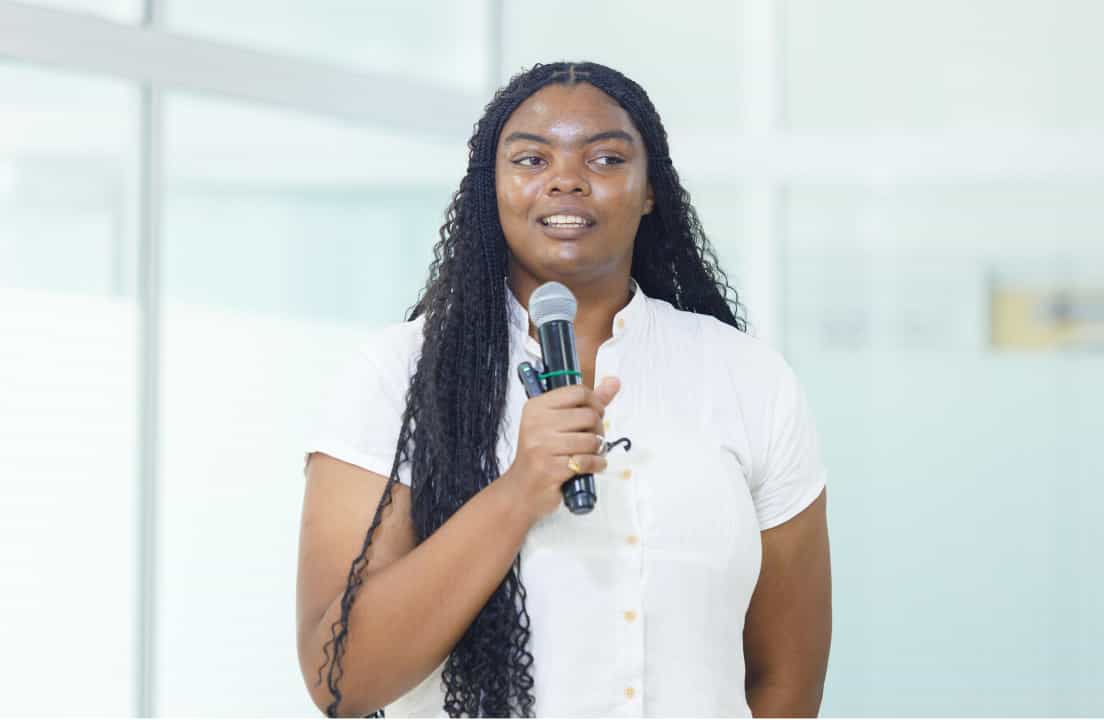
Lynda Jimenez lived with type 2 diabetes (T2D) for seven years. Then one question in an exam room changed the label on her chart and almost everything she believed about herself.


Jimenez, known online as @ladawithlynda, was a college freshman when she walked into her campus health center. She wasn't there about diabetes. She was there about something that kept coming back.
"I went to my college's health center because I was having recurrent yeast infections, and I gave them my family history, and my father has type 2 diabetes," she said. "I had been having these happen month after month, and so they finally asked, 'Let's test to see if you have diabetes.'"
One Test Led to One Label
The clinic ran an A1C test. That was it.
"They did an A1C test—that was it, only an A1C test," Jimenez said. "And my A1C came back at 11.1, and they said, 'Hey, you have type 2 diabetes.'"
It was a Friday. She was handed a blood glucose meter (BGM), told not to eat any carbs over the weekend and to see a doctor on Monday.
"I always emphasize that it was at my college's health center, so it wasn't the best care for diabetes," she said. "That's probably not something that they see very often."
"And I was like, 'What?' And my whole world kind of shifted in that moment. I remember I called my parents that night, and I remember bawling on the phone to them and apologizing, because I felt like this was something I did to myself. This was my fault."
Nobody had explained the mechanism of diabetes to Jimenez or told her that no type of diabetes is a person's fault.
.jpg)
"I really took that to heart, and I took that personally," she said. "I thought that I had failed."
Her anxiety about finger pricks was bad enough that her boyfriend—now husband—checked her blood sugar for her that weekend. She called her dad from the snack hall by her dorm, holding a cereal bar, trying to learn the rules of a disease nobody had taught her.
"I'm like, 'Can I buy this Special K bar? Special K is supposed to be healthy. Is that something I can eat now?'"
Seven Years with No Support From an Endocrinologist
Jimenez started metformin with a primary care provider, changed her diet and became more active.
"I managed decently well for about seven years on oral medication and lifestyle changes," she said.
In all that time, she never saw a specialist. That only changed when she and her husband decided they wanted children.
"In the seven years of living with type 2 diabetes, I never saw an endocrinologist," she said. "And the one thing I tell people now is go see an endo first thing. They specialize in diabetes."
Preparing for pregnancy meant lowering her A1C, and it meant insulin, because, according to the American Diabetes Association (ADA), insulin is the standard of care in pregnancy regardless of type. Being labeled type 2 narrowed her options to multiple daily injections (MDI). It also sent Jimenez deep into dietary restriction.
"Probably for seven or eight months, I ate only eggs and chicken and broccoli," she said.
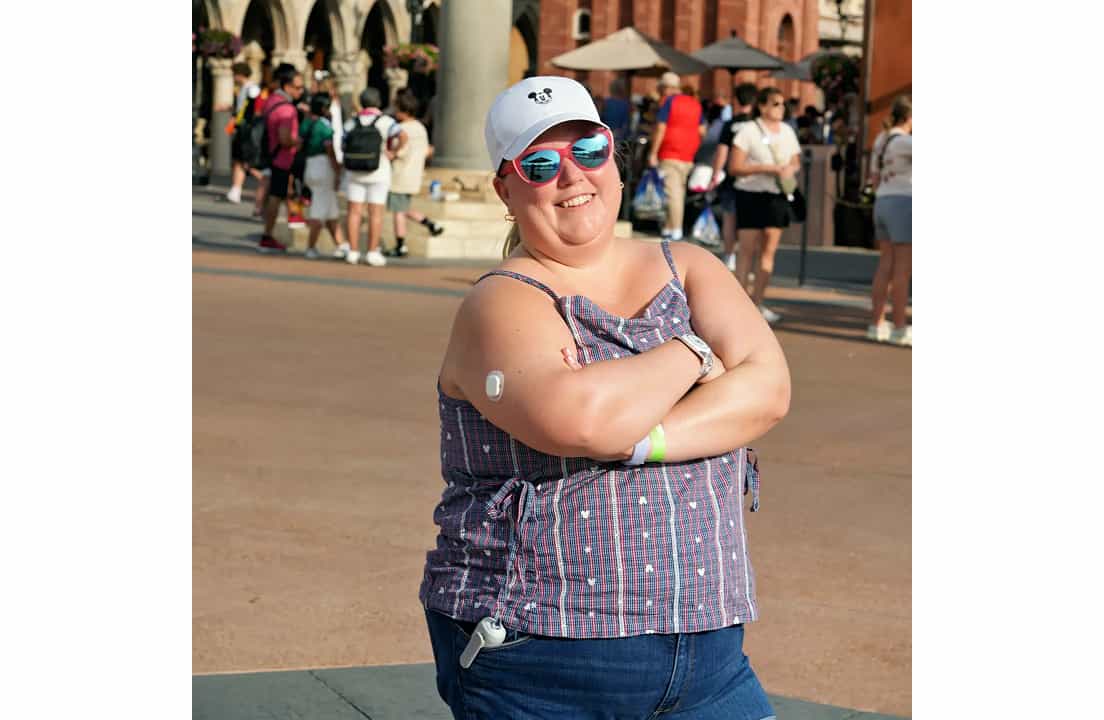
Her A1C came into range. She had a healthy pregnancy, which led to a healthy son. During this time, Jimenez was approved for her first continuous glucose monitor (CGM). But this restrictive diet wasn’t realistic or one she could reasonably uphold without yo-yoing.
The plan afterward was to come off insulin once her hormones settled.
"But that didn't happen,” she said.
One Question Changed Everything in Her Diabetes Journey
Her blood sugars would not cooperate. Her insulin needs kept climbing, and she felt resistant to treatment, unwilling to accept this new chapter in her diabetes journey.
"At the time I was very resistant to taking my insulin, because I was like, 'I shouldn't need this. It shouldn't be something that I need to do.'"
Roughly seven or eight months postpartum, she sat in her endocrinologist's office and described the struggle. Her doctor asked her something no one had asked in seven years.
"She asked me, 'Have you ever been tested to see what type of diabetes you have?'" Jimenez said. "And I didn't even know that was a thing. I didn't know that was possible."
They drew blood that day and tested her C-peptide and GAD antibody levels.
"And surprise, I didn't actually have type 2," she said. "I actually have a form of type 1 called latent autoimmune diabetes in adults, or LADA. And it's very commonly misdiagnosed as type 2 diabetes."
.jpg)
Research from the National Institutes of Health (NIH) estimates that somewhere between 2% and 12% of adults initially diagnosed with type 2 diabetes actually have LADA. This gap delays insulin and raises the risk of complications.
Why LADA Hides
LADA is autoimmune, like type 1 diabetes (T1D), but it moves slowly. That slow slide is exactly what makes it so easy to mislabel.
"With my type of diabetes, LADA, there is a prolonged honeymoon period. So that's why it is most commonly misdiagnosed as type 2," Jimenez said. "And so we think that my pregnancy was kind of the catalyst to kick me out of the honeymoon period."
"I was managing well in that honeymoon period, where your body might still be producing a tiny amount of insulin," she said. "But the stress of pregnancy on your body, in my case, we think that was kind of what pushed me over the edge."
Jimenez thinks her low-carbohydrate eating stretched that window out even further. "So I wasn't needing as much insulin, and so I think it extended it a little bit."
There is no standard length.
"It could be two years, it could be seven years, it could be six months," she said. "There's no confirmed amount of time."
Finding Relief in an Accurate Diagnosis While Also Carrying its Weight
The corrected diagnosis arrived as two feelings at once.
"At that time I received my new diagnosis, my world kind of shifted, because I was like, 'Oh my gosh, I didn't do this to myself,'" she said. And then: "Now I have to take insulin for the rest of my life."
She had also spent seven years believing there was an exit somewhere ahead of her.
"I had always thought, if I was good enough, if I did enough things, there could be this light at the end of the tunnel," she said. "And then being re-diagnosed with type 1, I was like, okay, well, there's not an end to this."
There was one more feeling, one she now argues with in herself.
"I remember feeling at the time I was re-diagnosed that, oh, now I actually belong to the diabetes community," she said. "I had felt kind of like an outsider when I was living with type 2."

Insulin is a Tool
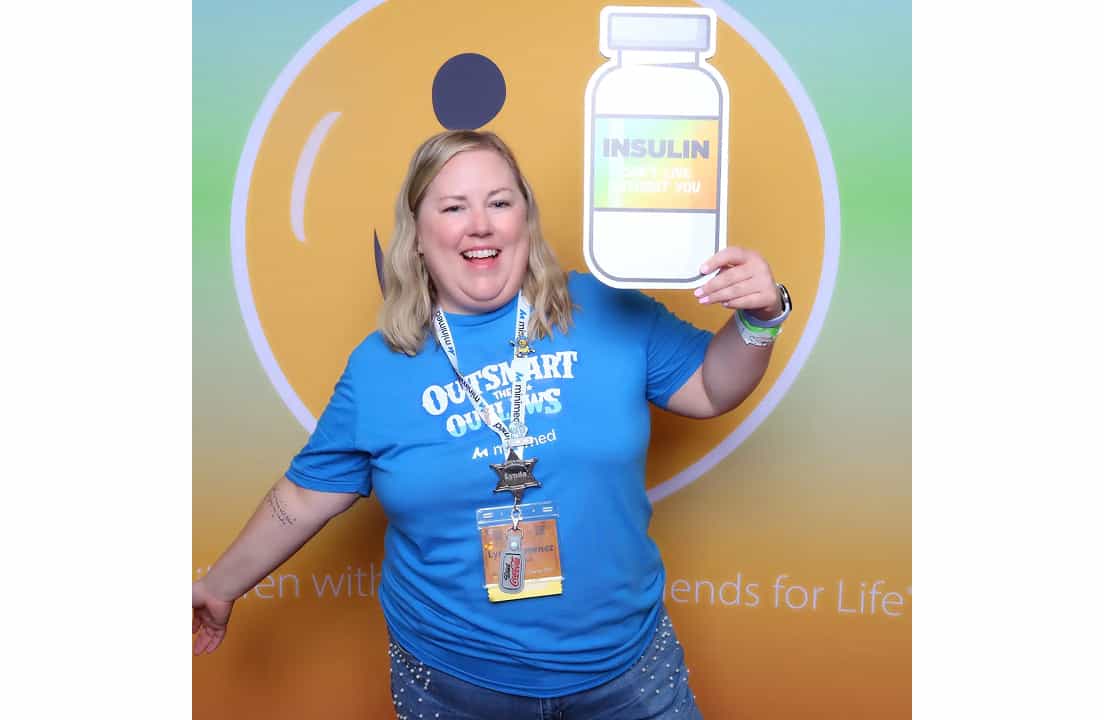
Her insulin resistance didn't lift the moment her chart changed. What moved her was a friend in the diabetes community: "Insulin is just a tool. It doesn't mean you failed. It's just a tool in your toolbox."
"When you're living with type 2 diabetes, a lot of the time insulin is seen as a last resort," Jimenez said. "And so it's like, 'Oh, you've gotten so bad that you need insulin.' And while that's not true, I really took it to heart to feel like insulin was a failure. And so I had to shift that mindset, because I literally depend on this now to live."
Insulin also handed back food she had cut out for a decade. She still remembers her first Panda Express in ten years.
"I was like, 'Oh my gosh, I can eat something that I like again. I just have to take insulin for it.' And it kind of opened up this world of possibilities."
Experiencing Diabetes Stigma From Multiple Perspectives
Living on both sides of the diagnosis line gave Jimenez a vantage point most advocates don't have. When people argue that T2D should be renamed because it isn't as hard as type 1, she has an answer ready.
"I've been on both sides. I can tell you they are both a struggle," she said. A rename wouldn't fix anything, either. "Stigma is going to stigma. We need to address the education and the lack of information."
The line she keeps coming back to came from volunteering with the ADA: “Nobody chooses diabetes.”
Doctors are Not Infallible
Jimenez believes her original misdiagnosis stemmed from more than an under-resourced campus clinic.
"I very much think that my diagnosis was weight discrimination. They saw my weight and assumed one thing," she said. "Doctors are not infallible. They can make mistakes."
She also names what kept her from questioning it for seven years.
"I know I very much had it when I was first diagnosed, but the white coat syndrome, where you just take their word and that's your marching orders," she said. "But we can ask questions. I always frame it as you're the customer in that situation. If you're not comfortable with what they're telling you, you can get a second opinion."
She's careful to add that second opinions are not equally available to everyone, and that the barriers in the American healthcare system are real.
Ask for Testing if you Feel Unsure
When someone messages Jimenez unsure whether their own diagnosis is right, she gives the same two pieces of advice: “see an endocrinologist, and ask for testing.”
"Testing is possible. I think testing should be standard with any new diabetes diagnosis," she said. "Regardless of history, regardless of body type, it should be standard. You're already drawing blood to pull an A1C, presumably. Let's add C-peptide, let's add antibody testing."
"If you're not sure about your diagnosis, there is the ability to get confirmation."
That advocacy is the part of this she would keep. When her husband asked whether she thought there would be a cure in her lifetime, her answer surprised even her.

"Realistically, I don't think there would be, but even if there was, I don't know if I'd want it," she said. "This is so ingrained in my identity now. Previously, I felt a lot of shame around my diagnosis, and now I'm really trying to make that a positive thing. And I don't know if I would give that up.”


.webp)
.jpeg)



.webp)















.jpg)




.jpg)





%20(1).jpg)




.jpg)
.jpg)
.jpg)

.jpg)
.jpg)

.jpg)
.jpg)
.jpg)
.jpg)
.jpg)
.jpg)

.jpg)
.jpg)
.jpg)
.jpg)
.jpg)

.jpg)

.jpg)
.jpg)



.jpg)

.jpg)
.jpg)


.jpg)
.jpg)

.jpg)
.jpg)
.jpg)
.jpg)
.jpg)

.jpg)
.jpg)
.jpg)
.jpg)
.jpg)
.jpg)
.jpg)
.jpg)
.jpg)
.jpg)


.webp)
.svg)