


T1D Guide
T1D Strong News
Personal Stories
Resources
T1D Misdiagnosis
T1D Early Detection
Research/Clinical Trials
Living With Type 1 Diabetes: How Erika Forsyth Turned Silence Into Purpose
Erika Forsyth was just 12 when undiagnosed type 1 diabetes (T1D) nearly claimed her life at summer camp. More than three decades later, the licensed marriage and family therapist helps children, adults and families navigate the emotional realities of the disease. Her journey shows how one frightening diagnosis became the foundation for helping others feel understood.

.jpeg)
The Night That Everything Changed
The girls in the cabin were getting ready for the final banquet of summer camp. Hair was curled. Dresses were pressed. Friends laughed as they hurried to get ready for one last evening.
Forsyth couldn't get out of bed.
For weeks, she had been unusually thirsty. She made repeated trips to the bathroom throughout the day and climbed down from the top bunk several times each night. During camp, she fainted twice and struggled to keep up with activities that normally came easily to an athletic girl who loved sports.
By the final evening, she drifted in and out of consciousness. Years later, she learned her body had been slipping toward a diabetic coma, with diabetic ketoacidosis (DKA), a life-threatening complication of T1D.
Then a camp counselor who lived with type 1 diabetes walked into the girls' cabin. He had heard about her symptoms and immediately recognized what was happening. He checked her blood sugar. The meter didn't display a number. It simply read "HIGH."
"I believe that this counselor saved my life," Forsyth said.
She was rushed by ambulance to a nearby hospital before being airlifted to Children's Hospital in Fresno, California. The following day, her parents walked into her hospital room after three weeks apart. They were stunned. Forsyth had lost about 30 pounds since her physical exam a month earlier.
Some memories from that hospital stay remain vivid. Learning to inject saline into an orange. Hearing she would most likely never have children. Leaving the hospital with a diagnosis that would become part of every stage of her life.
At 12, she understood she had type 1 diabetes. What she didn't yet understand was everything that came with it.
Learning to Live with Diabetes
Coming home, she remembered walking into a house filled with balloons, flowers and "get well" cards.
The kindness meant everything. The words did not.
"What did it mean to 'get well' from a chronic illness?" she recalled.
She was the first person in her family diagnosed with T1D, and beyond knowing the condition was permanent, she had little understanding of what the future would hold.
Like many families in 1990, hers followed the standard treatment plan of the era: regular and NPH insulin, scheduled meals and finger-stick checks several times a day.
Her parents repeated one message often: Diabetes would not interfere with her dreams.
Looking back, Forsyth credits that mindset with giving her confidence to keep playing competitive volleyball through high school and eventually at the collegiate level. But the same message that motivated her also came with a cost.
"While I am grateful for the positive messaging, encouragement and support to help me achieve my goals, it did not create a safe enough space to process or share any 'negative' emotions around diabetes," she said.
The Emotional Side of Type 1 Diabetes
Her physical routine became familiar. The emotional side stayed hidden.
Forsyth rarely talked about her diagnosis and worked hard to keep it from becoming part of her identity. "I experienced a lot of shame around diabetes, for both the numbers and the feelings I interpreted as 'bad' or 'wrong,'" she said.
One conversation from high school has stayed with her. A friend's parent asked what it was like to live with type 1 diabetes. Forsyth compared it to brushing her teeth. It was simply something she had to do every day. Even as she answered, she knew the comparison wasn't honest.
"Maybe some of the time it felt like brushing my teeth, but most of the time, it was way more complex," she said. "I also remember feeling like I did not have the energy or desire to try and explain what it actually was like to live with it." So she kept the answer short and moved on.
All the while, she was internally feeling like she was drowning and no one really knew why or how to help. Years later, she would recognize those feelings as grief. Not weakness. Not failure. Grief for the life she thought she would have.
Finding Community After a T1D Diagnosis
Forsyth's younger brother was diagnosed two years later. Although they didn't spend hours talking about the disease, sharing the diagnosis created an understanding few others could offer.
"My family continued to provide both physical and emotional support in the ways they knew how to give and in the ways I knew how to receive," she said.
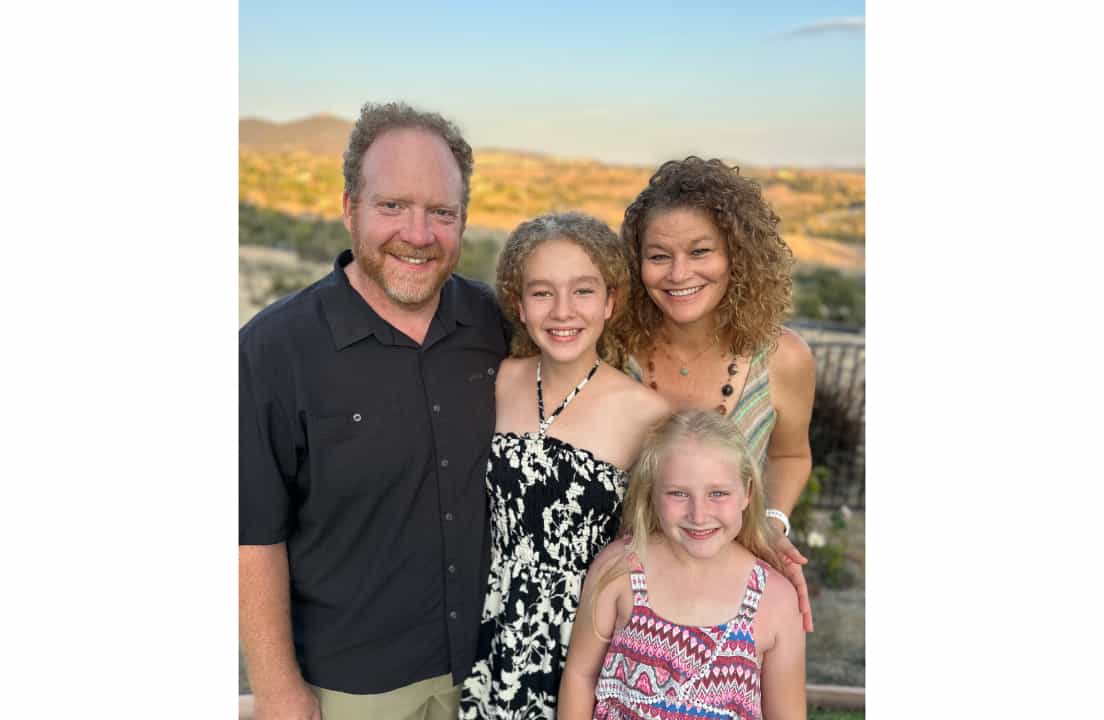
The biggest turning point came after college. While teaching in San Francisco, Forsyth noticed coworkers openly talking about therapy and prioritizing their mental health, and she decided to try it herself.
Around the same time, she began volunteering with the Juvenile Diabetes Research Foundation, now known as Breakthrough T1D. For the first time, she found herself surrounded by other adults living with type 1.
She remembers sitting at lunch while people casually checked blood sugars and gave insulin without embarrassment or apology. "Talk about a normalizing experience," she said. "We laughed and cried as we discussed the esoteric things that came with living with it for so many years."
Therapy helped her understand herself. Community showed her she wasn't alone. Neither erased her diabetes, but both changed her relationship with it.
Becoming the Therapist She Once Needed
For years, Forsyth believed she would spend her career in education. But she soon realized the most rewarding part of her day wasn't teaching lessons. It was listening to the students who sought her out during lunch, recess and after school, trusting her with their struggles and fears.
"I learned that junior high and high school students entrusted me with both their triumphs and their tribulations. I loved it."
Later, she joined a faith-based nonprofit mentoring high school and college students, and again found herself drawn to one-on-one conversations. This time, she wanted the training to help people beyond simply listening to their stories, which led her back to graduate school.
While earning her master's degree in marriage and family therapy, she focused on individuals and families facing serious medical conditions. During her internship at the Cancer Support Community, she helped people adjust not only to the disease itself, but also to its impact on marriages, parenting and everyday life.
"I learned that I loved supporting people who faced severe chronic illness while also continuing to navigate their relationships, work and other stressors in life. It is not easy to juggle, as we all know."
After graduate school, she worked as a school counselor while building a private therapy practice, counseling people through chronic illnesses such as cancer and Alzheimer's disease. Then one client quietly changed her career direction.
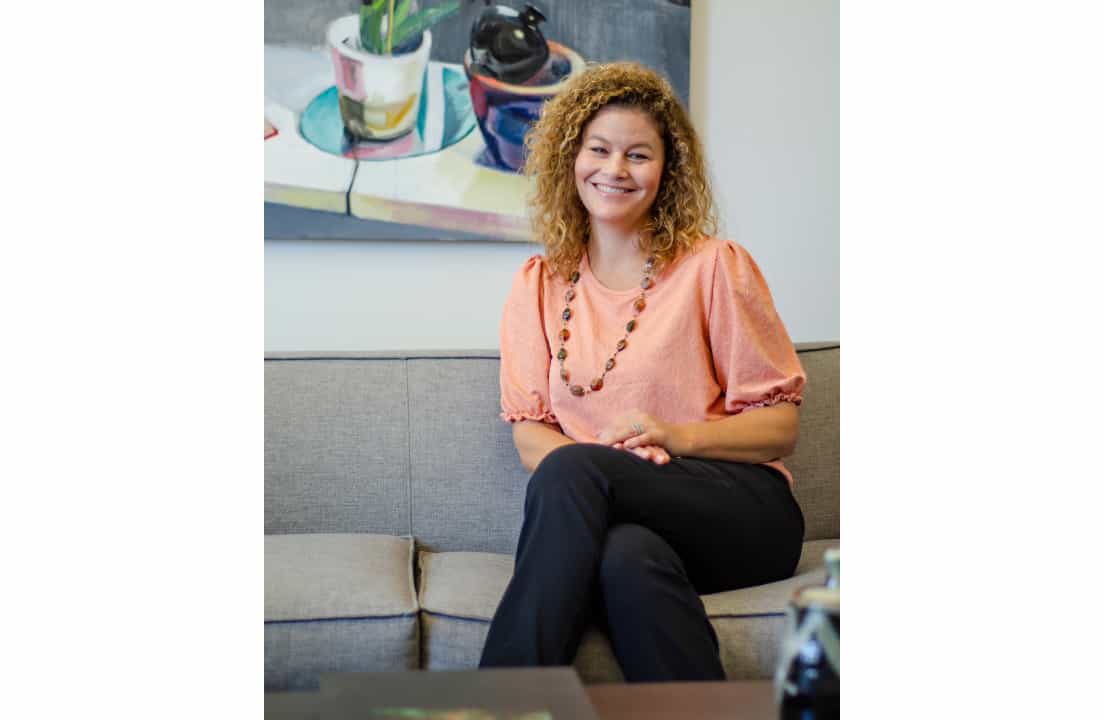
Today, she continues that work through her private marriage and family therapy practice, where she specializes in supporting people living with diabetes, chronic illness and other life challenges.
When Shared Experience Builds Trust
The client lived with type 1 diabetes. For the first time, Forsyth experienced what it was like to sit across from someone who already understood the daily realities of the disease. There was no need to explain blood sugar swings, the countless decisions surrounding insulin and food or the emotional toll of living with diabetes.
"I realized how impactful it was for that person to have a therapist with T1D. Without feeling the need to explain, inform or justify how hard living with it is, rapport was instantly established."
"Irony is not lost on me that I was diagnosed as a tween who did not want to talk about how I felt about it, and there I was validating a tween who also did not want to talk about it," she said.
That first session wasn’t memorable because the therapy was different. It was memorable because the conversation started in a different place. Instead of explaining diabetes, they talked about the burden it carried.
It was a full-circle moment. The frightened 12-year-old who had spent years hiding her own emotions had become someone who helped others feel safe enough to share theirs.
Forsyth does not project her own relationship with T1D onto the people she counsels. However, there is a shared experience and validation that quietly inhabits the therapeutic space.
She knew that mental health deserved the same attention as blood sugar, insulin doses and A1Cs.
What Her Clients Have Taught Her
After years of working with children, teens, adults and families, Forsyth has learned there is no single way to experience type 1 diabetes.
"I know what it's like to live with diabetes, but I don't know what it's like to live with their diabetes."
That perspective shapes every conversation she has. Rather than assuming she already understands someone's experience, she begins with curiosity.
Her clients have shown her that a 7-year-old's challenges are different from a teenager's desire for independence. Adults face their own realities of careers, relationships, pregnancy and aging. The diagnosis may be the same. Living with it rarely is.
Working with families has reinforced another lesson. Two people can look at the exact same blood sugar reading and react very differently. A parent may see their actions as a form of protection, while a child may feel constantly monitored.
Neither perspective is wrong.
She has also learned to look beyond what first appears on the surface.
"What some doctors may describe as 'noncompliance' may actually be exhaustion, distress or burnout," she said. "Sometimes what looks like anger is sadness or grief. Sometimes what looks like not caring is someone who cares so much that they're overwhelmed and unsure how to move forward."
Supporting individuals and families continues to shape the way she practices therapy, reinforcing the importance of meeting each person where they are.
Looking Beyond Blood Sugar
Forsyth describes her relationship with T1D today as mostly peaceful. That wasn't always the case. Looking back, she realizes she spent years grieving a body that no longer worked the way she expected.
She now describes those feelings through the lens of "body grief," a concept explored by therapist Jayne Mattingly in her book, This Is Body Grief. The idea gave her language for emotions she had carried since childhood without fully understanding them.
She still has difficult days. Stress, illness and unexpected blood sugar swings can quickly bring back feelings of frustration, but the difference now is how she responds.
"I have the lived experience, perspective and trust to know that if I take care of my body, my body can trust me to be kind to it and take care of it. Ultimately, sometimes we need both grace and insulin, not just one or the other."
That same philosophy guides her work. She believes people deserve more than conversations about A1Cs, insulin doses and basal rates. They also deserve space to talk about the emotional weight of managing a disease that never takes a day off.
Building Community Beyond the Office
Her commitment to emotional health extends well beyond her therapy practice.
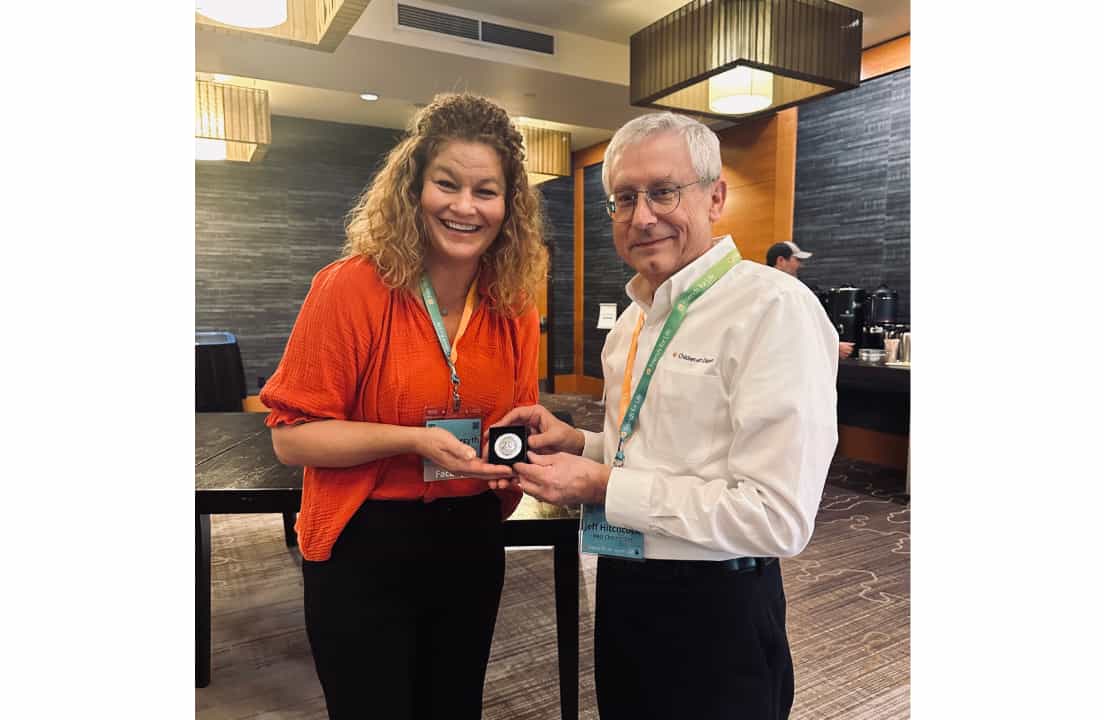
She volunteers with the American Diabetes Association's Mental Health Advisory Group and its Safe at School committee, serves on the board of You're Just My Type and regularly contributes to the Juicebox Podcast.
She also actively supports organizations including Grownup T1Ds, Touched by Type 1, Children With Diabetes, Type 1 in Midlife and TCOYD.
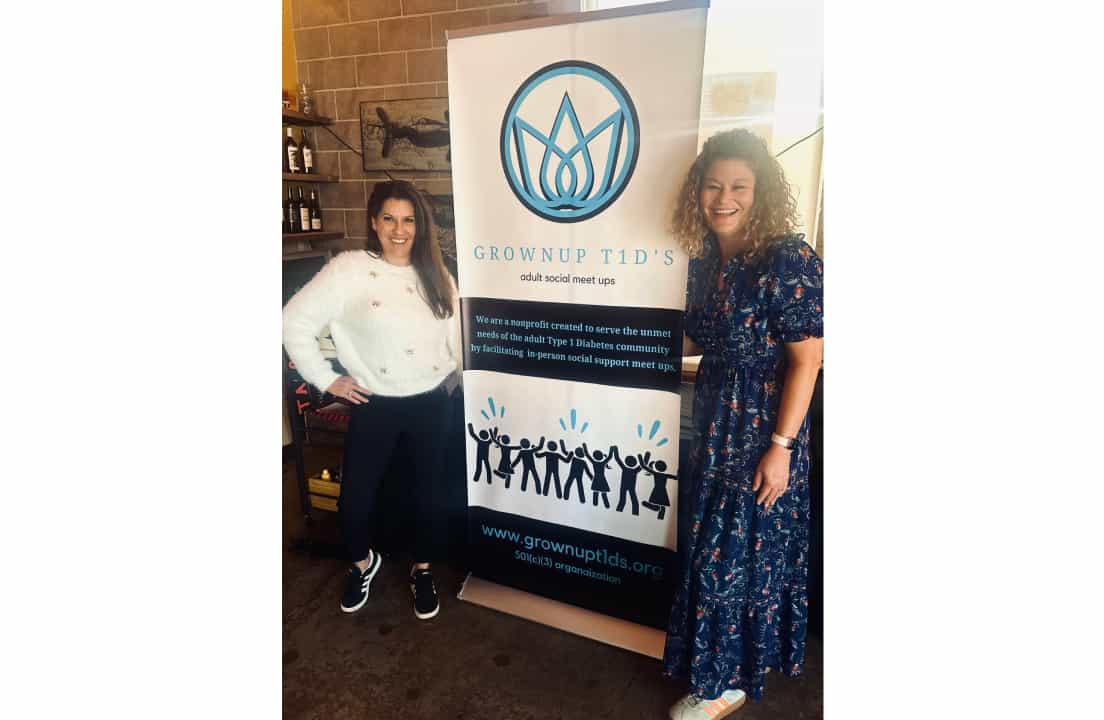
Whether she is counseling clients, advocating nationally or connecting with the diabetes community, her goal remains the same: helping people living with diabetes feel seen, understood and supported.
She also became the mother of two daughters, something she once believed might never be possible.
A Message to Her 12-Year-Old Self
Asked what she would say to the frightened 12-year-old girl in a hospital bed after summer camp, Forsyth doesn't talk about technology or medical advances.
She talks about grace.
"I would say to her that she's not alone. It's OK to have all of the feelings toward diabetes: sadness, anger, resentment, neutrality, hope, confidence, pride and gratitude.”
"Don't worry about what other people think when you need to take care of yourself, whether that's treating a low, checking your blood sugar, giving an injection or crying. Be kind and compassionate to yourself.”
"Even if it feels scary, try going to diabetes camp. And there is no such thing as a bad diabetic!"


.webp)
.webp)














.jpg)



%20(1).jpg)



.jpg)
.jpg)
.jpg)
.jpg)
.jpg)
.jpg)
.jpg)
.jpg)
.jpg)
.jpg)
.jpg)

.jpg)
.jpg)
.jpg)
.jpg)
.jpg)

.jpg)

.jpg)
.jpg)

.jpg)

.jpg)
.jpg)

.jpg)
.jpg)

.jpg)
.jpg)
.jpg)
.jpg)
.jpg)

.jpg)
.jpg)
.jpg)
.jpg)
.jpg)
.jpg)

.jpg)
.jpg)

.jpg)
.jpg)
.jpg)

.jpg)
.jpg)


.webp)
.svg)