


T1D Guide
T1D Strong News
Personal Stories
Resources
T1D Misdiagnosis
T1D Early Detection
Research/Clinical Trials
Why Correct Diagnosis Matters: One Family’s Unfolding Type 1 Diabetes Story
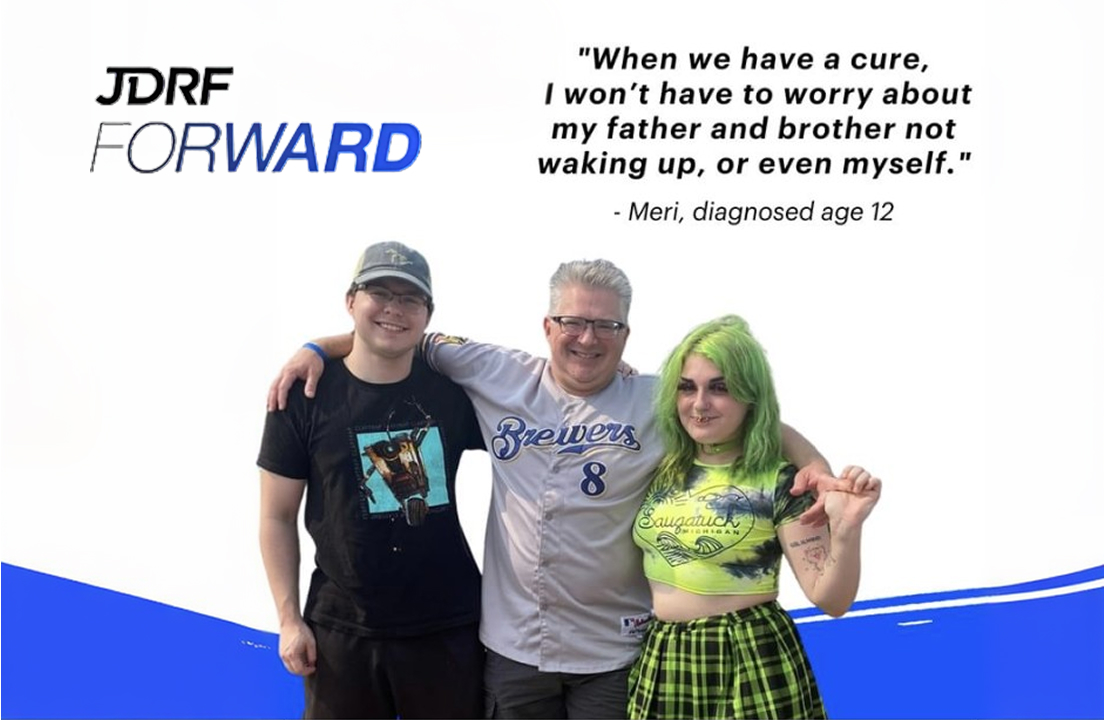
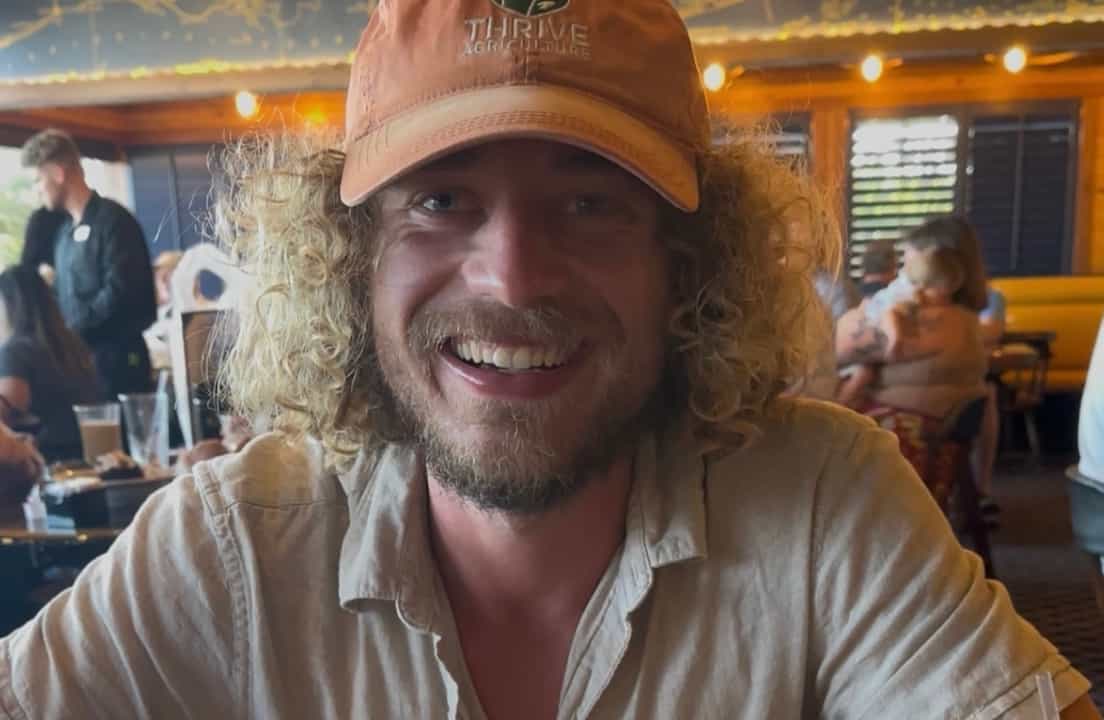
Type 1 diabetes (T1D) is largely underdiagnosed, with research indicating nearly 40% of adults with T1D are initially misclassified as having type 2 diabetes (T2D). Fortunately for Brian Blommaert, it only lasted a few months, while others may go for years. Receiving the correct diagnosis helped him to spot the symptoms in his two children who developed T1D within four months of one another.
.webp)
A new study from the United Kingdom found that one-third of individuals who develop type 1 diabetes (T1D) after age 30 are misdiagnosed and treated for type 2 diabetes—Brian Blommaert was 36 years old.
The Diabetes Overlap: Why Type 1 and Type 2 are Still Confused
In physicians’ defense, the symptoms of T1D look very similar to T2D; adults with type 2 have high blood glucose levels, increased thirst, frequent urination and extreme fatigue. Doctors often assume adults with high blood sugar automatically have type 2, and some adults develop a form of type 1 called latent autoimmune diabetes in adults (LADA), where insulin stops slowly; combined with a lack of early testing, specifically the autoantibody or C-peptide blood tests—type 1 can often go undetected.
But the treatment is very different. Type 2 diabetes patients are prescribed pills and a new diet and exercise plan, which just doesn’t work with type 1 diabetes.
The U.S. Endocrinologist Shortfall
What’s more, booking an appointment with an endocrinologist isn’t as easy as one might think. Due to a national doctor shortage, mounting patient demand, and complicated insurance regulations, patients sometimes wait months for appointments. In the United States, patients face an endocrinologist desert, where nearly 70% of U.S. counties lack specialists.
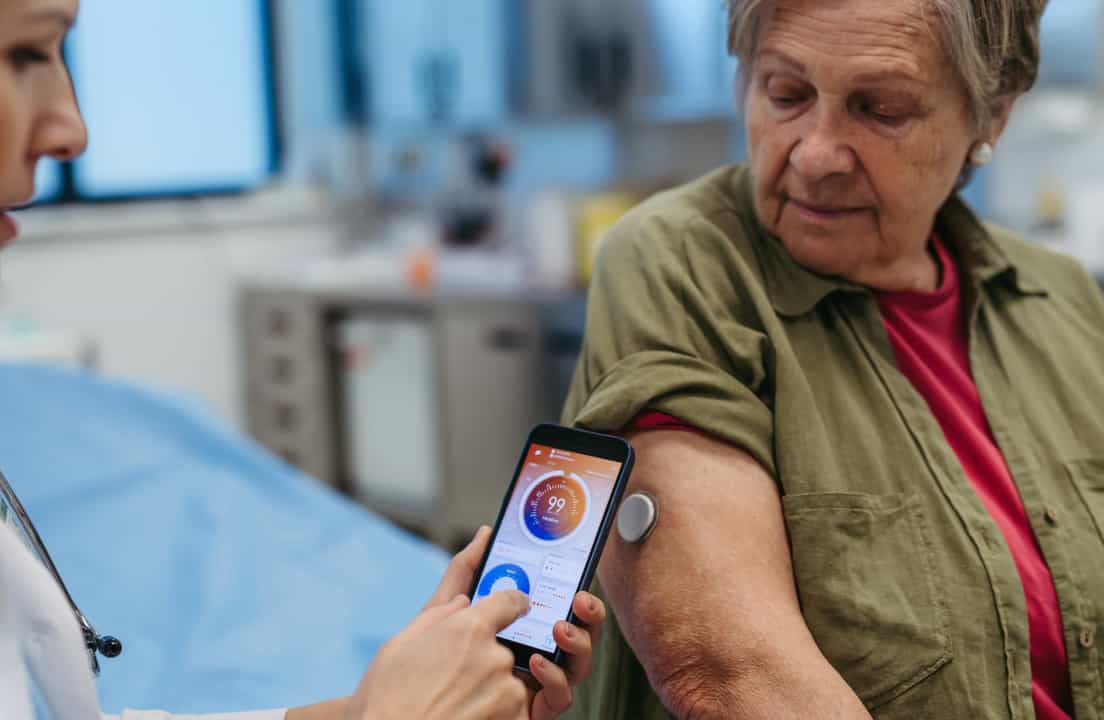
“It took six to eight weeks before I could get in to see an endo, but I do remember being frustrated,” said Blommaert. “I was doing everything I was supposed to do, taking metformin, cutting carbs, but my numbers just kept reading HIGH, which meant I was over 500-600,” Brian said his A1c was 14.7, which, at the time, he didn’t realize what it meant. “I looked it up and thought, it’s not even on the charts!”
Fortunately, his doctor requested an autoantibody test, the GAD65, to confirm type 1 diabetes. Only then was he treated with insulin therapy.
Two More Type 1 Diagnoses Four Months Apart
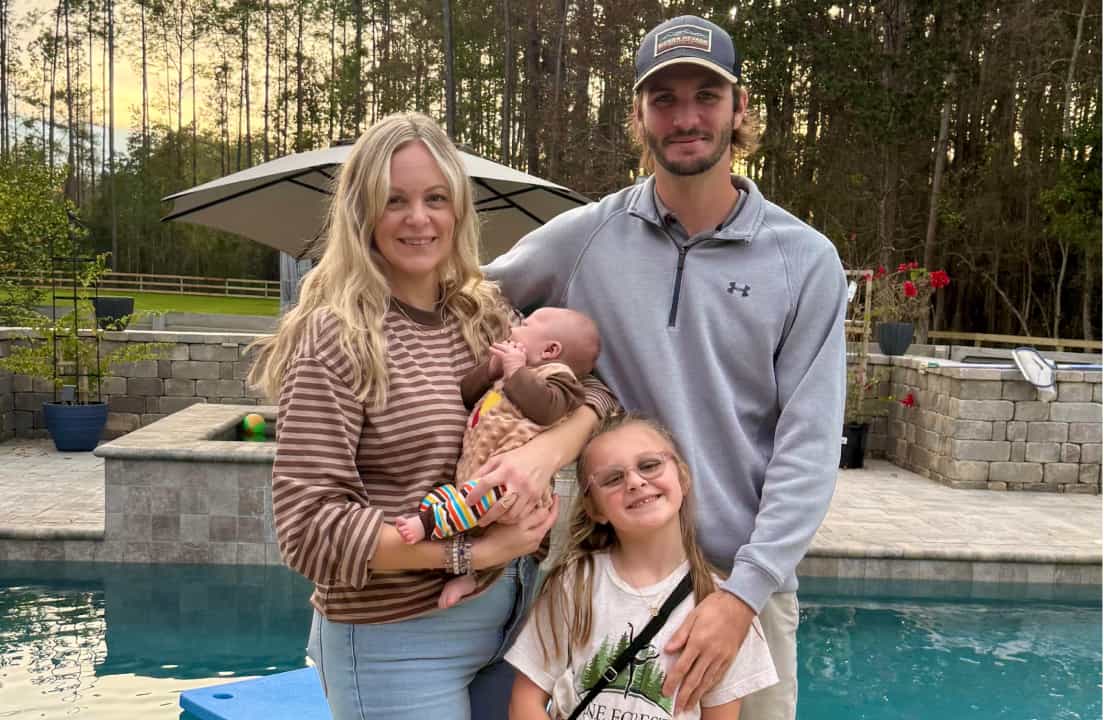
Seven years later, Blommaert’s eleven-year-old daughter, Reese, started showing signs of rapid weight loss. At first he thought she might have an eating disorder, until she began exhibiting the classic T1D symptoms that Blommaert himself had.
“We went to the ER for an official confirmation, and I couldn’t believe it.”
Fast forward four short months later, and Blommaert’s fifteen-year-old son, Mason, began losing weight and having vision trouble. “I thought you’ve gotta be kidding me.”
They tested his blood sugar with his sister’s meter, and it read—high. Out of desperation, he asked his endocrinologist if there was anything else it could be, and the physician said, “No, I’m sorry.” They took another trip to the same ER where Reese went to confirm Mason’s diagnosis.
The same doctor saw both children and said she couldn’t believe they all three had type 1, and Blommaert agreed. “Now I say we won the diabetes lottery.”
After overcoming the shock, he acknowledged, “It was the first time in my life I was thankful I had type 1 diabetes. My kids have seen me manage it for seven years, so I was able to guide them and was lucky to have caught the signs before either child went into diabetic ketoacidosis (DKA).”
“Not waiting until that person is in DKA and in the hospital, where you’re hammered with all this new information in the ER that’s just changed all your lives, and there’s the small potential that your child might die? How many parents would be like, ‘I could have prevented or reversed this if I’d known?’”

A Decade Later—Screening Matters More
It was 2014, and screening wasn’t as prominent as it is today. There weren’t as many disease-modifying therapies to consider, like Tzield (teplizumab-mzwv), which is shown to delay type 1 diabetes for up to two years if caught early enough.
“I don’t recall any discussion anywhere of screening. It was before Tzield came along. If you screened, it was almost like what do you do with this information,” said Blommaert. “Still you’re better prepared. You know it’s coming so you can keep an eye on it and prepare.”
Three Type 1s—Different Treatment Plans
Blommaert finds it fascinating that you have three related people who have the same condition but also are very unique in their treatment. “As far as carb counting and correction ratios. We all respond to the same meal differently.
“It shows the uniqueness of type 1 diabetes. We have the same condition, but our condition isn’t the same. It’s personalized.”
Treating Type 1 is More Art than Science
Living with the disease for over a decade, Blommaert was able to convey the nuances of type 1 to his children. “In the beginning, when they would get frustrated, I’d remind them that living with type 1 is more of an art than a science, meaning you can do all the right things, but you’re not always going to get the same results that you want, and it isn’t because you did something wrong; it’s just the nature of the condition.”
Leaning on One Another
Blommaert still gets discouraged with the condition that requires 24-hour care and a lot of patience. “That’s where we lean on each other. Like, my daughter was just texting me yesterday about her frustration having type 1, and how much she hates it, and she wishes she didn’t have it.”
“And that’s where I’m thankful that I have it, because obviously I can very much relate. So, if any positives have come out of it, it’s that we’ve been able to help and lean on each other.”
Ongoing Type 1 Stigma
Type 1 diabetes stigma is still prevalent today, with global data from PubMed showing that upwards of 75% to 92% of individuals living with T1D report experiencing judgment, social blame, or exclusion. Advocacy groups like Breakthrough T1D highlight that this stigma stems from widespread confusion between T1D and T2D.
For the interview, Blommaert wore a T-shirt that read, “‘Diabetes, Type 1: A condition that is not caused by eating candy and cannot be cured with cinnamon. It’s an autoimmune disease, non-preventable.’
“I love that it makes a strong message with a little bit of snark, because we’ve all heard, maybe you ate too much candy.”

How to Advocate for Your Correct Diabetes Diagnosis
If you happen to have received a type 2 diagnosis, but something doesn’t feel right, and your doctor refuses to listen, Blommaert said to run for the autoantibody test for those four autoantibodies. These tests determine whether your body is attacking the beta cells.
“If your practitioner, whether it’s an endocrinologist or primary doctor, isn’t willing to do that, there’s TrialNet and other resources out there to get screened. Then you can present the results back to your provider. And if they’re not willing to listen—at that point you really need to find a new provider because you’ve done everything you can if objective data and research from legit sources isn’t enough; you need to find somebody else.”
Cautious Optimism
Blommaert is cautiously optimistic for a cure and said he’s also excited about the advances in technology and medications that are currently available for type 1s, especially those that are in the pipeline to delay the onset—ones that buy you time until that cure comes.


.webp)


.jpeg)





















.jpg)







.jpg)






%20(1).jpg)




.jpg)
.jpg)
.jpg)
.jpg)
.jpg)

.jpg)
.jpg)

.jpg)
.jpg)
.jpg)
.jpg)
.jpg)
.jpg)
.jpg)
.jpg)

.jpg)
.jpg)
.jpg)
.jpg)
.jpg)

.jpg)

.jpg)
.jpg)



.jpg)

.jpg)
.jpg)


.jpg)
.jpg)


.jpg)
.jpg)


.webp)
.svg)