


T1D Guide
T1D Strong News
Personal Stories
Resources
T1D Misdiagnosis
T1D Early Detection
Research/Clinical Trials
Newly Diagnosed with T1D: What if We Can Retrain Your Immune System to Stop Attacking Beta Cells?
What if, instead of broadly suppressing the immune system, it could be restrained to stop attacking the cells in the pancreas that produce insulin? That’s the goal of CNP-103, an investigational therapy from COUR Pharmaceuticals. A new clinical trial is now enrolling teens and adults who were diagnosed with type 1 diabetes (T1D) within the last six months.
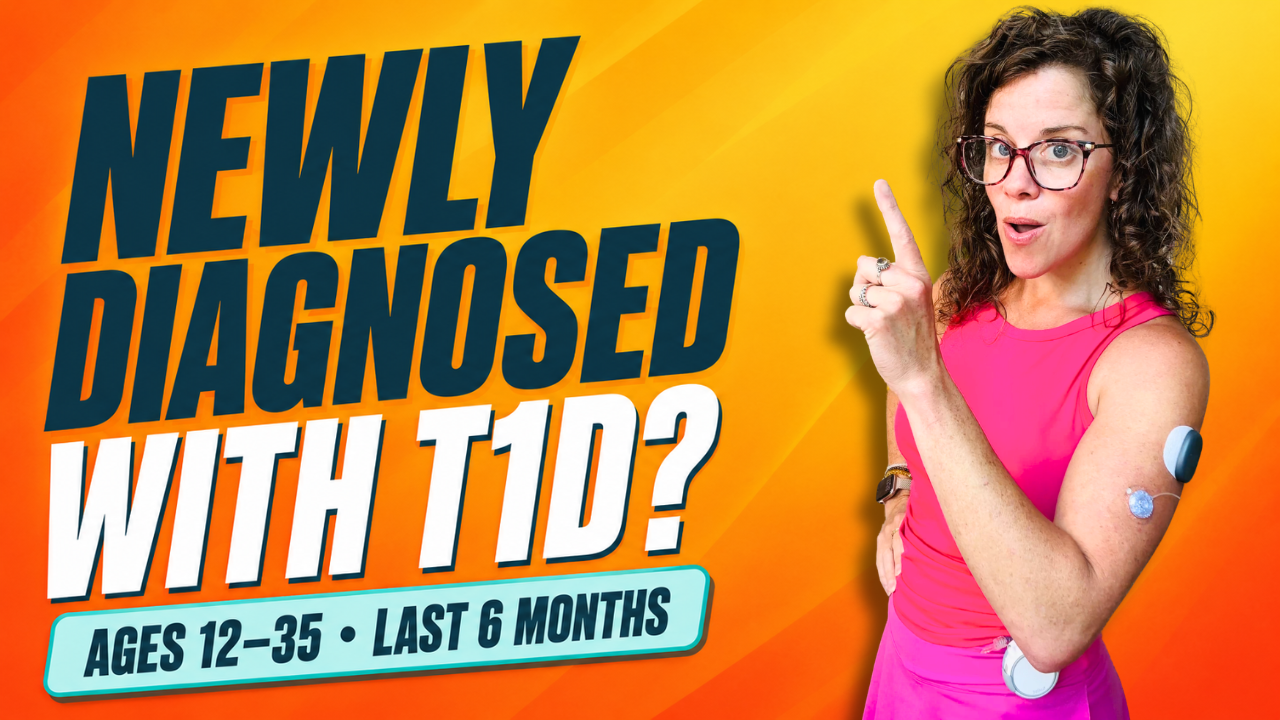

This research is exploring whether CNP-103 can target the autoimmune attack behind type 1 diabetes and protect some of the insulin-producing beta cells a person still has shortly after diagnosis.
Let’s be very clear, though: CNP-103 is still investigational. It has not been proven to stop type 1 diabetes, preserve natural insulin production, or reduce someone’s need for insulin.
This is the first clinical trial in the United States testing CNP-103 in humans—which makes it exciting, but also means researchers still have plenty to learn. Wanna participate? Click here.
Why Does the Immune System Attack Beta Cells?
Type 1 diabetes is an autoimmune disease. The immune system is supposed to protect the body from things that don’t belong, including viruses and bacteria.
In type 1 diabetes, certain immune cells mistakenly identify insulin-producing beta cells as dangerous. The immune system gradually attacks and destroys those cells until the body can no longer produce enough insulin to keep blood sugar levels in a safe range.
Taking insulin keeps us alive. Today’s pumps, continuous glucose monitors, and automated insulin-delivery systems can also make diabetes significantly more manageable.
But these tools don’t stop the autoimmune attack that caused type 1 diabetes in the first place.
CNP-103 is trying to address that underlying attack.
What Is CNP-103?
CNP-103 is an investigational therapy being developed by COUR Pharmaceuticals, a biotechnology company focused on creating treatments for autoimmune diseases.
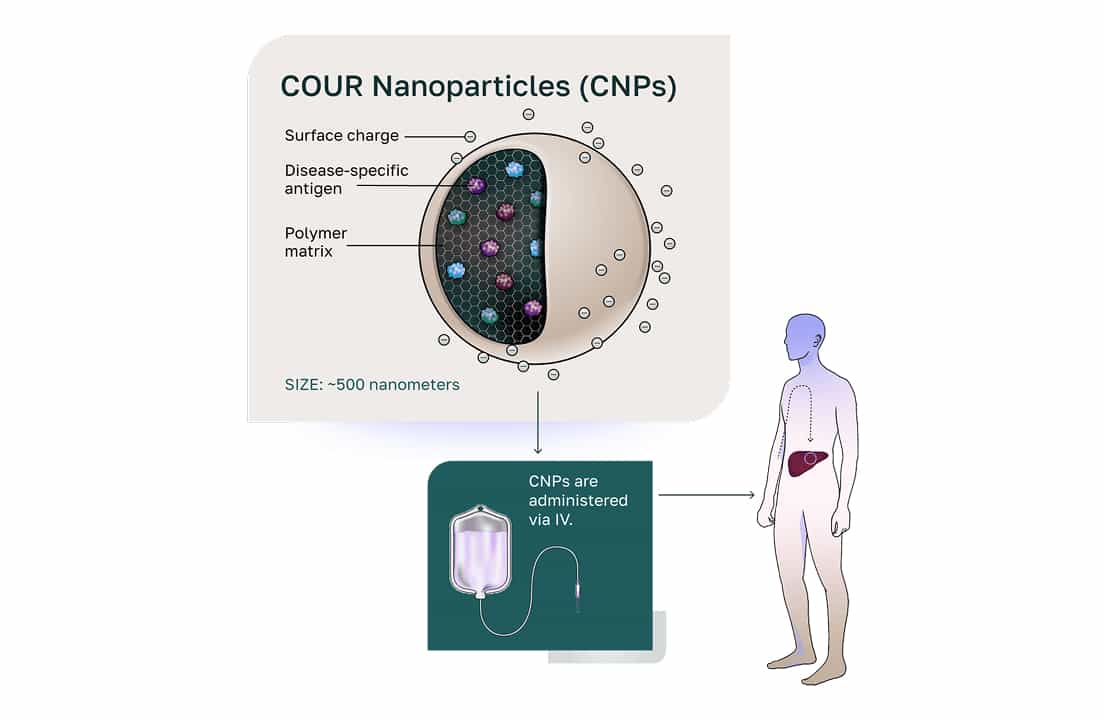
The basic idea behind CNP-103 is called immune tolerance. Instead of broadly weakening or suppressing the immune system, CNP-103 is designed to retrain the specific immune cells involved in attacking the beta cells in the pancreas.
CNP-103 uses tiny nanoparticles carrying proteins—or antigens—associated with type 1 diabetes. That sounds very, very nerdy. I know.
Basically, these particles are designed to deliver a very specific message to the immune system: “Hey! These beta cells belong to your body. They are not dangerous. Stop attacking them!”
Think of it like correcting a case of mistaken identity. The immune system currently sees the beta cells as the enemy. CNP-103 is designed to help the immune system recognize those cells as friendly instead.
At this point, that is still the goal—not a proven outcome.
Researchers don’t know yet whether CNP-103 can successfully protect beta cells in people with type 1 diabetes. They also don’t know how strong the potential effect might be or how long it could last. This clinical trial is intended to help answer those questions while also evaluating the treatment’s safety.

Why Is the Trial Only for People Recently Diagnosed?
This clinical trial is looking for people who were diagnosed with type 1 diabetes within the last six months.
Here’s why: Many people are still producing some of their own insulin shortly after diagnosis. That means they may still have functioning beta cells that could potentially be protected.
The immune system’s attack on beta cells happens gradually. Those cells don’t all disappear overnight. Many people continue producing a meaningful amount of insulin for months—and sometimes longer—after diagnosis. This is commonly called the “honeymoon phase.”
Some people who have lived with type 1 diabetes for many years continue producing small amounts of insulin, too. Generally, however, there are more functioning beta cells to protect immediately after diagnosis.
CNP-103 cannot replace beta cells that have already been destroyed. The goal is to calm the autoimmune attack early enough to protect some of the cells that are still producing insulin.
Even preserving a portion of someone’s natural insulin production could potentially be valuable. Those beta cells may help with blood sugar management, even if the person still needs injected or infused insulin.
Whether CNP-103 can actually accomplish this is what researchers need to find out.
Who Might Qualify?
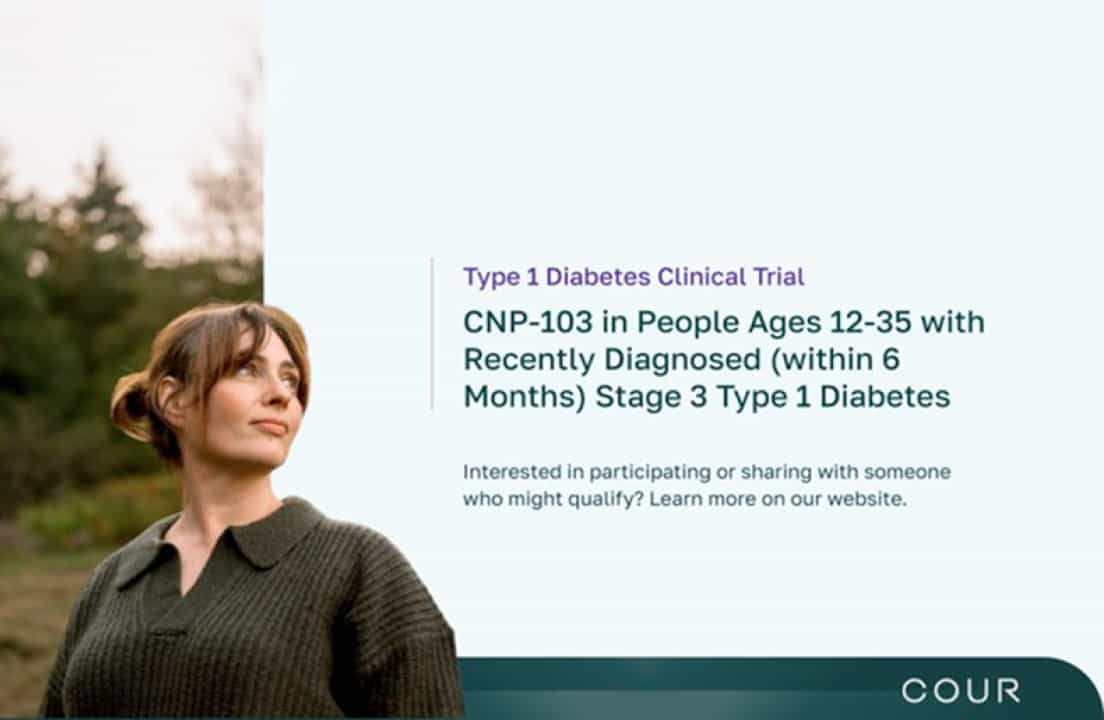
The CNP-103 clinical trial is currently enrolling teens and adults who:
- Are between 12 and 35 years old
- Were diagnosed with type 1 diabetes within the last six months
- Are using standard diabetes treatments, including insulin
- Are not taking certain medications that affect the immune system
There are additional health and eligibility requirements, so meeting these basic qualifications does not automatically mean someone can enroll. The study team will review each person’s health and medical history during the screening process.
For participants under 18, a parent or guardian must provide informed consent. The teenager will also be asked to provide assent, which means agreeing to participate based on an age-appropriate understanding of the study.
What Does Participation Involve?
The entire study lasts about 13 months and includes up to 10 visits to a participating study site.
Here’s what participation involves:
- Screening: The study team will review your health and perform tests to determine whether you qualify. You’ll have time to ask questions, learn about potential risks, and decide whether the study feels right for you.
- CNP-103 or placebo: If you enroll, you’ll be randomly assigned to receive either CNP-103 or a placebo. Participants are approximately two to three times more likely to receive CNP-103.
- IV infusions: You’ll receive up to 5 infusions during the first 9 months of the trial. Each infusion takes approximately four hours, and the study team will monitor you closely.
- Testing: Study visits may include lab work, questionnaires, health checks, and other testing.
- Follow-up: After your final infusion, you’ll return for follow-up visits so researchers can continue monitoring your health and learn how your body responded.
Regardless of whether a participant receives CNP-103 or the placebo, everyone will continue taking insulin and following their usual diabetes treatment plan.
The CGM Situation Is a Little Unusual
Participants will also use a few tools to help researchers collect information:
- Study CGM: You’ll wear a continuous glucose monitor (CGM) provided by the study at certain points during the trial. The data will go directly to the research team, so you won’t be able to see the readings.
- Your regular glucose monitoring: The study CGM cannot be used to make diabetes treatment decisions. You can continue wearing your usual CGM or check your blood sugar with a glucose meter.
The blinded study CGM allows researchers to collect consistent glucose data without those readings influencing how participants manage their diabetes.
What Does the Study Cost?
Here’s what to know about costs and travel:
- No cost to participate: The assigned study treatment, study-related procedures, and checkups are provided at no cost. Health insurance is not required.
- Compensation may be available: Participants may receive compensation for their time and other study-related expenses.
- Travel support may be available: COUR Pharma may help cover travel costs to a participating study site. Ask the study team what assistance is available based on your location.
- Study sites across the country: The trial is enrolling at locations throughout the United States, so don’t assume the nearest site is too far away before asking about travel support.
The exact support available may depend on the participant’s location and assigned study site.

What Researchers are Trying to Learn
What makes CNP-103 so interesting is how specific it’s designed to be:
- It does not broadly suppress the immune system. CNP-103 is designed to target the immune cells involved in the attack on insulin-producing beta cells while leaving the rest of the immune system functioning normally.
- It is still investigational. Researchers need to determine whether CNP-103 works as intended and learn more about its safety, risks, and potential side effects.
- It does not replace lost beta cells. CNP-103 cannot bring back beta cells that have already been destroyed.
- It is not expected to eliminate the need for insulin. Everyone in the trial will continue using insulin and following their usual diabetes care.
The hope is that CNP-103 can calm the autoimmune attack early enough to protect some of the beta cells that are still producing insulin. If it works, this research could be an important step toward changing how type 1 diabetes progresses—but we need the clinical trial data first.
Is This Trial Right for You?
Joining a clinical trial is a very personal decision. There may be potential benefits, but there are no guarantees.
Before enrolling, ask the study team about:
- What researchers already know about CNP-103
- Possible risks and side effects
- What happens at each study visit
- What travel assistance may be available
- What happens if you decide to leave the trial
Participation is completely voluntary. Even after enrolling, a participant can choose to leave the study at any time.
If you—or your child—are ages 12 to 35 and were diagnosed with type 1 diabetes within the last six months, visit DiabetesNerdNetwork.com/courpharma to learn more and complete the initial questionnaire.
Please share this information with anyone who was recently diagnosed. That six-month eligibility window moves quickly, and many families don’t hear about clinical trial opportunities until it’s too late to qualify.


.webp)
.jpeg)

.webp)














.jpg)







.jpg)



%20(1).jpg)


.jpg)
.jpg)
.jpg)
.jpg)
.jpg)
.jpg)
.jpg)

.jpg)
.jpg)

.jpg)
.jpg)
.jpg)
.jpg)
.jpg)
.jpg)
.jpg)

.jpg)
.jpg)
.jpg)

.jpg)

.jpg)
.jpg)
.jpg)


.jpg)
.jpg)


.jpg)
.jpg)
.jpg)
.jpg)
.jpg)
.jpg)
.jpg)

.jpg)
.jpg)
.jpg)


.jpg)


.webp)
.svg)