T1D Guide
T1D Strong News
Personal Stories
Resources
T1D Misdiagnosis
T1D Early Detection
Research/Clinical Trials
When Insurance Dictates Diabetes Technology: Dexcom G7 Users Face a Forced Switch
If you have CVS Caremark or Aetna as your insurance provider, you may have received a notification that some plans will no longer cover the Dexcom Continuous Glucose Monitor (CGM) as a pharmacy benefit. As of January 1, 2027, certain Dexcom users will need to switch to Abbott’s FreeStyle Libre 3 Plus.
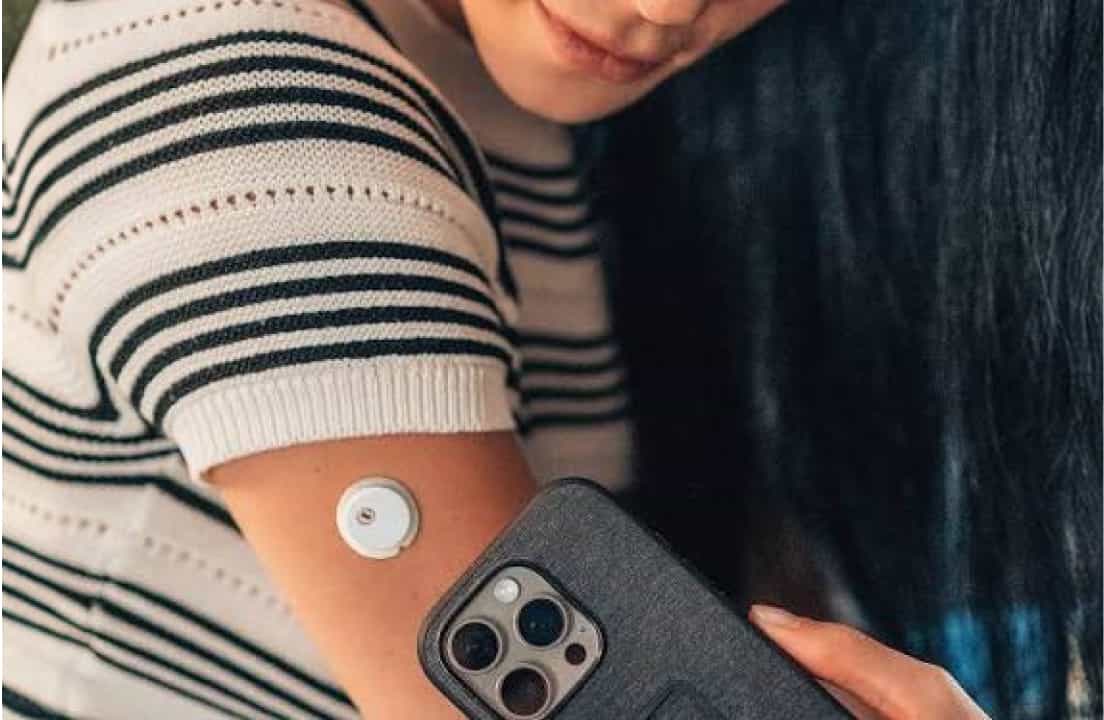

Dexcom G7 and Abbott FreeStyle Libre 3 Plus are both capable continuous glucose monitors. Both were named in T1D Strong’s 6 Best Continuous Glucose Monitors of 2026.
However, the impact of insurance-mandated CGM switching on people living with type 1 diabetes (T1D) is not simply about which glucose monitor is better – it’s about choice.
For someone who has spent months or years learning to manage diabetes with one device, being told to switch because of an insurance formulary decision can be disruptive, frustrating, and potentially consequential.
This is an important distinction.
Who Gets to Choose?
The issue is not switching to an equally adequate CGM. The fact that patients have little say in which CGM their insurance covers is disturbing. We know with diabetes, there’s no one-size-fits-all. Two people can have different pump settings; they can react differently to certain carbs and exercise, and they respond differently to certain insulin pumps and CGMs. Some have allergic skin reactions; others require customized notifications. Compatibility is key with automated insulin delivery (AID) systems. A device that works well for one person may not work as well for another.
Also, switching devices can be problematic and time-consuming. You’ll need to learn new technology, fill new prescriptions, order new supplies, complete additional training, troubleshoot, and share data with caregivers and healthcare providers.
Read on to understand how this change may affect your coverage, what you can do now, and, if forced, how to make the transition as smooth as possible.
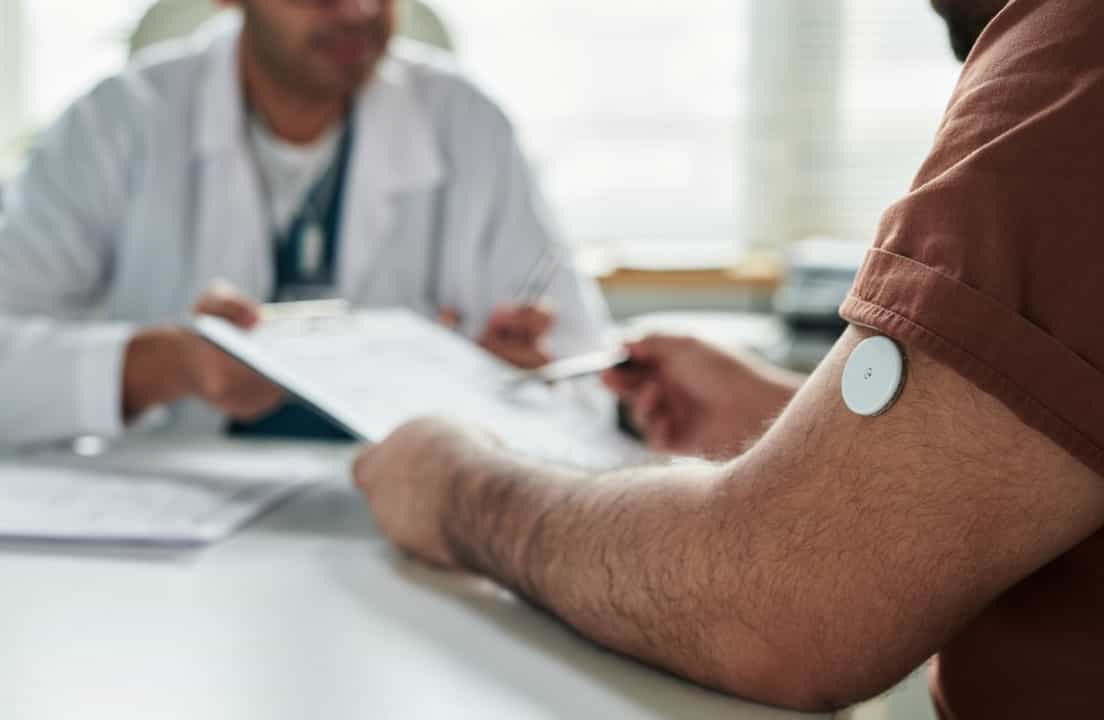
A New CGM Requires a Big Learning Curve
A CGM is not just another medical supply. It becomes part of a person’s daily diabetes-management routine. Patients and caregivers become accustomed to:
- How glucose readings appear and how quickly they update.
- How alerts are delivered and customized.
- How glucose data are shared with parents, spouses, and caregivers.
- How the device works with their insulin pump and automated insulin delivery (AID) system.
- Sensor placement, adhesive performance, and comfort.
DPAC’s Campaign and Position
Undoubtedly, this creates stress and anxiety for people with diabetes and their families, which is why the Diabetes Patient Advocacy Coalition (DPAC) launched an advocacy letter-writing campaign in response to CVS Caremark and Aetna’s decision to drop Dexcom in favor of the Abbott FreeStyle Libre.
DPAC’s online action campaign lets patients, caregivers, and advocates send letters directly to CVS Caremark and Aetna urging them to halt forced non-medical switches and protect uninterrupted access to CGM technology.
Criticism of Monopolies
DPAC and community advocates have highlighted how decisions by certain healthcare entities (a pharmacy benefit manager (PBM), insurer, and pharmacy network) dictating device choices may harm diabetes management by ignoring that CGM systems are not interchangeable.
Steps to Take with DPAC
- First, check your specific insurance plan. Not everyone is affected. Coverage changes vary by employer, insurance plan, and benefit design. Visit here to learn more.
- Work with prescribers to explore medical-necessity exceptions, durable medical equipment (DME) channels, or alternative coverage paths.
- Participate in the DPAC Letter Campaign to cite what a forced CGM switch could mean for you.

Steps to Ensure a Smooth Transition to New CGM:
- Contact your doctor to let them know about the changes to your covered device. If your prescriber agrees to the change, they can send a new prescription to your pharmacy so it’s ready to fill starting January 1, 2027.
- This change will help you avoid paying the full cost.
- Keep in mind, if you refill the prescription for your current device after January 1, 2027, you’ll need to pay the full cost.
What Dexcom G7 Users Need to Know for 2027
If you are switching from Dexcom G6 or G7 to Abbott’s FreeStyle Libre 3 Plus, note that both are advanced continuous glucose monitors that provide real-time glucose readings, track trends, and alert you to high and low glucose readings.
However, there are some meaningful differences in sensor life, data frequency, warm-up time, connectivity, and pump compatibility.
Dexcom G7 vs. Abbott FreeStyle Libre 3 Plus
The Libre 3 Plus is a strong competitor to the Dexcom G7, particularly in sensor longevity, size, reading frequency, and insulin pump compatibility. Dexcom retains meaningful advantages in predictive low alerts, warm-up time, and connectivity.
Important Differences to Consider
Sensor Wear Time
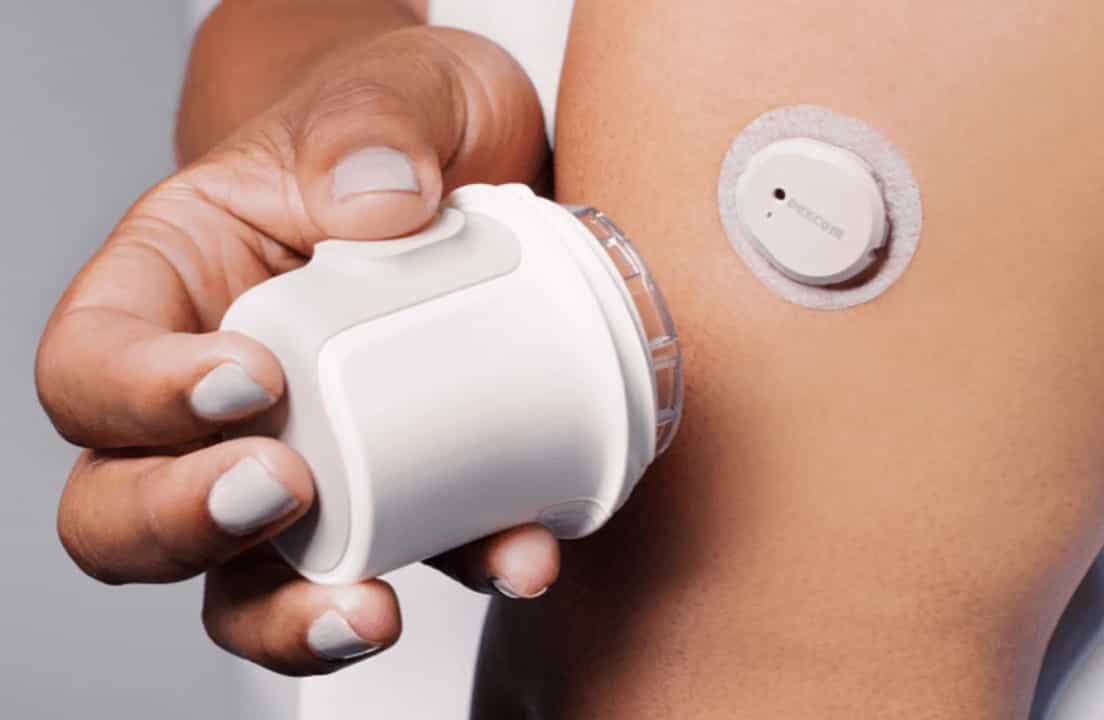
Some Dexcom sensors last 10 days vs. Libre 15 days.
Glucose Reading Frequency
- Dexcom G7: Transmits glucose readings every five minutes.
- Libre 3 Plus: Transmits glucose readings every minute.
Warm-up Time
Dexcom’s advantage here is that the G7 gets users back to receiving glucose readings sooner after inserting a new sensor.
- Dexcom G7: 30 minutes.
- Libre 3 Plus: 60 minutes.
Alerts and Alarms
Both systems offer customizable high- and low-glucose alerts, along with notifications for signal loss. However, Dexcom has an additional feature worth highlighting:
Urgent Low Soon: The G7 can predict when glucose is likely to fall below 55 mg/dL within about 20 minutes, giving users time to respond before reaching that level.
Accuracy
Accuracy is one of the most important considerations when choosing a CGM.
A commonly used measure is MARD (Mean Absolute Relative Difference). Generally, a lower MARD score is better, indicating a closer agreement between CGM readings and reference glucose measurements.
Dexcom G7: Adult MARD is 8.2%, and the pediatric MARD is 8.1%. For young children (ages 2-5): 7.7%
Libre 3 Plus: Adult MARD is 8.2%, and the pediatric MARD is 8.2%. For young children (ages 2-5): 9.7%
Insulin Pump Compatibility
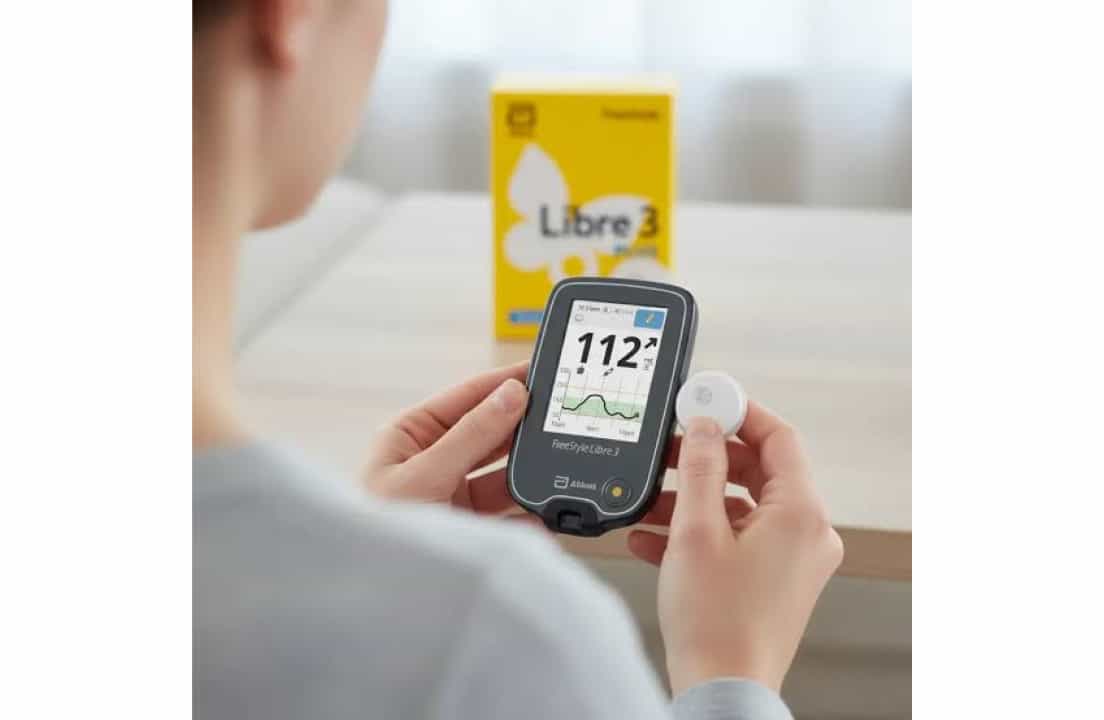
Both Dexcom G7 and FreeStyle Libre 3 Plus integrate with select automated insulin delivery systems, but compatibility varies by pump. For people who rely on a specific CGM-pump combination, an insurance-mandated switch could affect their existing diabetes-management technology. Patients should verify compatibility before changing devices.
The Libre 3 Plus sensor now connects with all leading U.S. insulin pump brands. Current compatible automated insulin delivery systems include Insulet Omnipod 5, Tandem t:slim X2, Beta Bionics’ iLet Bionic Pancreas and twiist. Notably, Tandem has communicated that Mobi compatibility with the Libre 3 Plus sensor is expected to be commercially available in the U.S. by the first half of 2027.
Important Note: On August 25, 2026, Abbott received FDA authorization and CE Mark approval for the world's first dual glucose-ketone sensing technology for people with diabetes. The Libre 10-Day DUO is a first-of-its-kind, two-in-one bio-wearable that continuously monitors glucose and helps detect rising ketone levels, which can lead to diabetic ketoacidosis (DKA), a serious and potentially life-threatening complication. The device is approved for individuals aged 2 years and older.
Advantages and Disadvantages
Dexcom G7
Strengths
- Faster 30-minute warm-up.
- Predictive Urgent Low Soon alert.
- Three simultaneous Bluetooth connections.
- Direct Apple Watch connectivity.
- Established integration with multiple insulin pumps.
Limitations
- Glucose readings every five minutes.
- Requires an overpatch.
- More frequent sensor replacements.
Abbott FreeStyle Libre 3 Plus
Strengths
- Glucose readings every minute.
- Smaller, thinner sensor.
- No overpatch required.
- Broad automated insulin delivery compatibility.
- 15 days of sensor memory.

Limitations
- Longer 60-minute warm-up.
- No equivalent predictive Urgent Low Soon alert.
- Shorter water-immersion rating.
- One simultaneous Bluetooth connection.
Remote Glucose Sharing
Both Dexcom G7 and FreeStyle Libre 3 Plus offer remote glucose sharing, which is especially important for parents, spouses, and caregivers of people with T1D. The two systems offer similar core functionality, but Dexcom Follow has some advantages in flexibility for individual follower notification preferences while the LibreLinkUp allows for more followers.
Number of people who can follow glucose readings
- Dexcom Follow: Up to 10 people can follow one person's glucose readings.
- LibreLinkUp: Up to 20 people can follow one person's glucose readings.
Customizable alerts
Both apps allow caregivers to receive notifications about high and low glucose levels.
- Dexcom Follow: Followers can customize their own notification settings, including glucose thresholds and notification preferences.
- LibreLinkUp: Caregivers receive glucose alarms enabled by the person using the Libre system. Available notifications depend on the settings in the primary Libre app.
Dexcom’s Response to Upcoming Insurance Changes
Dexcom executives addressed the upcoming CVS Caremark and Aetna formulary changes during the company’s October 29, 2026, third-quarter earnings call, emphasizing that “CGM systems are not necessarily interchangeable for every person with diabetes.” CEO Jake Leach highlighted the potential consequences for patients who rely on Dexcom’s integration with automated insulin delivery systems, caregiver data sharing through Share/Follow, and other device-specific features.
Leach cited the company’s position that insurers should provide equal access to competing CGM technologies rather than restrict patients to a single manufacturer. Dexcom says it is working to help affected customers navigate alternative coverage options and plans to introduce Dexcom Direct in early 2027 to provide additional assistance.

Overall Takeaway
Decisions about diabetes technology should prioritize patients, not simply insurance costs. First and foremost, let your voice be heard. Take action with DPAC, and let your insurance provider know how you feel about this forced change. People living with diabetes should have a meaningful voice in choosing the technology they rely on to manage their condition. Insurance formulary changes should not disrupt established treatment routines or compromise access to devices that best meet individual medical needs.
Secondly, make sure your prescriptions are in place for you or your loved ones, so there is no gap in coverage. Educate yourself on your new CGM and sensor.
Individuals with diabetes face a constant stream of challenges that require routines and discipline. All of which foster high levels of daily problem solving and perseverance. Building resilience is one of the strengths of T1Ds and their caregivers. Still, you don't have to face every obstacle alone. Connect with healthcare providers, support groups and mental health resources.