T1D Guide
T1D Strong News
Personal Stories
Resources
T1D Misdiagnosis
T1D Early Detection
Research/Clinical Trials
I Don’t Like My Doctor. Now What? Finding the Right Endocrinologist for Type 1 Diabetes
Dreading your next appointment should not be part of living with type 1 diabetes (T1D). Yet many people stay with a doctor who leaves them feeling worse, unsure whether they can ask for more or how to find someone better.


Sometimes speaking up fixes the problem. When it does not, finding a new endocrinologist, in person or online, is often easier than expected, and switching does not have to disrupt your diabetes care.
Signs Your Endocrinologist is Not the Right Fit
Managing type 1 diabetes means making health decisions all day, every day. Insulin doses, meals, exercise, stress and illness do not wait for your next appointment. So when you finally see your endocrinologist, that time needs to count.
But some people leave their appointments feeling worse, not better. Maybe one of these sounds familiar:
- You feel rushed or dismissed.
- Visits focus on your A1C and glucose numbers, not on what is happening in your life.
- You ask about an insulin pump or continuous glucose monitor (CGM), and your doctor seems unfamiliar with the technology.
- You walk out feeling judged instead of supported, which can feed diabetes distress.
One hard visit is not a reason to leave. A pattern is different. If the same problems keep coming up, it is fair to ask whether this relationship still works for you.
How the Right Endocrinologist Changed Nancy’s Life
Nancy had been diagnosed with T1D about a year earlier when she started searching for a new doctor. She described her endocrinologist as harsh and critical. Visits ended with her being told she was not doing well, and she often left in tears. She was new to diabetes, overwhelmed and caring for a child with a disability at home. No one was giving her the guidance she needed.
As an attendee of Grownup T1Ds, a peer support community for adults living with type 1 diabetes, she reached out for help. The organization emailed hundreds of members, asking anyone with her insurance who lived in her area to recommend a specialist.
Within two hours, responses poured in. Many named the same doctor.
Nancy had an appointment within days. After that first visit, she shared a photo of herself with her new endocrinologist. She was crying so hard she could not leave the parking lot. That one appointment, she said, changed her life.
Her story shows how much the right fit matters, especially in the first years after diagnosis. It also shows you don't have to settle for care that wears you down.

What Good Type 1 Diabetes Care Looks Like
It is easier to spot gaps in your care when you know what to expect. A good endocrinologist or diabetes care team should:
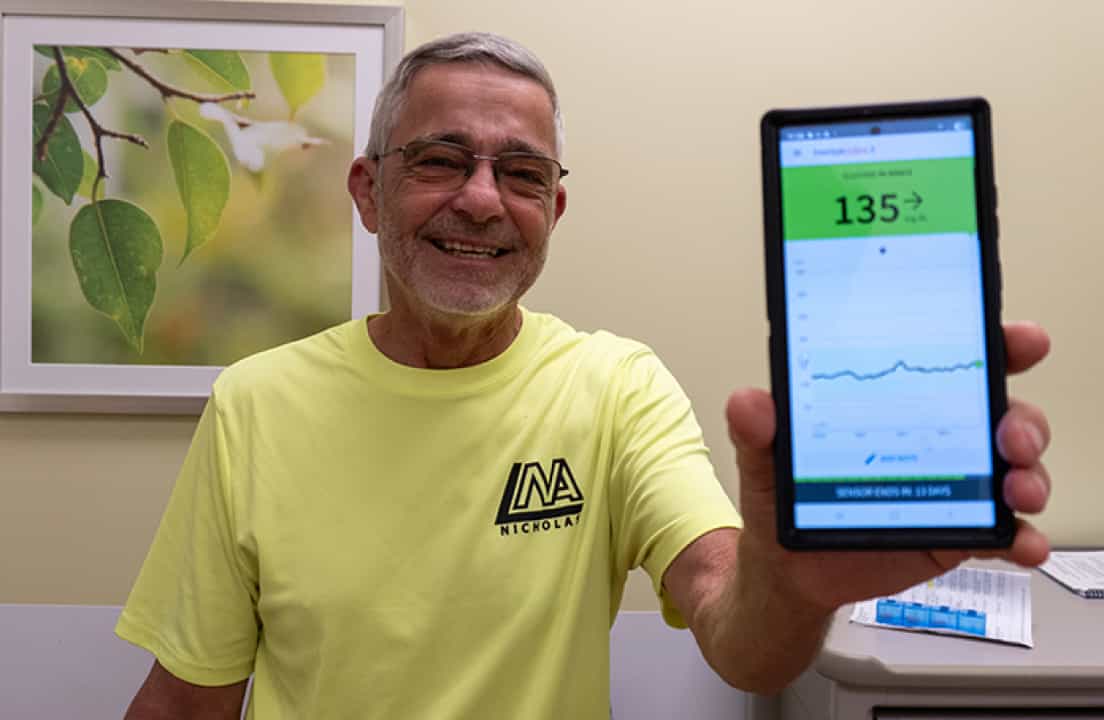
- Review your CGM or meter data with you, including time in range (TIR) and patterns of highs and lows.
- Adjust insulin doses or device settings to fit your routine.
- Order regular blood work to check kidney function, thyroid levels and other signs of related conditions.
- Examine your feet for nerve damage and circulation problems.
- Refer you to an eye doctor for diabetes eye exams.
- Ask how you are coping emotionally, not only physically.
- Discuss new treatments and technology that could help.
Many of these recommendations come from the American Diabetes Association’s Standards of Care, updated each year. If something is missing, bring it up at your next visit.
Should You Talk to Your Endocrinologist First?
Often, yes. Short appointments and crossed signals cause plenty of trouble, and a direct conversation can fix them.
Before your next visit:
- Write down your top concerns. Address them at the start, not on your way out.
- Share your CGM or pump reports ahead of time so the visit can focus on solutions.
- Be specific. “I want to talk about an automated insulin delivery system” works better than “I’m frustrated.”
- Ask for a referral to a certified diabetes care and education specialist (CDCES) if you need more hands-on support.
Then watch the response.
A good physician will listen, explain their reasoning and build a plan with you. If your concerns are brushed aside again, it may be time to look for someone new.

When to Find a New Endocrinologist
Some situations call for a change sooner rather than later:
- You are repeatedly talked down to or ignored.
- Requests for new treatments or devices are refused without explanation.
- You are blamed for high or low readings instead of being helped to understand them.
- The office rarely returns calls, or you wait months when you need help now.
- You no longer trust the advice you receive.
Being unheard can have serious consequences. Some adults living with T1D have spent years with the wrong diagnosis because no one took their symptoms seriously. You know your body and your daily life better than anyone. Your care team should value that knowledge.
Is a Second Opinion Worth It?
If you are not ready to leave but doubt your current plan, a second opinion can help. One visit with another endocrinologist can confirm your treatment or bring fresh ideas. It also lets you see how another office works before you commit. Check your insurer’s referral rules first, and bring recent lab results and a summary of your glucose trends.
Do You Need an Endocrinologist for Type 1 Diabetes?
Most people with T1D benefit from a specialist. Insulin needs shift often, and diabetes technology changes quickly. A specialist keeps up with both.
That specialist does not have to be a physician. Many endocrinology offices include nurse practitioners (NP) and physician assistants (PAs) who focus on diabetes. In areas with few specialists, some people rely on a primary care provider (PCP) with strong T1D experience. Skill and trust matter more than the title on the door.
How to Find a New Endocrinologist
Start with your health plan. Your insurer’s online directory or member services line can tell you which endocrinologists are in network and accepting new patients. If you are comparing plans during open enrollment, confirm that the specialist you want participates in that exact plan before you sign up.
Other places to look:
- The Endocrine Society’s Find an Endocrinologist directory lets you search by location and area of focus, including diabetes.
- Your primary care provider may know which local specialists work closely with people with T1D.
- Peers usually know which doctors listen, just as Grownup T1Ds members did for Nancy. Local meetups and online support groups are good places to ask.
- CDCESs can tell you which clinics are comfortable with pumps, CGMs and automated insulin delivery. The Association of Diabetes Care & Education Specialists offers a tool to find an accredited diabetes education program.

Virtual Diabetes Care Options
Virtual care has opened new doors, especially if you live far from a specialist or have few in-network choices.
- Blue Circle Health is a nonprofit offering free virtual care to adults 18 and older with T1D. Services include endocrinology care, diabetes education, mental health support and insurance navigation. It works alongside your current providers. The program is available in about 20 states and Washington, D.C., mostly in the East, South and Midwest, so check whether your state is included.
- TeleMed2U offers virtual endocrinology visits by video. It accepts many insurance plans, including Medicare, though exclusions may apply. Patients whose plans are not accepted can pay out of pocket.
- Integrated Diabetes Services offers one-on-one virtual coaching with certified diabetes care and education specialists. Gary Scheiner, who has lived with type 1 diabetes since 1985, founded the practice. Services are private pay, but clients receive statements they can submit for possible out-of-network reimbursement.
- Many local endocrinologists now offer telehealth visits. Ask your insurer which virtual providers are in-network, and confirm that any clinician you see is licensed in your state.
If no in-network endocrinologist can meet your needs, ask your insurer about an out-of-network exception.
Questions to Ask a New Endocrinologist
A first appointment is a chance to judge the fit. Consider asking:
- How many of your patients live with type 1 diabetes?
- Which insulin pumps, CGMs and automated insulin delivery systems do you support?
- Is a CDCES part of your team?
- How do I reach the office between visits, and how quickly will someone reply?
- How often will we meet, and how long are appointments?
- How do you handle refills and prior authorizations?
Pay attention to how the doctor answers, not just what they say. Do they ask about your goals? Do they treat you as a partner in decisions about your care?

How to Switch Doctors without a Gap in Care
A smooth transition protects your insulin and device supply. Follow these steps:
- Book with your new doctor before leaving the current one. New-patient wait times can be long.
- Refill prescriptions so you have enough insulin, sensors and pump supplies to bridge the gap.
- Request your medical records. Under federal privacy rules, providers generally must respond within 30 days, with one possible 30-day extension. The U.S. Department of Health and Human Services explains your right to access your health information.
- Ask whether prior authorizations for devices or medications will need to be renewed under your new doctor.
Changing Doctors at Different Stages of Life
Young adults leaving pediatric care face one of the biggest shifts. Adult clinics expect patients to manage more on their own. Start looking for an adult endocrinologist before your last pediatric visit.
Needs change again later in life. After decades with T1D, some people notice their low-blood-sugar warning signs fading. Others want a doctor who understands the challenges of aging with type 1 diabetes.
You Deserve a Partner in Your Diabetes Care
Your relationship with an endocrinologist may last years or even decades. It should leave you informed, respected and supported.
Asking for more does not make you difficult. Neither does looking for someone new. Nancy learned that sitting in a parking lot — after one good appointment. The right endocrinologist is out there, and finding one is worth the effort.