


T1D Guide
T1D Strong News
Personal Stories
Resources
T1D Misdiagnosis
T1D Early Detection
Research/Clinical Trials
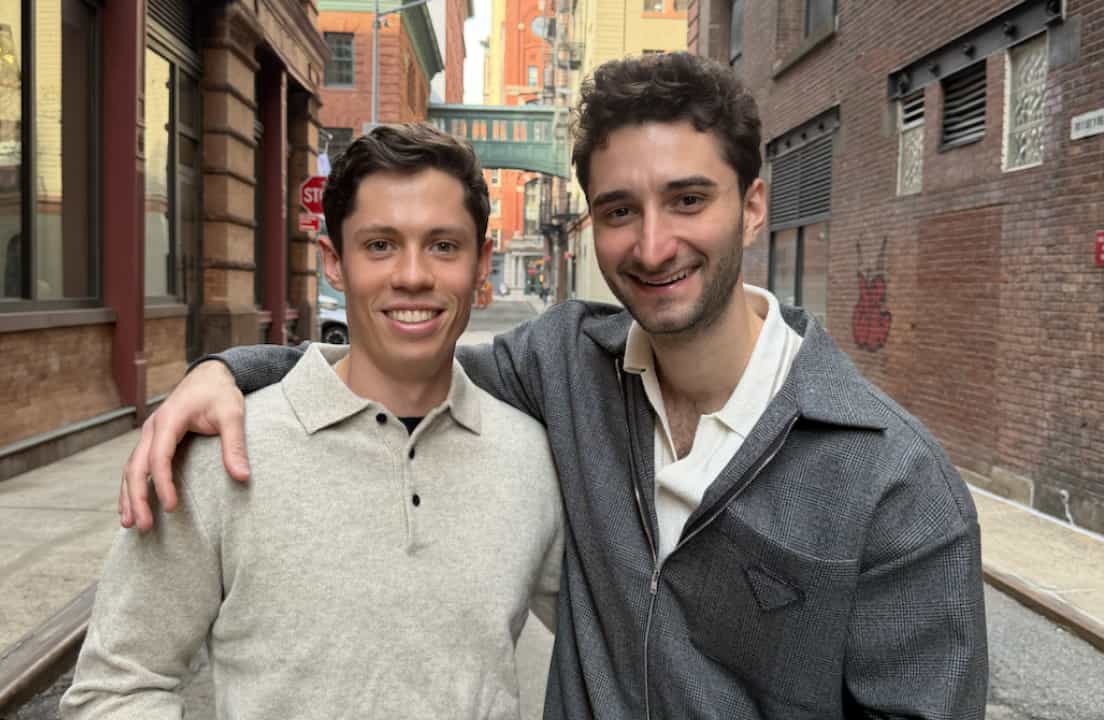
Father and Son Paul and Nick Peloso Discuss Growing Up with Type 1 Diabetes and the Breakthrough T1D Therapy Paul Is Developing
Paul Peloso, MD, is the chief medical officer (CMO) at COUR Pharmaceuticals, a clinical-stage biotech company developing a promising disease-modifying therapy for type 1 diabetes (T1D). His son, Nick, has type 1, which makes Paul’s commitment even stronger.

.webp)
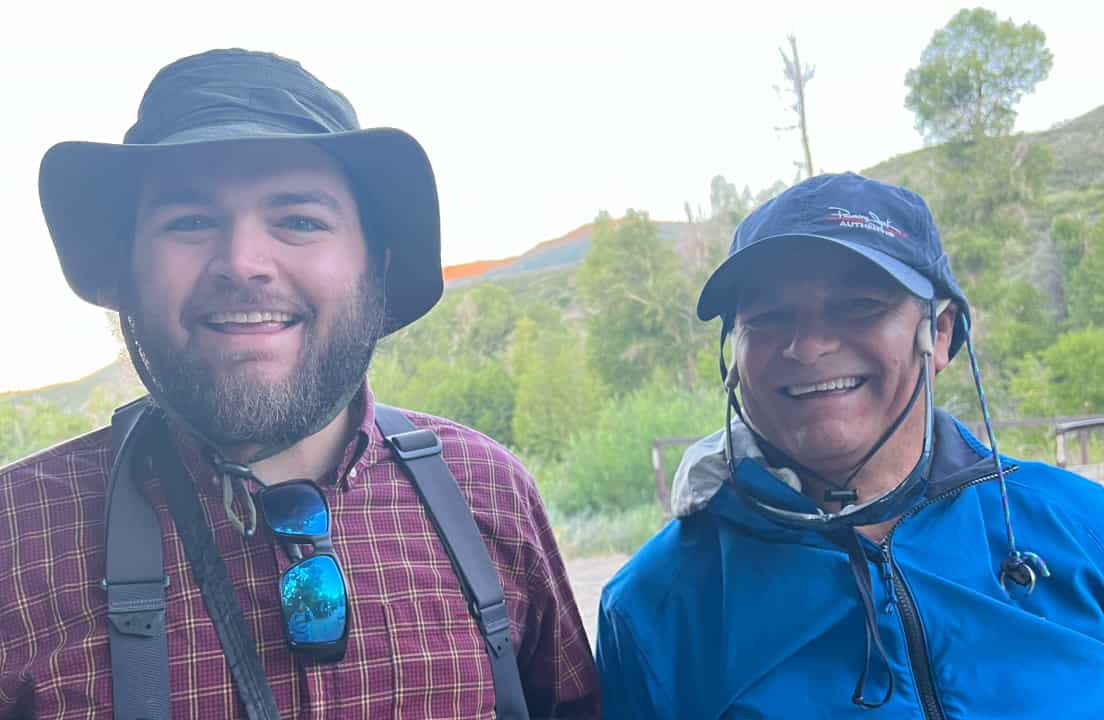
T1D Strong sat down with father and son, Paul and Nick, to discuss how life with type 1 diabetes has shaped their relationship, Nick’s transition into adulthood, and what they’re most excited about on the path toward a cure.
Nick’s Self-Diagnosis
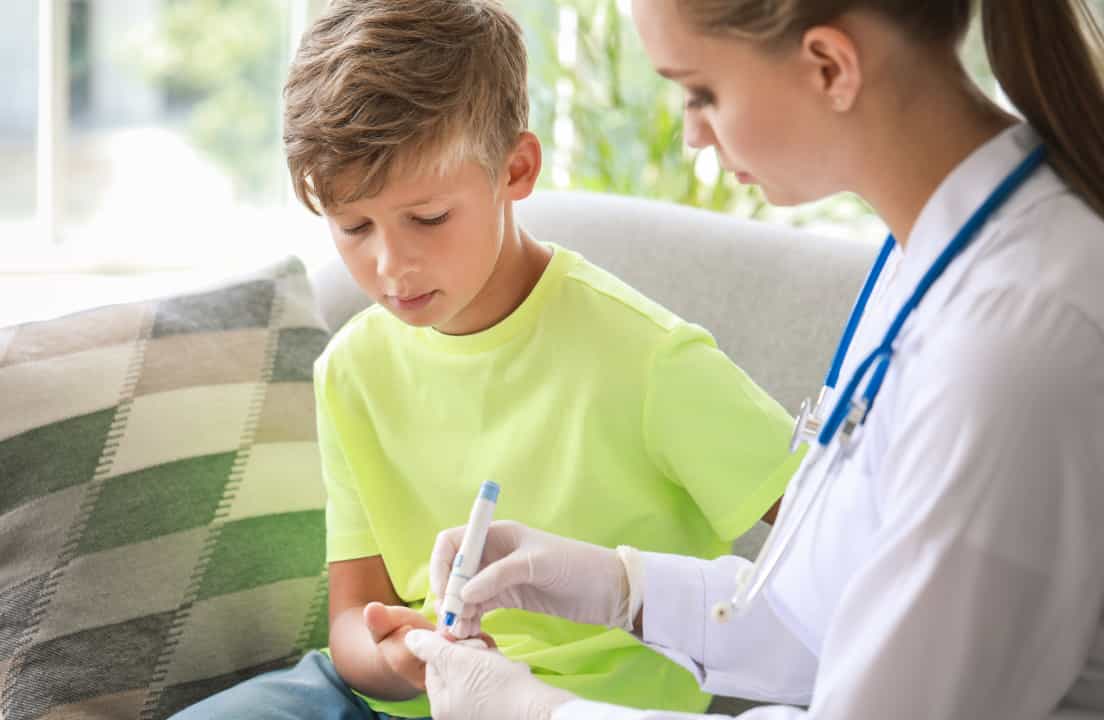
Paul and Nick reflected on the early years following Nick’s diagnosis at age 14, and how Nick recognized the signs and correctly diagnosed himself with type 1 diabetes. He went to his parents after noticing his sudden weight loss and nights of frequent urination.
Fortunately, the Pelosos started at an advantage. Paul was a doctor, and Nick’s mom was an intensive care nurse who saw a lot of kids brought in with diabetic ketoacidosis (DKA). So they knew medically what they were dealing with, but Paul recalled a heightened sense of fear in the whole family.
“Nick is extremely bright and capable, and he still had everyone bugging him all the time about whether he was doing the right thing,” said Paul. “We worried about his diet, and whether he was checking his sugars enough, and the lows at night; everybody is affected by that, trying to help, and also feeling helpless.”
Navigating Adolescence with T1D
The teen years with T1D bring a constant strain for parents and youths. The physical and mental burden of diabetes, raging hormones, and the transition to independence can all take their toll.
Parents of T1D teens may face the dilemma of hovering versus letting go. They want to support and foster independence, but it’s hard to know when to hand over the reins.
“His mom and I would have these debates all the time about how much to push or not push? We want him to be the best he can be, and we were back and forth on, are we overdoing it or underdoing it all the time?”
Facing Burnout Head-On
Nick said there was a brief period where he remembered thinking, “Well, this sucks. I don’t want to do this, but I quickly realized how different it felt to be in a normal range compared to being high, low and everything else. I have to test this many times a day, I have to take this many shots, I have to do these things, because not doing them is significantly worse.”
Nick, who received his master’s in engineering, expressed frustration with the limitations of T1D management. “It’s like you do everything right, and the highest accolade you’re going to get is ‘well-managed.’”
Paul remembered when Nick was around 18 and experienced a bout of burnout. “It was hard to watch as a parent, and every single diabetic I’ve ever talked to goes through that period, and they all say how grateful they are for the technology, but they’d do anything not to have diabetes.”
As parents, the Pelosos tried to focus on individuals thriving with diabetes. Nick added that when he was younger, Nick Jonas did more than anyone at the time to help T1Ds. However, today, it’s things like COUR research that he finds uplifting.
About COUR Pharmaceuticals
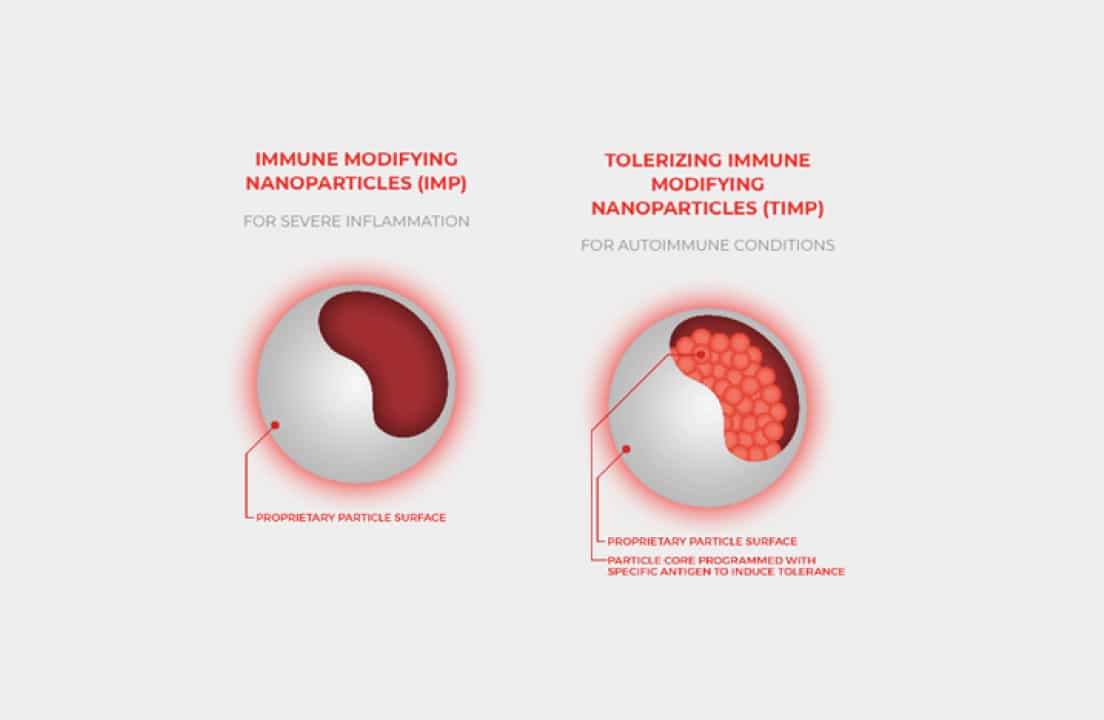
COUR Pharmaceuticals’ disease-modifying therapy, CNP-103, could change type 1 diabetes. The treatment aims to reprogram the immune system to halt the autoimmune destruction of insulin-producing pancreatic beta cells, potentially preserving the body’s natural insulin production and slowing disease progression.
How the Treatment Works
Immune Reprogramming
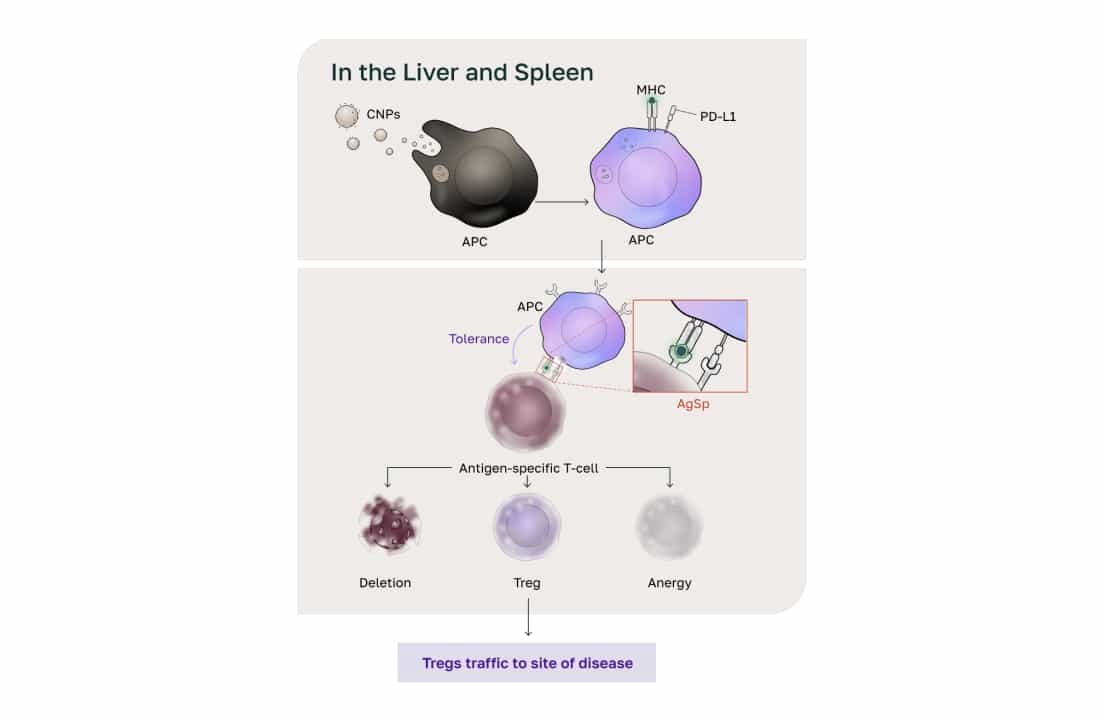
COUR’s CNP-103 uses biodegradable nanoparticles that carry multiple autoantigens to reprogram the autoimmune response. “We know that something in diabetes causes the immune system to attack itself, and the nanoparticle that we’ve discovered at COUR uses the body’s natural mechanism to say, this is me—this is self, you shouldn’t be attacking self,” explained Paul.
Preserving Insulin
“There’s this wonderful confluence of science that’s allowed us to approach stopping the inflammatory destruction of the beta cells in type 1 diabetes,” Paul added.
By halting the autoimmune attack, the therapy permits the pancreas to continue making its own insulin.
Current Status and Trials
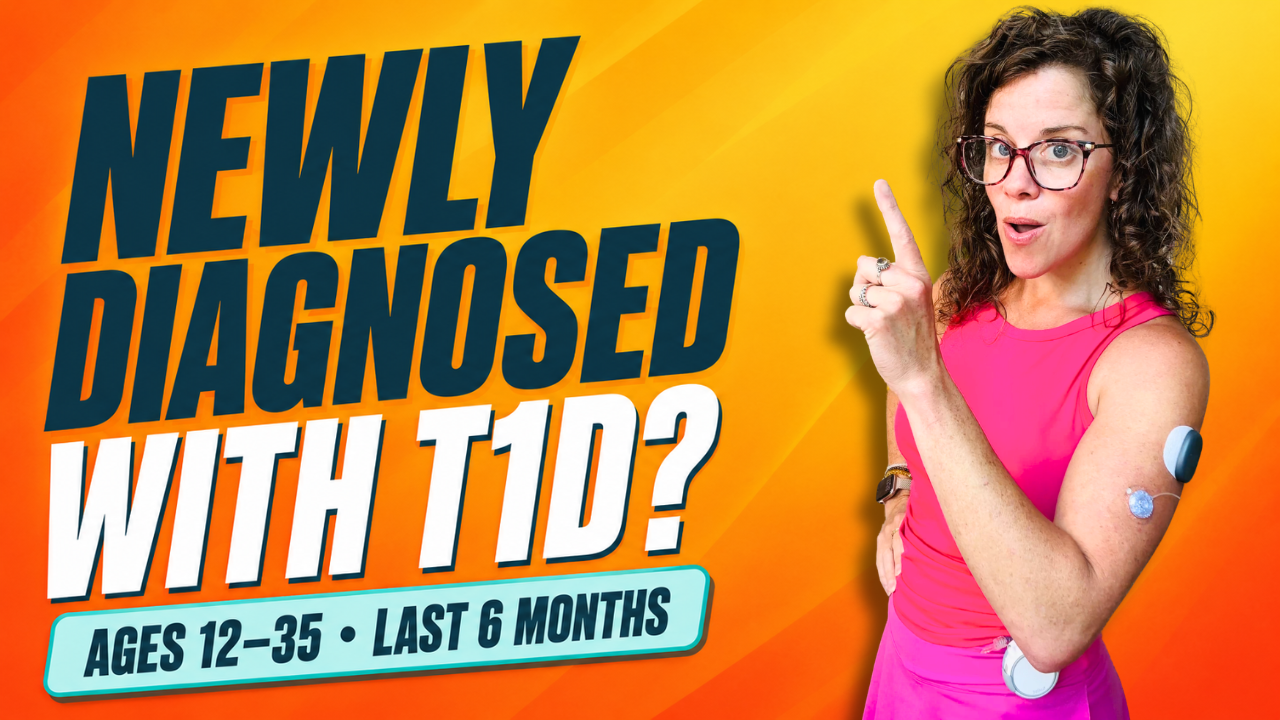
The FDA granted CNP-103 Fast Track designation for its potential to alter the course of the disease. Additionally, COUR is conducting a Phase 1b/2a clinical trial to evaluate the safety and efficacy of CNP-103 in adolescents (ages 12–17) and adults (ages 18–35) who have been recently diagnosed (within the last six months) with T1D. COUR is actively recruiting and enrolling for the trial. Check the trial site, which includes a screening form for prospective participants to assess eligibility.
Passion, Perseverance and Purpose
Paul added that working with COUR has made things extremely personal. “It’s this whole extra level of focus and wanting to go as quickly as possible. Also, it’s extremely rewarding as a parent and as a scientist. A boss at a former company would say, ‘We need to move quickly because patients are waiting,’ I reflect a lot on that now. It’s something that I feel both honored to be a part of but also a responsibility as well.”
“I think any parent would do everything they could do, so I feel like my dad did what any dad would do, or should do,” said Nick.
At the time of his diagnosis, he received some motivating words from his endocrinologist that he never forgot. “Treatment as it currently stands with insulin therapy is pretty great, so you’re going to be all right. The bad part is that you have diabetes, but the really good part of it is that I honestly believe you are among the very last generation of people and kids to have type 1 diabetes.”
“I’m greatly appreciative of it,” said Nick. “Because he spelled it out plainly.”
His physician also encouraged Nick to maintain the best possible health to position himself for future clinical trials. He said, “You want to do everything so you can put your hand up and say, ‘Me.’”
Transitioning to Adulthood
Nick said that what his parents did well in his diabetes management was to frame the conversations as more of a consultation. “It was never dictating what to do,” said Nick. “It’s a team sport, but you’re still the quarterback. We’ll advise, we’re here, but you make the call, you make the play, instead of being told.”
“I felt I still had agency and was still respected. It was a recognition that you can do this; of course, we’re worried, but you’ve got this.”
Nick, who’s in his 30s now, said that getting off his parents’ insurance wasn’t the hard part since he had coverage through work. However, what was difficult was the monetary burden of supplies and the logistics of managing insurance.
“As a young adult with type 1 diabetes, you have to look at the insurance plans, and you’re going to need routine specialist visits, expensive medications, and you’re going to need the most comprehensive coverage.”
Paul added, “It’s a complicated medical disorder, and people like Nick with type 1 have to become real experts at navigating the insurance system. I’m not afraid of Nick’s ability to advocate for himself, but nobody, in their 20s and 30s, should have to deal with the amount of time that he’s had to spend on the phone—it’s a lot. It’s one of the things that I have to say that I worry about.”
Advice to Parents and T1Ds Newly Diagnosed
“My advice is just to let them be kids. Let them find their passion and find ways to support them in what they choose to do,” said Paul. “I think we had missteps, because we were just worried, and worry comes out in strange ways when you’re a parent. When we allowed Nick to be in charge, that’s when things really changed.”
Nick encouraged newly diagnosed individuals to look into all available research. “If you have a chance to get into a trial, like COUR’s nanoparticles, do it, because the inconvenience of a few visits and a few injections or a few pills earlier, I would take that in a heartbeat.”
“I am confident that I’m going to spend a large portion of my remaining years being the diabetic boomer who’s going to say, I HAD type 1 diabetes,” said Nick. “I can honestly see a time when kids may get the COUR’s nanoparticle infusions, or they’re just taking a GLP-1 or another insulin-sensitizing boosting drug like once a week.”
“Don’t limit yourself, in terms of what you think is possible,” Paul concluded. “Everything is possible. It will just take more work than you might have hoped, but everything’s possible.”


.webp)




.jpeg)










.jpg)






.jpg)




.jpg)




%20(1).jpg)






.jpg)

.jpg)
.jpg)
.jpg)
.jpg)
.jpg)
.jpg)
.jpg)
.jpg)
.jpg)
.jpg)
.jpg)
.jpg)
.jpg)
.jpg)
.jpg)

.jpg)
.jpg)
.jpg)
.jpg)

.jpg)

.jpg)
.jpg)


.webp)
.svg)