


T1D Guide
T1D Strong News
Personal Stories
Resources
T1D Misdiagnosis
T1D Early Detection
Research/Clinical Trials
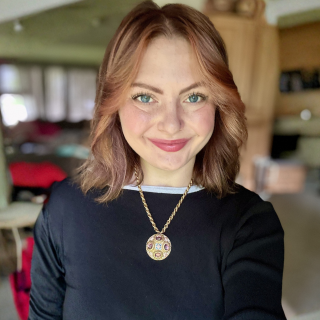
She Thought It Was Just Adult Life—Until Doctors Told Her She Was Lucky to Be Alive
Olivia blamed exhaustion on work, university and recovering from COVID-19. In reality, her body was shutting down, and she had no idea she was just days away from a life-threatening emergency.


The Symptoms She Never Thought Could Be Diabetes
Looking back, Olivia says the biggest mistake she made was believing that everything she was feeling was simply part of growing up. She had just started her first full-time job, had recently recovered from COVID-19, and assumed constant exhaustion came with adulthood.
Her symptoms actually began while she was quarantining at home in Italy after catching COVID-19. Isolated in her room, her mother left meals outside the door several times a day because Olivia never seemed able to satisfy her appetite. Even after recovering from the virus, her energy never returned. Instead, she felt weaker with each passing week.
When Olivia returned to the United Kingdom to continue her university studies, the blood test results from her doctors in Italy. They showed her blood glucose level was dangerously high and recommended she see an endocrinologist.
But the message came without any real sense of urgency.
Weeks passed as the fatigue worsened. She began wondering whether all of her strange symptoms might actually be connected, but getting a doctor's appointment during the pandemic was incredibly difficult. After calling day after day, she finally reached a general practitioner. Desperate to be taken seriously, she admitted she feared she might faint and emailed him her blood test results.
The doctor's reaction was immediate. "My God, you need to come in right now."
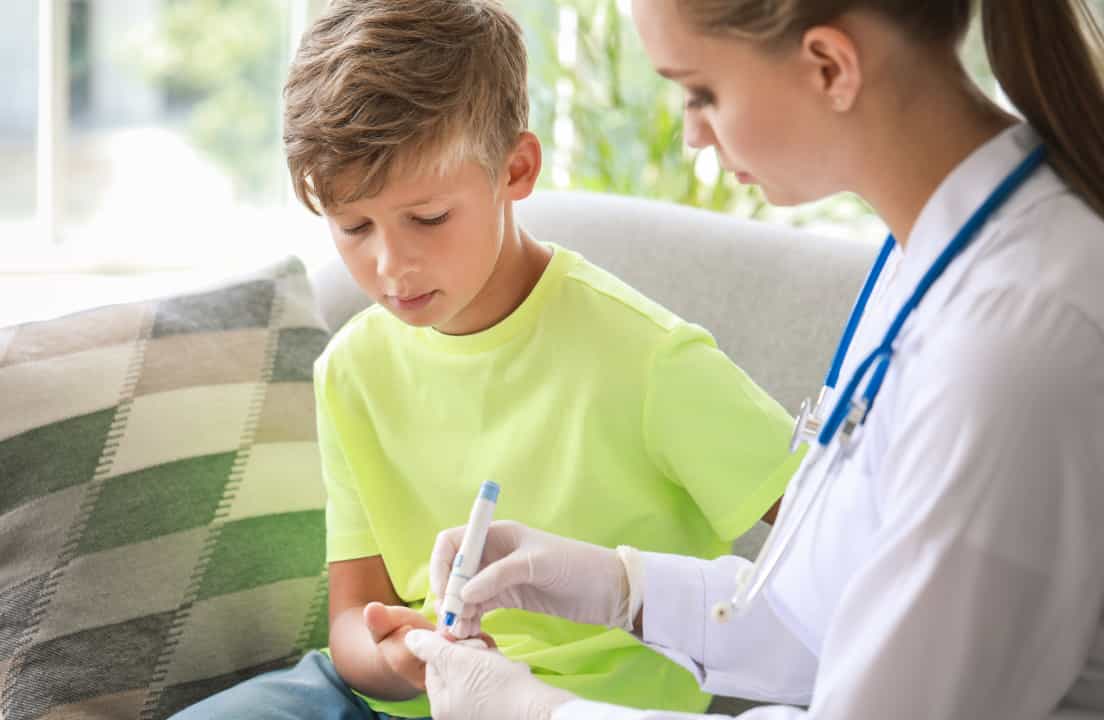
Olivia was sent straight to hospital where doctors confirmed she was in diabetic ketoacidosis (DKA), a severe and potentially fatal complication of type 1 diabetes (T1D). Their words have stayed with her ever since: it was a miracle she was still standing and hadn't already collapsed.
Because hospitals were overwhelmed by COVID-19 patients, there was no room in the diabetes ward. Instead, she spent the night in the kidney department, connected to intravenous fluids while listening to seriously ill patients around her.
Olivia was discharged the following day, but the emotional impact of hearing she had T1D—and how close she had come to losing her life—was only just beginning.
Why Catching Type 1 Diabetes Earlier Can Save Lives
After everything she went through, Olivia has become a strong believer in the importance of early diagnosis and screening.

Although she was already in DKA by the time she reached the hospital, she still considers herself fortunate. Doctors were able to intervene before her condition became irreversible, and she knows many people are not as lucky.
Since her diagnosis, she has heard heartbreaking stories from others in the diabetes community—people who were diagnosed only after falling into a coma, spending days in intensive care or losing loved ones to undiagnosed type 1 diabetes.
Those stories reinforced just how dangerous DKA can be and how quickly it can develop when symptoms go unnoticed or are mistaken for something less serious.
She also points out that surviving DKA is only the beginning. The physical recovery can take months, and the emotional impact often lasts much longer.
The Weight of a T1D Diagnosis
Beyond learning how to manage insulin, blood glucose, and daily routines, many people have to process the trauma of discovering they came close to losing their lives without realizing it. For Olivia, understanding how sick she had actually been was almost as overwhelming as receiving the diagnosis itself.
That experience has convinced her that greater awareness could change countless lives. If more people—including parents, teachers and healthcare professionals—recognized the early signs of type 1 diabetes, many patients could begin treatment before reaching a medical emergency.
Earlier diagnosis would not only spare individuals and families the fear of a life-threatening crisis, but would also reduce emergency hospital admissions and intensive care stays. In Olivia's view, no one should have to discover they have type 1 diabetes only after their body has reached its breaking point.
Living Between Two Countries and a Diagnosis That Came Late
Olivia’s situation became even more complicated because her life was split between two countries. Her family was in Italy, but she was studying in the United Kingdom.

The first blood tests showing something was wrong were conducted in Italy, and the results were then sent to the UK.
When Healthcare Systems Don’t Align
What should have been a straightforward follow-up turned into a slow, confusing process of communication across different healthcare systems. She remembers delays, unclear messages, and a lack of urgency that made it easy to underestimate the seriousness of her condition.
In practice, she was falling through the gaps between two systems that weren’t fully aligned. By the time she was finally seen by a doctor in the UK, her symptoms had already progressed to a dangerous level.
Technically, her formal diagnosis happened there, in the hospital where she was admitted in diabetic ketoacidosis, but the path leading up to that moment had been anything but direct.
What She Would Change If She Could Go Back
When Olivia thinks about that period now, she is clear what she would do differently. She would have pushed for medical attention much earlier instead of waiting for symptoms to become unbearable.
She would have trusted her instincts instead of dismissing her exhaustion as stress or “normal adult life.” Most importantly, she would not have allowed things to escalate to a point where she needed emergency treatment to find out what was wrong.
That reflection is not about blame, but about awareness.
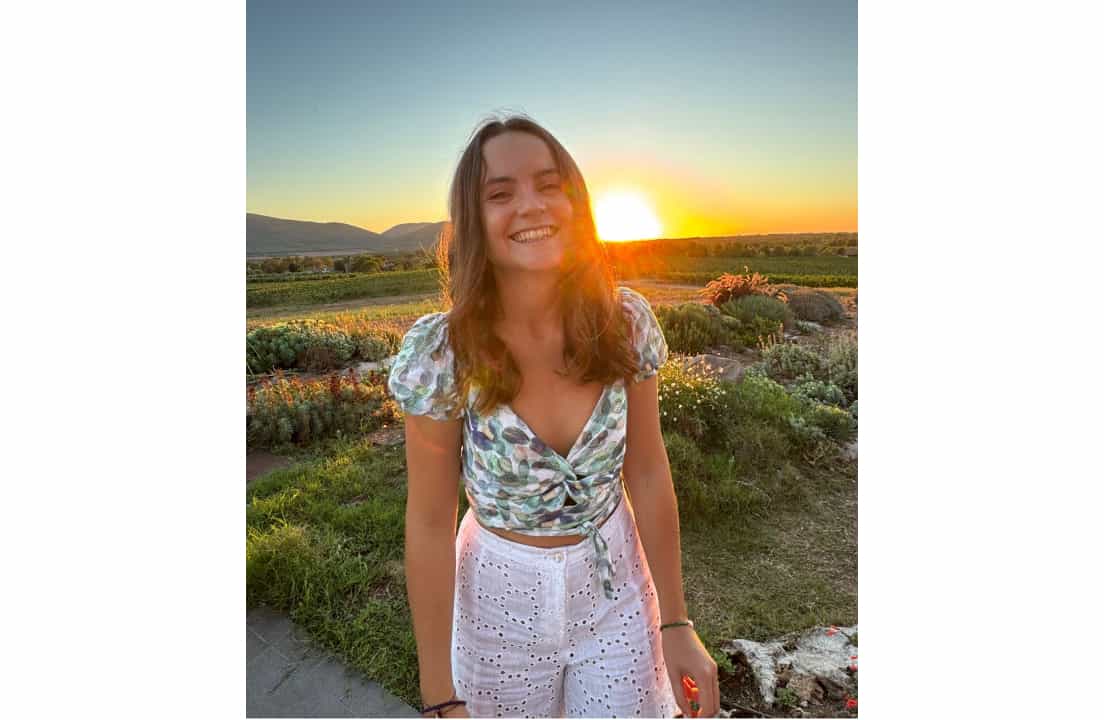
She now understands how easy it is to normalize serious symptoms when life is busy, stressful, or uncertain. If anything, her experience has made her more determined to listen to her body sooner and encourage others to do the same.
The Family That Almost Missed It
Looking back, Olivia realizes that the changes in her health were not completely invisible to others. Her grandmother, in particular, noticed something was wrong. About two months before her diagnosis, she commented that Olivia looked far too thin and gently asked if she was eating properly.
Olivia reassured her that she was eating constantly, which was true—but it didn’t explain what was happening inside her body.
No one else fully connected the dots at the time. Friends and family saw pieces of the puzzle—fatigue, weight loss, changes in appetite—but without medical knowledge, none of it pointed clearly to diabetes.
Today, Olivia believes those external observations could have helped trigger earlier action if the condition had been better understood.
Letting Go of Guilt and Learning to Move Forward
One of the hardest parts of her diagnosis came in the hospital, when fear quickly turned into self-blame. Olivia remembers lying in bed, convinced that she had somehow caused her illness. She questioned everything she had done, wondering if stress, diet, or lifestyle had pushed her body into this state. That feeling of guilt was immediate and overwhelming.
Over time, she learned that type 1 diabetes is not something caused by behavior or personal choices. It is an autoimmune condition, still not fully understood, and it can develop regardless of how carefully someone lives.
That realization became an important turning point. It didn’t erase the difficulty of living with the condition, but it removed the weight of self-blame that made everything harder to process.
Olivia now speaks openly about that experience because she knows how common it is for newly diagnosed people to feel responsible for something they never had control over. For her, understanding that truth was essential to moving forward and rebuilding confidence in her own body.

Finding Strength in Community
Since Olivia was diagnosed during COVID-19, her experience of type 1 diabetes began in isolation. There were lockdowns, restrictions, and very few opportunities to meet others living with the condition. For a long time, she managed everything alone, even while surrounded by supportive friends and family who did their best to help.
It wasn’t until years later that she fully understood the value of connecting with others who have T1D. Speaking with people who truly understand the daily reality of the condition changed everything.
There is a different kind of comfort in not having to explain every detail or justify every decision about blood sugar, food or insulin. Conversations become simpler, lighter and more honest.
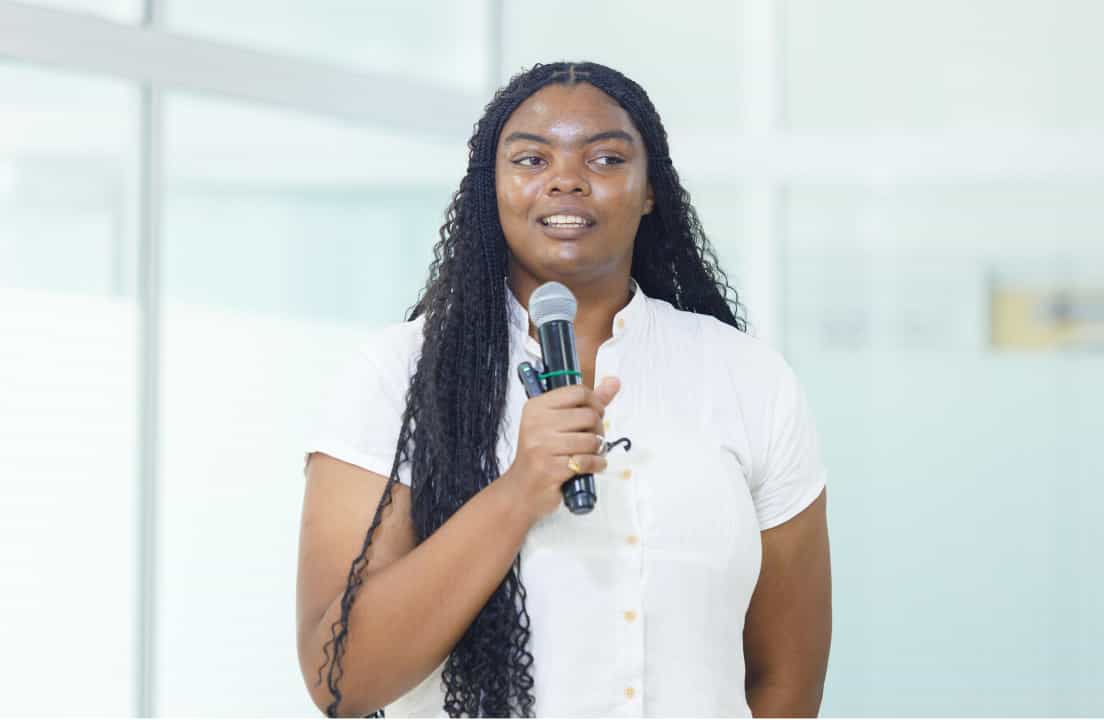
Now, she encourages others to seek out that same sense of community. She is part of the strategic committee and content lead for Voices in Action (VIA) Diabetes. In her view, shared experience doesn’t just provide information—it reduces isolation in a way that even the most supportive non-diabetic friends cannot fully replicate.

A Quiet Kind of Courage
Olivia’s story doesn’t end with a dramatic transformation or a perfect resolution. She now understands that strength is not always visible. Sometimes it looks like calling a doctor repeatedly until someone listens.
Sometimes it looks like surviving a night in hospital without knowing if you arrived too late. And sometimes it simply looks like getting through an ordinary day while managing something most people will never understand.
Serious illness doesn’t always announce itself clearly. It can look like fatigue, stress or “just life”. And in that space between misunderstanding and diagnosis, awareness can be the difference between danger and survival.


.webp)
.jpeg)
.webp)















.jpg)






.jpg)



%20(1).jpg)



.jpg)
.jpg)
.jpg)
.jpg)
.jpg)
.jpg)
.jpg)
.jpg)
.jpg)
.jpg)
.jpg)
.jpg)
.jpg)
.jpg)
.jpg)

.jpg)
.jpg)
.jpg)
.jpg)
.jpg)

.jpg)
.jpg)
.jpg)
.jpg)

.jpg)
.jpg)

.jpg)
.jpg)


.jpg)


.webp)
.svg)