


T1D Guide
T1D Strong News
Personal Stories
Resources
T1D Misdiagnosis
T1D Early Detection
Research/Clinical Trials
One Mother's Story: How T1D Scout Screening Helped Her Family Catch Type 1 Diabetes Earlier
Kenzi Nelson screened both her daughters for type 1 diabetes at home. What the process was like, what she learned, and how her family planned next steps.
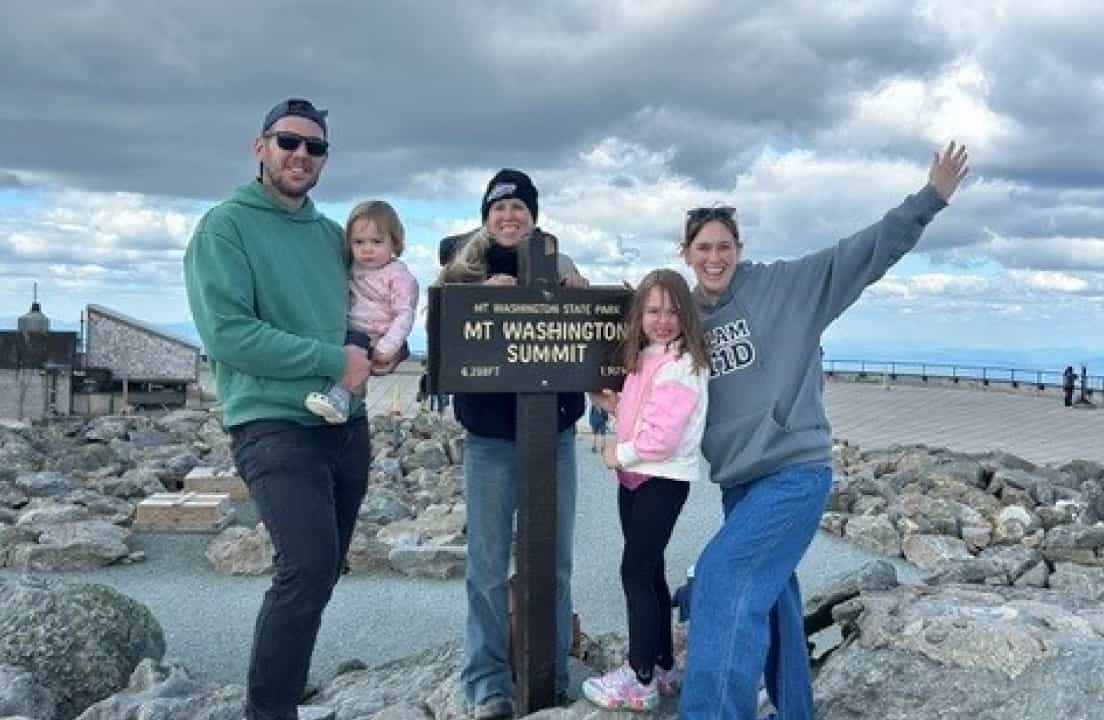
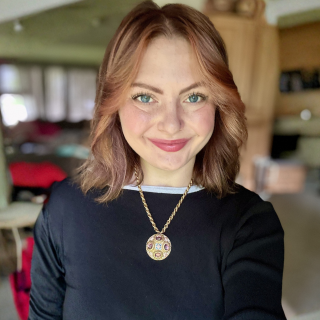
Like nearly 90% of families affected by T1D, they had no known family history. The diagnosis came after months of symptoms that ultimately progressed to diabetic ketoacidosis (DKA), a serious and potentially life-threatening complication of a delayed T1D diagnosis.
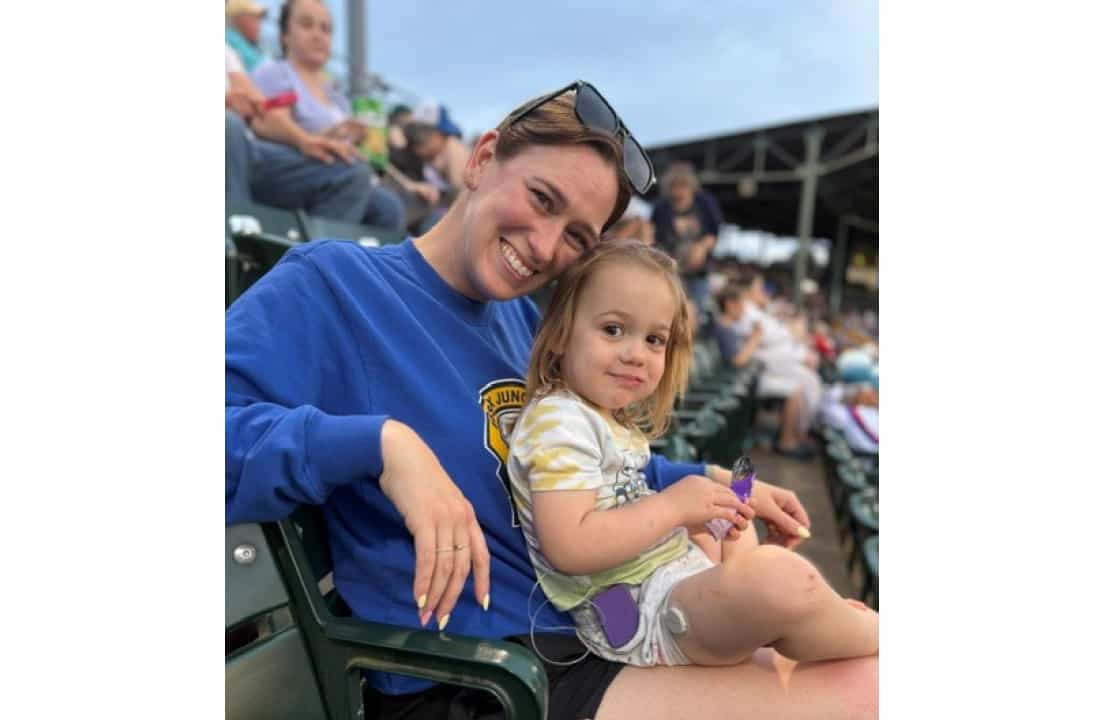
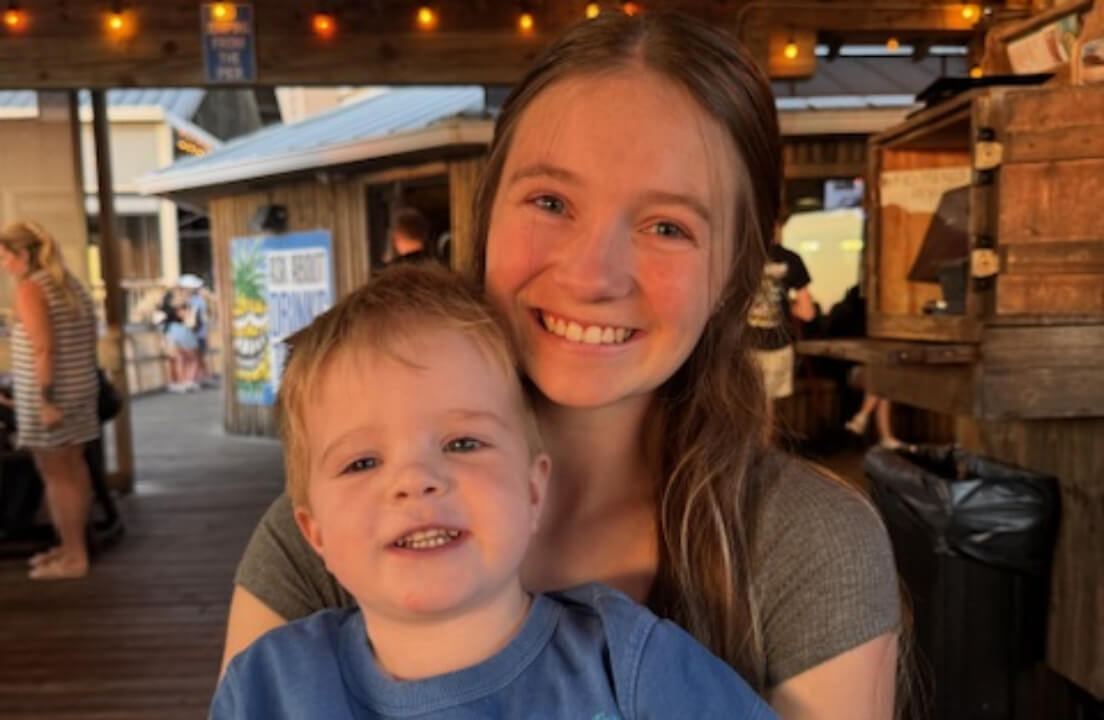
When Kenzi's youngest daughter, Emma, was born just one month after her older sister's diagnosis, she knew she wanted a different path if diabetes ever became part of Emma's story.
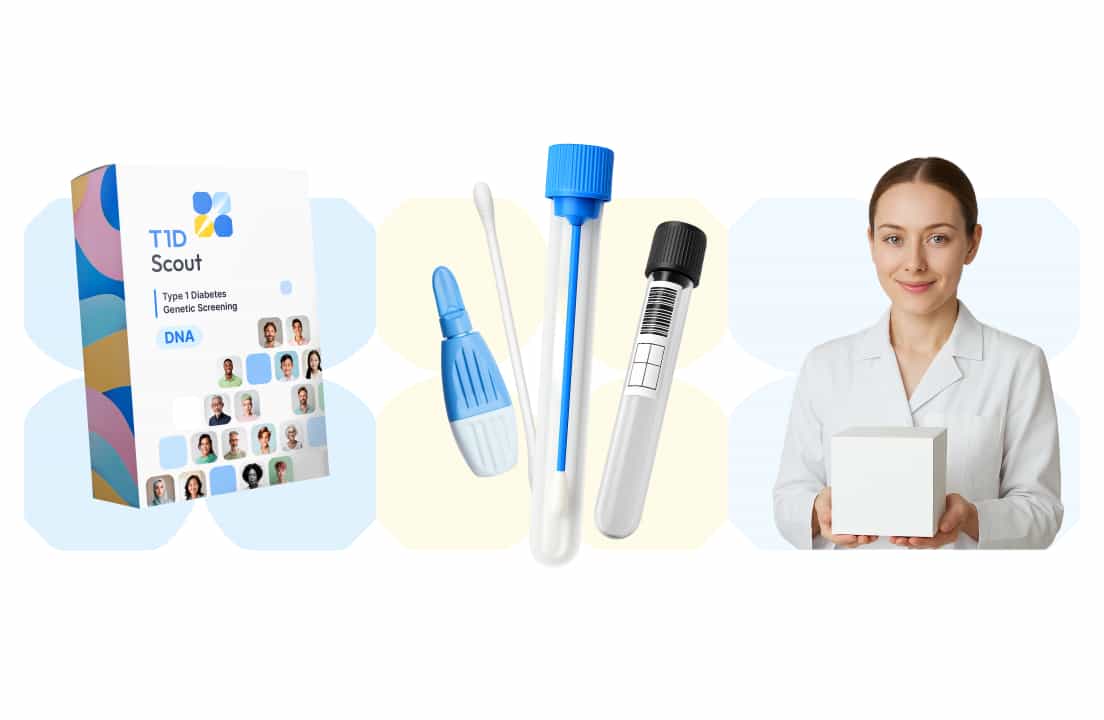
That path eventually led her to T1D Scout. T1D Scout analyzes genetic risk for T1D starting with just a saliva swab from the comfort of home.
Just one month after receiving her screening results, Emma began insulin therapy. Instead of an emergency room visit and DKA diagnosis, her family entered this chapter with awareness and an established relationship with an endocrinologist.
For Kenzi, that made all the difference.
Learning from a Difficult First Diagnosis
Kenzi remembers how unexpected her oldest daughter's diagnosis felt. "It is not genetic in our family that we are aware of," she said. "We do not know anyone in our bloodline that has type 1." Looking back, she remembers noticing symptoms and bringing concerns to her child's primary care provider. Everything appeared normal at the time.
"There was no follow-up, and three months later, there was a DKA diagnosis. Certainly not the entry that we would ever want for anyone to go through again."
That experience shaped every decision the family made after Emma was born.
"Immediately, that was one of our first questions: How do we test her? How do we make sure that she's okay? How do we follow her? We wanted to make sure that we were doing all the right things and preventing a DKA diagnosis if that was her future."
Looking for an Option that Fit a Toddler
As Emma grew, Kenzi explored available screening options.
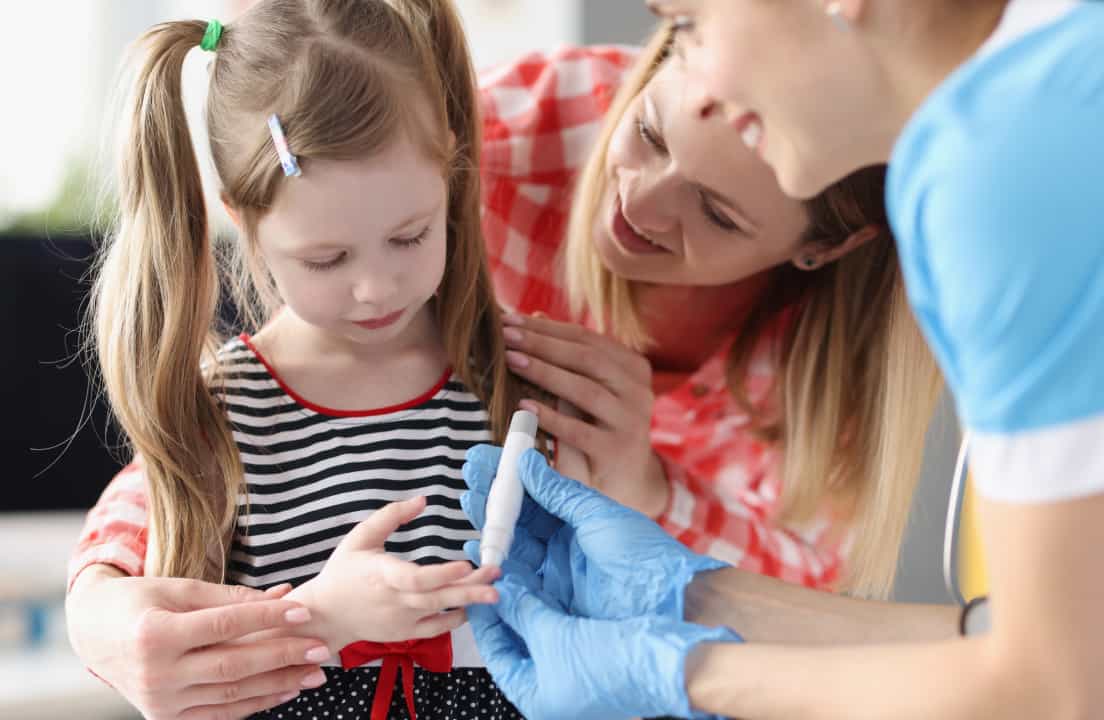
She already had another screening kit at home that relied on a fingerstick blood sample. While that approach wasn't concerning for adults, it felt much more difficult for a young toddler. "The constant squeezing and doing a blood test didn't feel ideal on a child so small," she said. "We just kind of delayed using it on her."
While researching online and connecting with others in the diabetes community, she came across T1D Scout. "What appealed to me was that it was very child-friendly. Just doing a saliva test ultimately felt like an easier step. Of course, there is a small poke later to get additional information, but the swab itself just to get started felt much easier."
When asked whether the saliva collection made screening feel more approachable, her answer was immediate. "Absolutely. No doubt."
Trusting Her Instincts
Even after the kit arrived, it sat unopened for a couple of weeks.
Then October arrived. For Kenzi, the month carried painful memories because it was when her oldest daughter first began showing symptoms before her eventual diagnosis. "It sparked a lot of emotion and memory," she said. "We have this test. Why is it sitting here? We should just use it."
She also couldn't shake a feeling that something wasn't quite right with Emma. "I always had this feeling that she looked a little bit sick to me, and I couldn't put my finger on it." Emma wasn't obviously losing weight, but she also wasn't growing the way Kenzi expected.
"I didn't feel like she was progressing weight-wise much after her 18-month visit. She wasn't gaining. She was losing that baby chub a little too early."
Those subtle changes convinced her it was time to complete the screening.
Information Before an Emergency
Kenzi understands why some parents hesitate to screen. Learning that your child is at risk for T1D can feel overwhelming. But after experiencing a DKA diagnosis firsthand, uncertainty became more frightening than knowing.
"I relate completely," she said. "Having done that and knowing what that feels like and what that puts your kid through, having that experience be your first of a lifetime medical journey is not where we would want any child to start." She continued, "This was something that we felt strongly about doing to make every effort to know in advance and know how to catch it early. And we did."
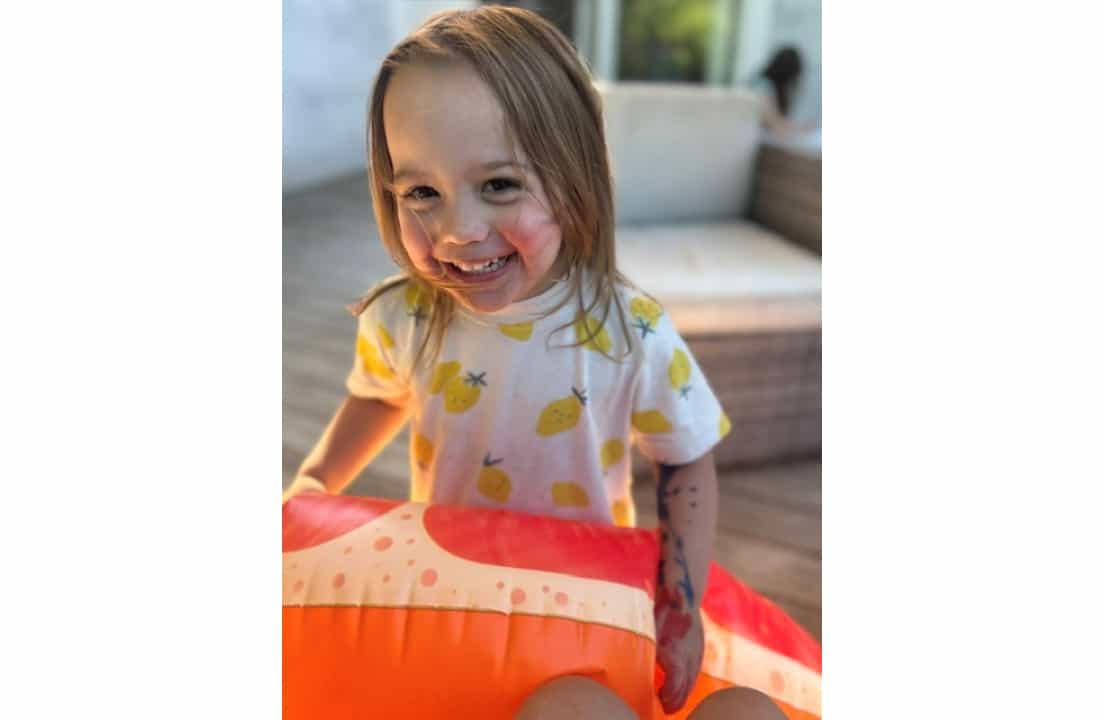
A Month that Changed Everything
The screening results allowed the family to move quickly. Because they already had an endocrinologist caring for their oldest daughter, they were able to schedule an appointment almost immediately. "We were able to get a continuous glucose monitor (CGM) on her because of our T1D Scout results," Kenzi said. "Getting that on her right away was a huge comfort for us to start gathering data and knowing what to do next."
Within a month, Emma had started insulin. Kenzi says the difference between her daughters' diagnoses wasn't that one was easy, and the other wasn't.
"No diagnosis is easy," she said. "They both were hard in different ways."
The emotions still came. "The second time I was just mad," she admitted. "You're still going to go through a grieving process and all of the stages that you need to."
What changed was the ability to prepare.
"Knowing that they are safe and healthy and you're able to continue to monitor them and keep them as safe as possible, to me, is everything."
Screening Doesn't Change the Destination, But it Can Change the Journey
One of the biggest lessons Kenzi took away is that screening creates options.
Although early screening cannot prevent T1D, identifying risk before clinical diagnosis may allow families to work closely with specialists, monitor for changes, and explore whether they qualify for therapies or clinical trials designed to delay the onset of Stage 3 T1D.
"There are options," Kenzi said. "You may still inevitably come across the ultimate diagnosis eventually, but could you delay it a year? Could you kind of wrap your head around the process? That's a personal decision, but it's a decision you get to have."
For her, simply having that opportunity mattered.
Why Awareness Matters
Today, Kenzi believes conversations about T1D screening should begin much earlier. She would like to see screening become a routine part of pediatric care. "I think it's incredibly important. Screening seems very important for everybody."
Reflecting on her oldest daughter's diagnosis, she still wonders whether more awareness could help other families avoid DKA. "I've made my voice known, and I hope that spreads in the community. I just think that there is more that can be caught instead of having a scary diagnosis."
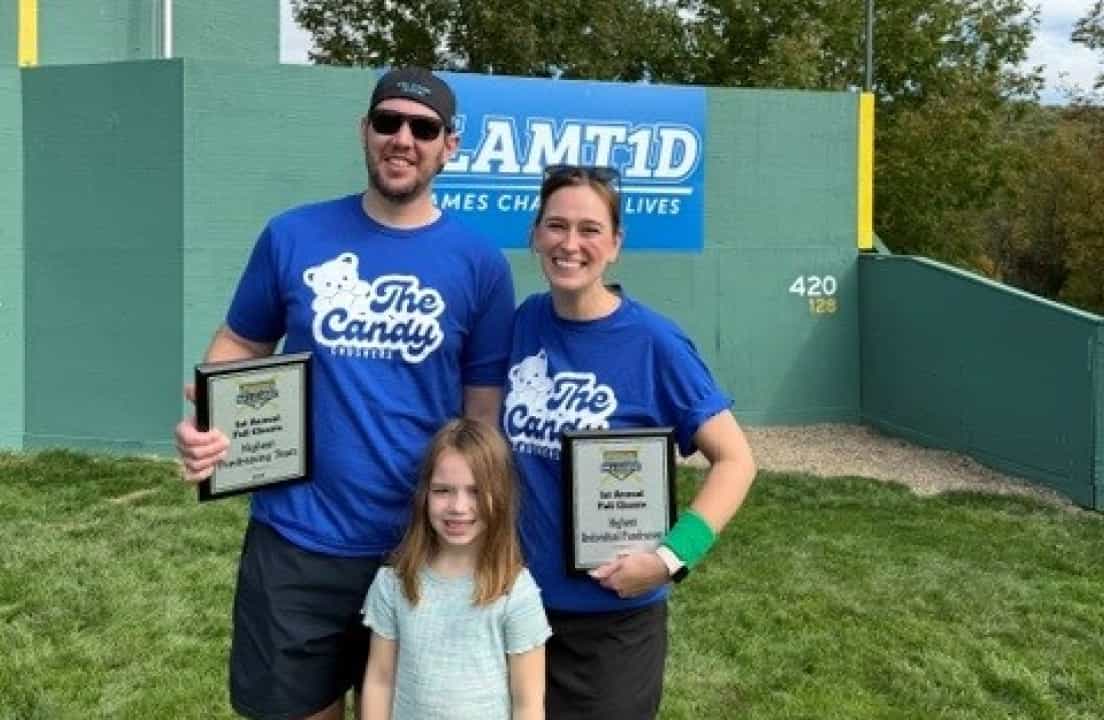
She also recalls being told to wait until Emma turned two before pursuing certain screening options. "That just didn't sit well with me," she said. "Her body information would be there. That's why I pushed for T1D Scout when we saw it. I wanted to know sooner."
Two Girls, One Very Full Life
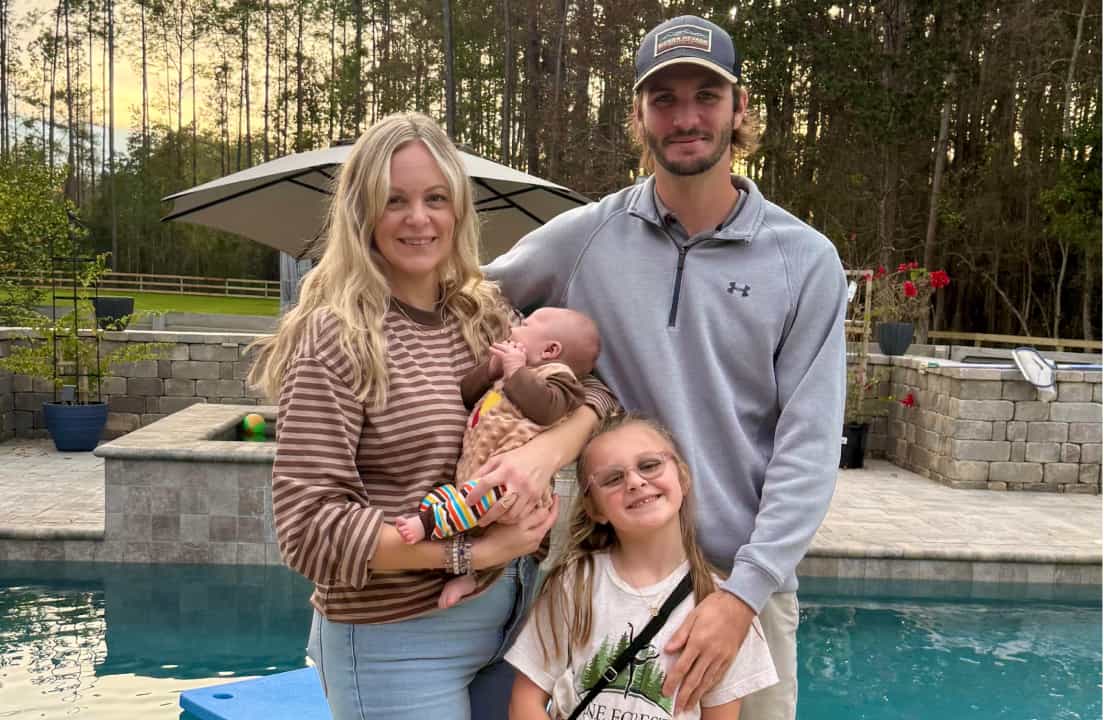
Today, both of Kenzi's daughters use insulin pumps and CGMs. Managing diabetes for a two-year-old and a six-year-old looks very different.
"It's busy," she laughed. "One is much younger and doesn't fully communicate. Our oldest understands. She tells us how she feels." Between school nurses, daycare, camps, pump management, and countless text message conversations, life requires constant coordination.
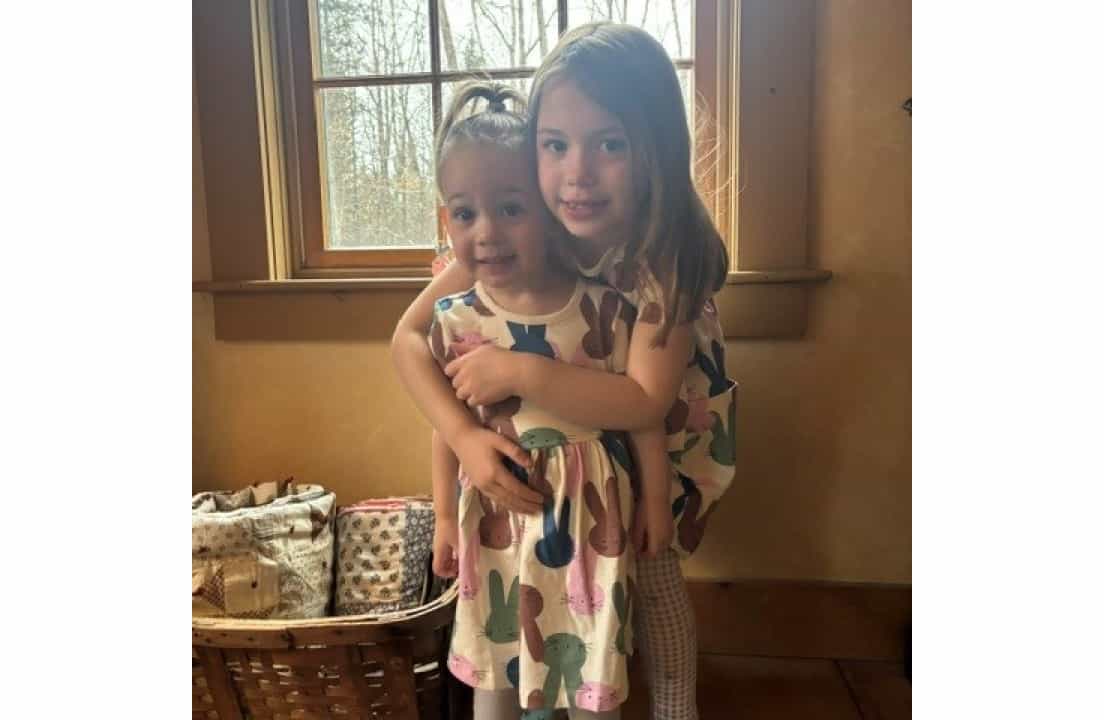
Still, Kenzi says one principle guides everything they do. She wants her daughters to experience childhood first.
"When you see a smile on your child's face when they're eating cotton candy because you said yes, that's the most important thing."
Instead of letting diabetes dominate every moment, she and her husband work behind the scenes. "We can do the work to figure it out so that they just follow the crowd. Pulling back and doing things behind the scenes to make life and childhood as normal as possible is the biggest key."
"We can do all the hard things for them for now."

A Message for Other Parents
Reflecting on her journey, Kenzi doesn't downplay how challenging either diagnosis was; instead, she offers comfort by sharing her personal experience. "I know it's annoying to hear this," she said, "but everything will be okay. It doesn't feel okay in the moment, and it won't for a while. It's hard work, and you will go through the hard work because your children are everything."
Kenzi embodies turning lemons into lemonade with T1D.
"Eventually, it will be okay. It will become the norm. They're going to be happy and lively because of you. They'll do all the things they want to do."
For Kenzi, that's ultimately what screening provided—not certainty or an easier diagnosis, but a chance to meet it with preparation instead of crisis. "We are forever grateful," she said. "That one little test came to our mailbox. We knew we needed it. We got the results back, and a month later, she was on insulin. We were able to make choices and get her where she needed to be healthy."


.webp)

.webp)

.jpeg)














.jpg)






.jpg)



%20(1).jpg)



.jpg)
.jpg)
.jpg)
.jpg)
.jpg)
.jpg)
.jpg)
.jpg)
.jpg)
.jpg)
.jpg)
.jpg)
.jpg)
.jpg)
.jpg)

.jpg)
.jpg)
.jpg)
.jpg)
.jpg)

.jpg)
.jpg)
.jpg)
.jpg)

.jpg)
.jpg)


.jpg)
.jpg)


.jpg)
.jpg)
.jpg)


.webp)
.svg)