


T1D Guide
T1D Strong News
Personal Stories
Resources
T1D Misdiagnosis
T1D Early Detection
Research/Clinical Trials
ChatGPT Helps Uncover Type 1 Diabetes Following a Type 2 Misdiagnosis
When Lisa Chalker was diagnosed with diabetes at age 59, she assumed her doctors had it figured out. After all, that's what most of us do. We trust that the diagnosis is correct. We follow the treatment plan. We try harder when things aren't working. For nearly three years, Lisa did exactly that. But despite doing everything she was told to do, her blood sugars kept getting worse. Eventually, it wasn't a doctor who helped her find the answer. It was ChatGPT.

The Symptoms Were Impossible to Ignore
Looking back, Lisa said the signs were all there. She was constantly thirsty. Not just thirsty—but desperately thirsty.
"I had to have ice-cold water all the time," Lisa recalled. "I was drinking so much water that I felt bloated."
She was also waking up repeatedly with painful leg cramps. Her vision was changing rapidly.
"My eye doctor actually told me I should get checked for diabetes," she said. "I thought he was crazy."
At the same time, she was experiencing numbness and pins-and-needles sensations in her feet and toes. Then came the weight loss. Between November 2022 and April 2023, Lisa lost 50 pounds.
"My mom said, 'Something is wrong. You're eating terribly, and you're losing all this weight.'"
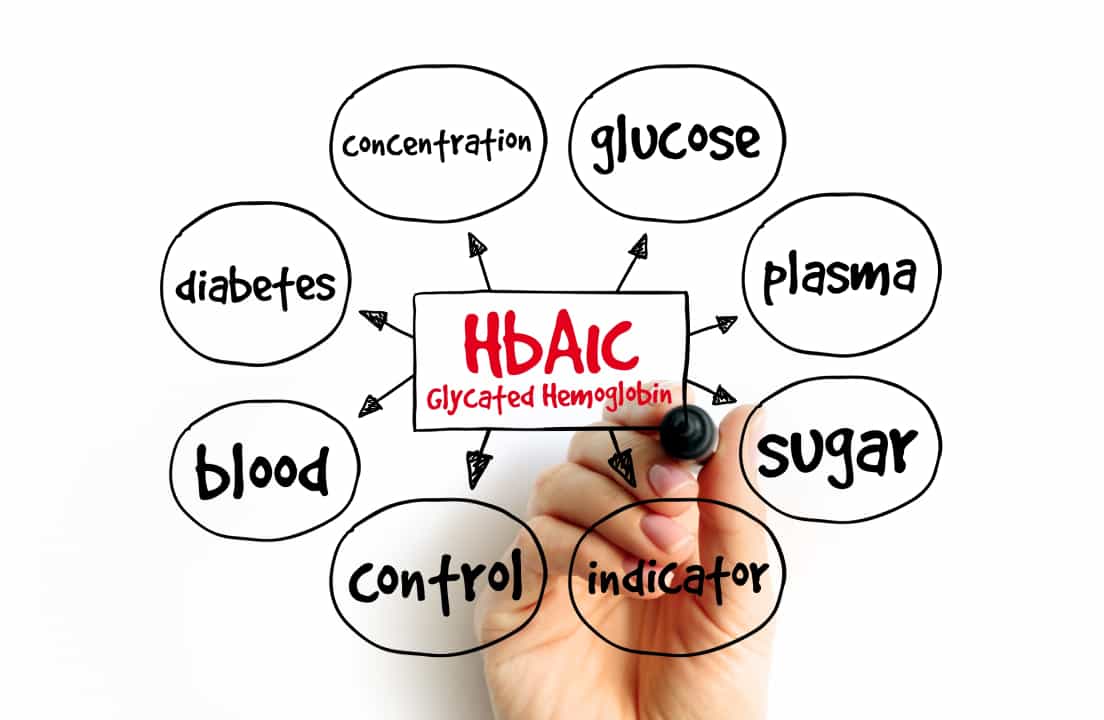
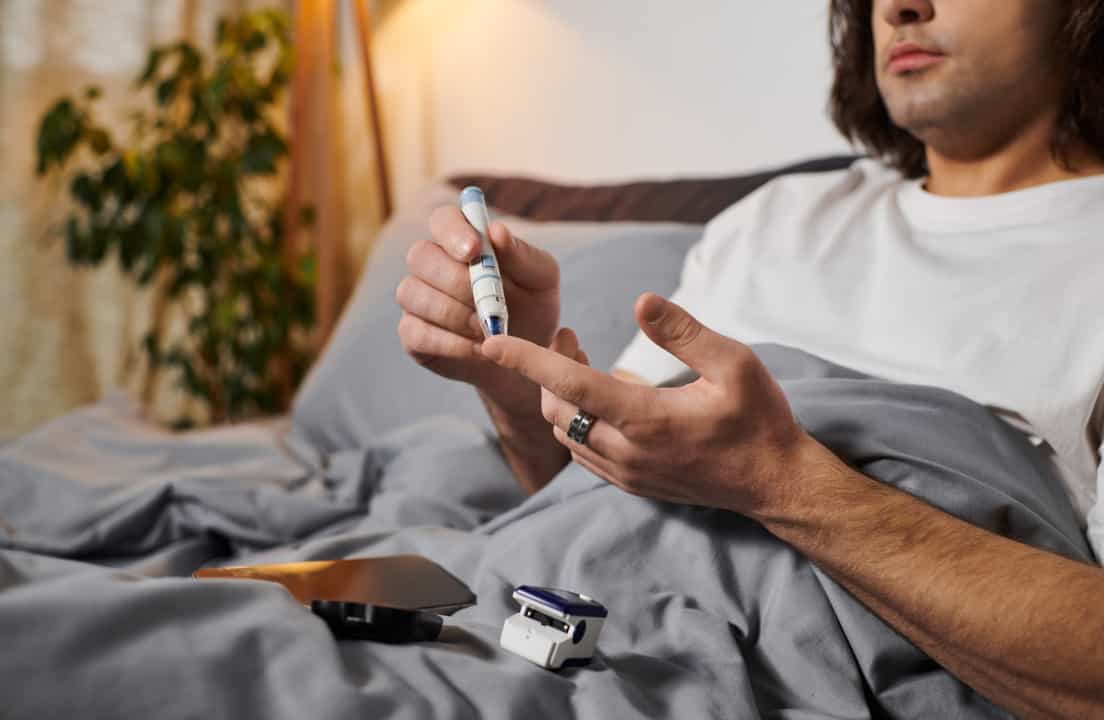
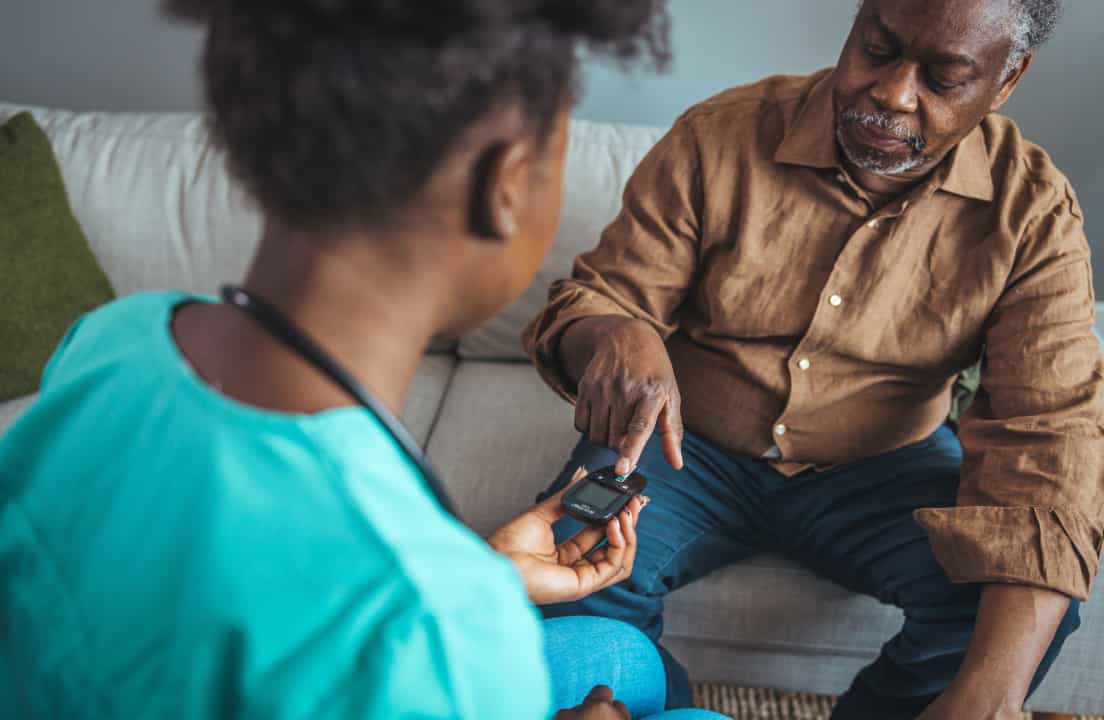
When her A1C results came back, the number was shocking: 13.7%. Soon after, she started checking her blood sugar with a glucose meter. "The readings were over 550 mg/dL," she said. She was in diabetic ketoacidosis (DKA). "My husband was pricking his own finger because he thought the meter had to be wrong."
It wasn't.
.jpg)
Diagnosed With Type 2 Diabetes
Like many adults diagnosed with diabetes later in life, Lisa was assumed to have type 2 diabetes (T2D).
Her doctors started her on:
- 26 units of long-acting insulin (Lantus) once daily
- Metformin 500 mg twice daily
Determined to improve her health, Lisa threw herself to diabetes management.
"I was really angry at myself," she said. "I thought this was my fault."
Her efforts appeared to pay off. Within six weeks, her A1C dropped from 13.7% to 5.7%.
But the success didn't last.
When Everything Stops Making Sense
Over time, Lisa's blood sugars began creeping up again. Despite following her treatment plan carefully, her A1C eventually climbed to 8.4%.
"I kept thinking, what the heck? I'm doing everything I'm supposed to do."
Instead of investigating why, her healthcare team increased her insulin dose.
Eventually, she was taking 36 units of long-acting insulin every day.
"It wasn't helping."
As her blood sugars worsened, Lisa became increasingly restrictive with food. "I was eating fewer than 1,000 calories a day trying to get my numbers down."
She repeatedly asked about mealtime insulin. She repeatedly asked for help. And she felt like nobody was listening.
The Rabbit Hole That Changed Everything
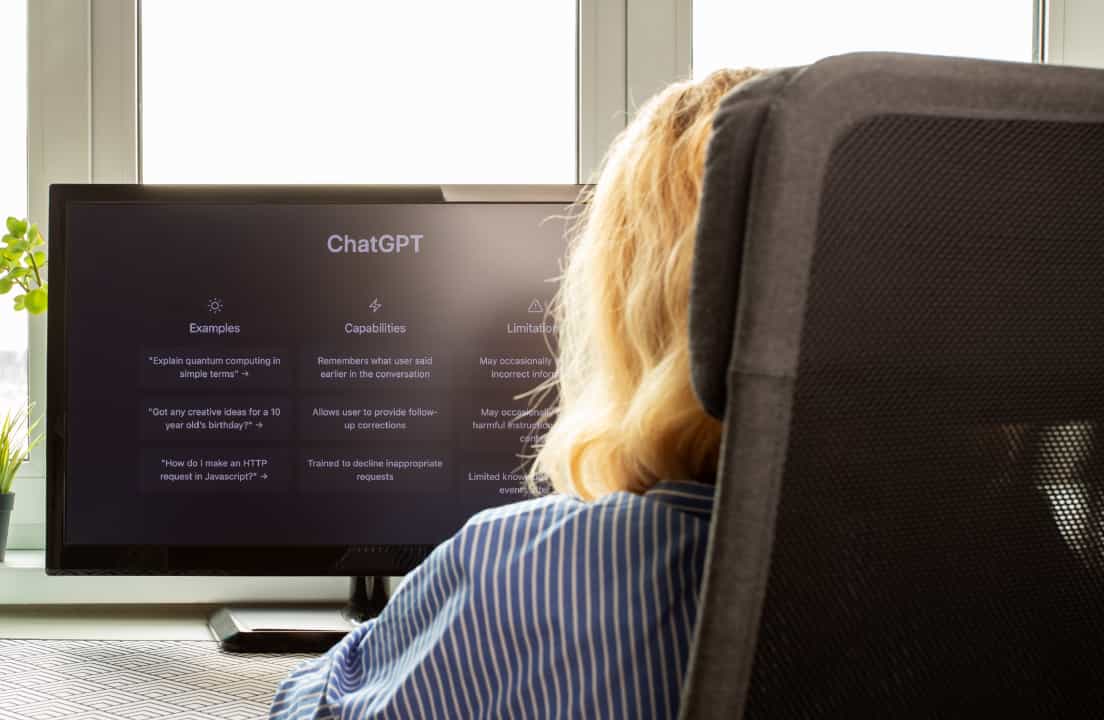
Frustrated and desperate for answers, Lisa turned to ChatGPT. She entered her blood sugar patterns, explained what was happening, and asked questions.
Again and again.
"ChatGPT encouraged me to ask for additional testing, especially a C-peptide test."
A C-peptide test measures how much insulin your pancreas is still producing. When Lisa finally had the test done, her result was 0.4 ng/mL.
Normal levels generally start around 0.8 ng/mL or higher. Yet nobody mentioned the possibility of latent autoimmune diabetes in adults (LADA), a form of type 1 diabetes that develops gradually and is frequently misdiagnosed as type 2 diabetes.
"I went down a rabbit hole researching," Lisa said.
The more she learned, the more the pieces started fitting together. She had been misdiagnosed.
What is LADA?
LADA stands for latent autoimmune diabetes in adults. Like traditional type 1 diabetes, it's caused by an autoimmune attack on the insulin-producing beta cells in the pancreas.
The difference is that the progression is often slower. Many adults with LADA are initially diagnosed with type 2 diabetes because they are older when symptoms begin.
But over time, their ability to produce insulin continues to decline. As a result, treatments that primarily target insulin resistance often stop working.
The person eventually needs insulin replacement therapy because their body simply isn't making enough insulin anymore.
"ChatGPT was My Doctor"
As Lisa continued searching for answers, she said artificial intelligence became an important educational tool.
"I would tell ChatGPT what was happening with my blood sugar, and it would help me understand what might be going on."
Eventually, she asked (practically begged) for different insulin options.
She pushed for Tresiba.
She pushed for Humalog.
When she finally received mealtime insulin, she said she was initially prescribed only three units per meal.
Still, she kept researching.
She kept asking questions.
And she kept looking for someone who would take her concerns seriously.
"If I didn't have ChatGPT, I don't think I would've gotten C-peptide testing. I don't think I would've gotten different types of insulin."
Importantly, Lisa isn't suggesting AI should replace healthcare professionals.

Instead, she believes it helped her learn enough to ask better questions and to advocate for herself when something didn't add up.
Finally Seeing an Endocrinologist
In May 2026, Lisa finally saw an endocrinologist. By then, her C-peptide had fallen even further—to 0.2 ng/mL. The endocrinologist immediately recognized what was happening.
"You clearly have LADA."
For the first time, Lisa said she felt seen. The diagnosis finally matched her experience. The treatment plan changed. And she was started on an insulin pump. The results were dramatic.
"My insulin needs are about half of what they were before I got the right diagnosis."
The Emotional Impact of a Misdiagnosis
For Lisa, the biggest change wasn't just physical. It was emotional. For years, she blamed herself. She believed she had somehow caused her diabetes. She believed she wasn't trying hard enough.
"I had so much guilt."
Learning that she had an autoimmune disease changed everything. "When I finally understood it was autoimmune, that guilt started to go away."
Lessons for Others
Today, Lisa wants other adults to know that type 1 diabetes doesn't only happen in children. It can develop in adulthood.
And it can be missed.
"We need to be proactive, not reactive," she said. "Everybody goes through life thinking it won't happen to them."
She also believes patients should never be afraid to ask questions or seek second opinions when something doesn't make sense.
"You go to the doctor and believe they're the end-all and be-all."
But doctors are human. And sometimes diagnoses are missed. Lisa eventually stopped seeing the physician who originally diagnosed her.
What still bothers her most is the lack of curiosity afterward.
"She saw me when I brought my mother to an appointment," Lisa said. "She never asked what happened. She never asked how I figured it out."
For Lisa, that's what hurt most. "There was no caring about me as an individual patient."
Speak Up & Be Persistent
Lisa's story isn't really about ChatGPT. It's about self-advocacy. It's about recognizing when something doesn't add up. It's about asking questions, seeking answers, and refusing to accept "that's just the way it is" when your body is telling you otherwise.
Most importantly, it's a reminder that adults can develop autoimmune diabetes, too. And sometimes getting the right diagnosis starts with a simple gut feeling: "Something doesn’t feel right.”
Trust your gut and speak up.


.webp)
.jpeg)

.webp)











.jpg)






.jpg)




.jpg)





%20(1).jpg)






.jpg)

.jpg)
.jpg)
.jpg)
.jpg)
.jpg)
.jpg)
.jpg)
.jpg)
.jpg)

.jpg)
.jpg)
.jpg)

.jpg)
.jpg)

.jpg)
.jpg)
.jpg)
.jpg)

.jpg)

.jpg)
.jpg)

.jpg)
.jpg)


.webp)
.svg)