


T1D Guide
T1D Strong News
Personal Stories
Resources
T1D Misdiagnosis
T1D Early Detection
Research/Clinical Trials
A Coffee Truck with a Purpose: One Man’s Fight for T1Ds in Rwanda
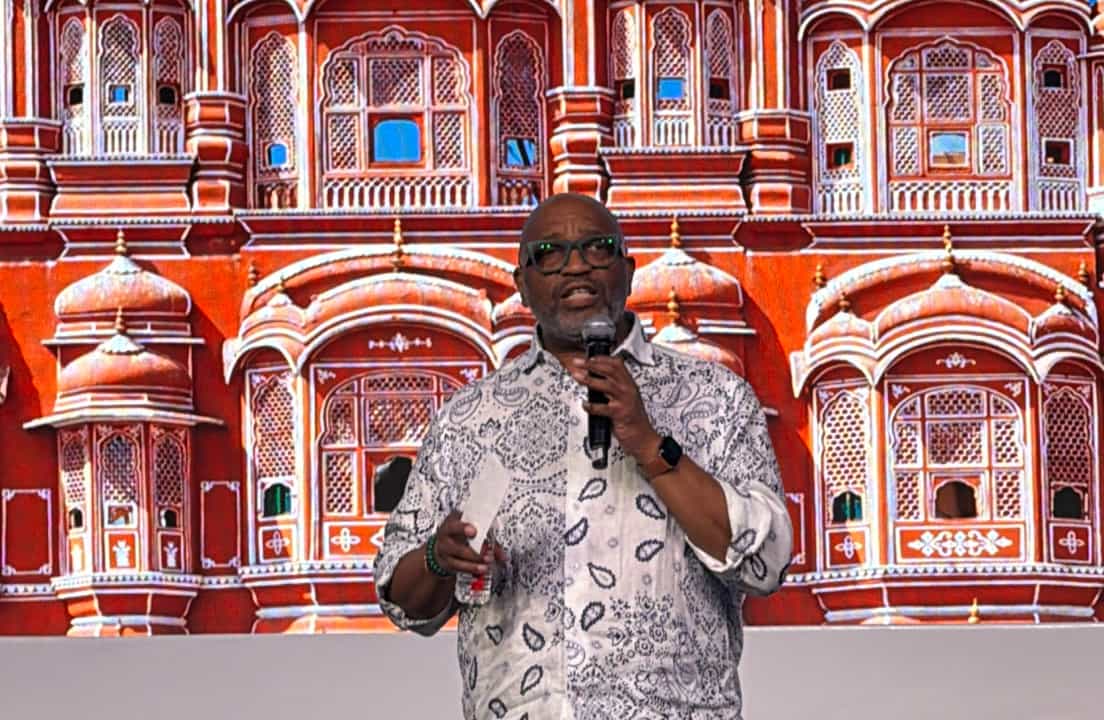
Laurien Sibomana now lives in Pittsburgh, but his heart remains in his native Rwanda. Years ago, a research project inspired him to found Pillar of Health, a nonprofit dedicated to supporting youths with type 1 diabetes (T1D). Today, he continues to raise funds and awareness in a new way by launching a coffee truck, a cause he hopes the T1D community will support.

.webp)
A Man with a Mission
Laurien Sibomana does not have type 1 diabetes (T1D). Sibomana came to the United States with a group of Rwandan students on a scholarship established by La Roche University. It was a way to educate others by returning home and giving back to their native nations.
He chose type 1 diabetes as a research project after witnessing the ongoing challenges faced by children and youths with the condition. “The focus is on children because many T1D adults don’t live over the age of 40,” he said.
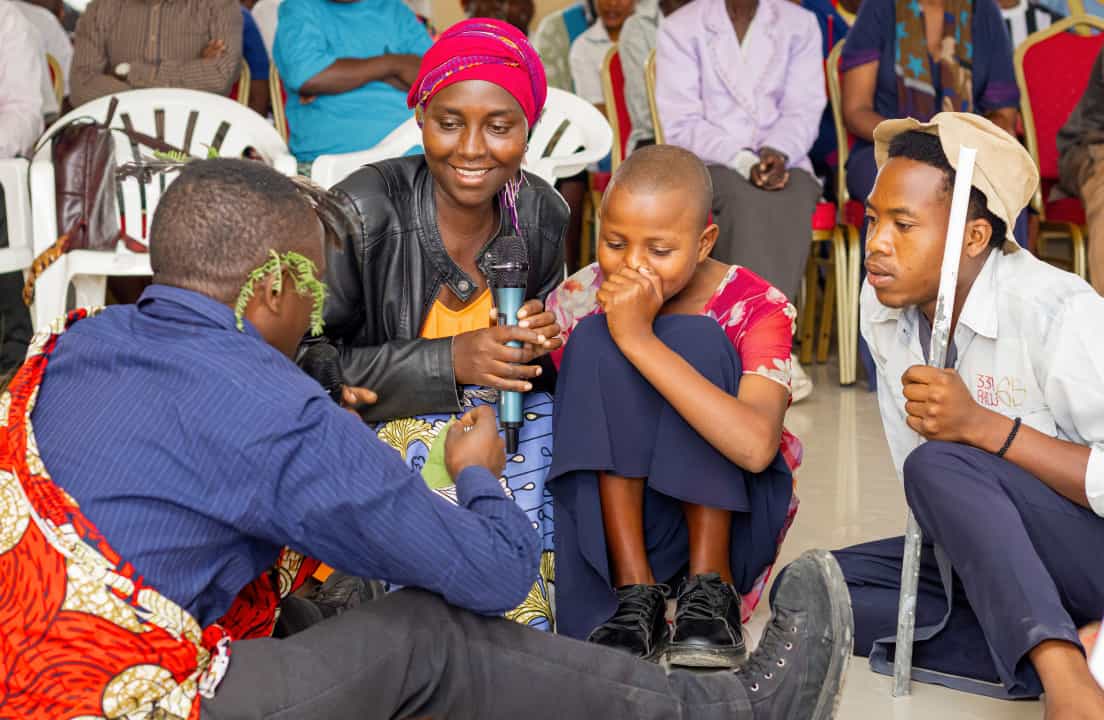
The study lasted four years, and he received support during and after the study. Notably, a grant from Panorama Global and The Leona M. and Harry B. Helmsley Charitable Trust, which jointly power The T1D Community Fund. But after three years, the grant ran out, and unfortunately, T1Ds continue to face unbelievable hardships, like rising healthcare costs.
Sibomana said that today Pillar of Health (PoH) focuses on the individual and their family and works from the bottom up. “T1D is not just about insulin, but a holistic approach or a puzzle-solving, where it is not complete unless each piece is in place.”
The High Price of Healing
Health insurance in Rwanda gives T1Ds the best chance at survival, but the price is so astronomical now that not many can afford it.
Health insurance, also known as mutuelle de sante, is a big piece of the puzzle Sibomana hopes to solve. Without insurance, patients rely on donated insulin and may go without it for months.
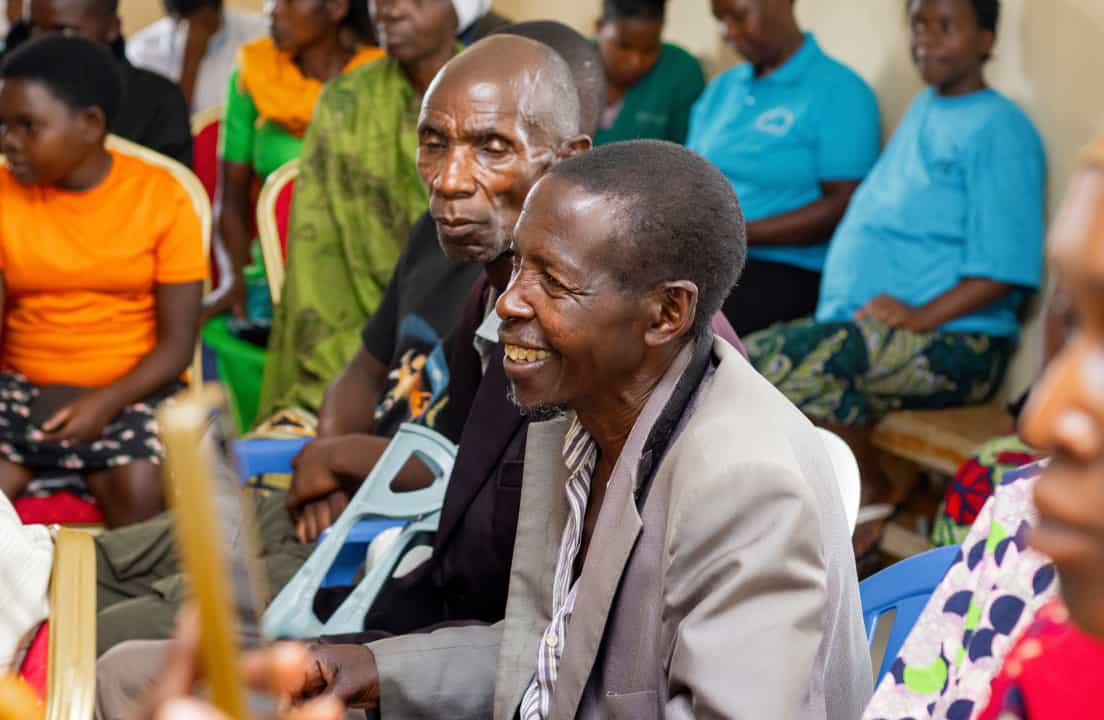
“It used to be that $3 covered a person for the year, but recently the premiums have been raised to difficult levels up to $14/person/year,” he said. “People were having a hard time paying $3, and one can imagine how hard it will be for $14. Many families may not be able to afford it, and won’t seek care when they are sick.”
Ebola Outbreaks and the War in Iran Have Worsened the Problem
In addition to the premium increases, the recent Ebola outbreak in the region and the war in Iran are making it tougher for families to meet the needs of children with T1D, and PoH may not be able to support everyone in need.
“The borders with the D.R. Congo have been closed, one of the biggest markets for Rwanda,” Sibomana said. “The Iran war has made everything expensive, including food, transportation and daily needs. All this has a negative ripple effect on T1D care.”
When One Door Closes, Another Opens
Sibomana came up with the idea to purchase a coffee truck to raise funding for the program. “We will be working with local farmers to improve coffee quality and create potential employment opportunities for people living with T1D,” Sibomana said.
“PoH plans to sell coffee both online and onsite, and hopefully have a store in the future to sell coffee and crafts.” As a chronic condition with so many needs, managing T1D requires a consistent source of income, and donations/grants are not always available.
“Since our grant ended last year and was not renewable, it put PoH at a disadvantage,” said Sibomana. To sustain what they’ve built and continue their mission, they must find outside resources.
“We wish to provide hope and make visible those who may otherwise be invisible,” he said.

Coffee is Always the Solution
Pillar of Health’s goal is to raise $50,000. They already have a certified importer and roasting company in Pittsburgh willing to help. “Coffee could be the best option, because we drink coffee every day and we don’t grow it,” he said. “We can also find ways to employ folks with T1D.”
Pillar of Health Recent Achievements
PoH provides sustainable programs, resources, food and most importantly, health insurance for T1Ds and their families.
With the help of Sibomana, Pillar of Health now covers 22 district hospitals all outside Kigali, the capital city. Before, Sibomana said some patients walked for hours to get to the nearest hospital. Additionally, PoH provides meals for patients to avoid hypoglycemia.
“Thanks to the Panorama Global grant, we were able to expand quickly.” They now reach over 500 individuals with T1D and serve around 2,000 families. Most importantly, the organization provides health insurance to 3,000 individuals.
Rwanda’s economy is based largely on agriculture, where families grow crops and raise livestock to meet their basic needs. PoH finances small livestock (pigs, chickens, and goats) for sustainability.
In Rwanda, malnutrition continues to be a growing concern, and when a child drops out of school, it renders them even more helpless.
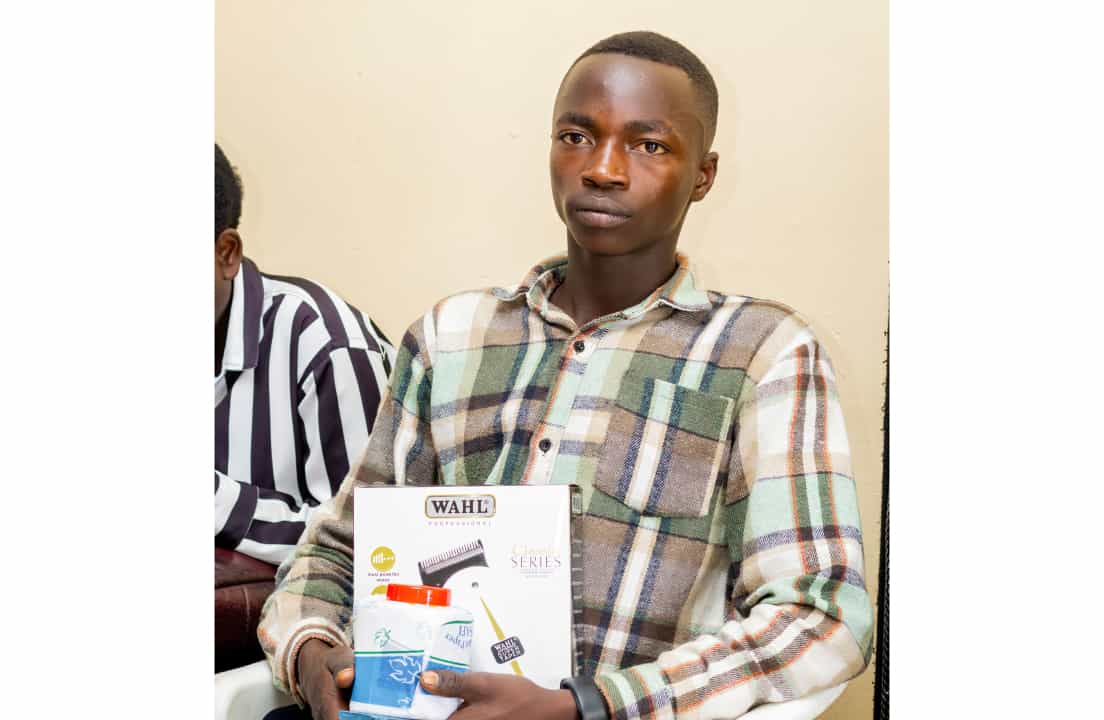
“We continue to provide small livestock to over 200 families, and support vocational training for type 1 individuals and even some college studies.”
PoH has also established hospital-based saving groups, where each individual makes a small monthly contribution.
Additional PoH Advancements include:
- A young person with T1D just finished his thesis for a bachelor’s degree in agriculture, and they hope to help him get a job with PoH.
- A single mother of one who herself was orphaned as a child gave birth while in a coma. Now she is doing well with her child, and PoH has supported her to start a small business.
- Another single mother of a child with T1D is doing well. PoH has also provided pigs and money to help her start a small business.
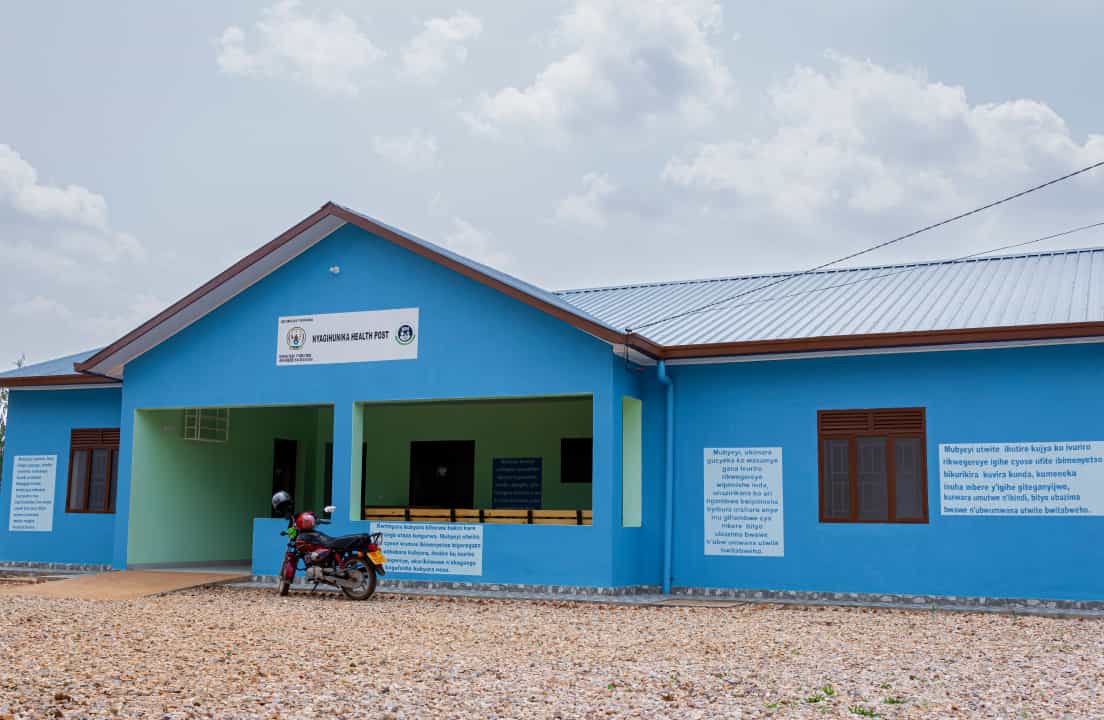
- PoH is working with the Rwandan government to manage a health post in Eastern Province that will include T1D services.
Stigma in Rwanda
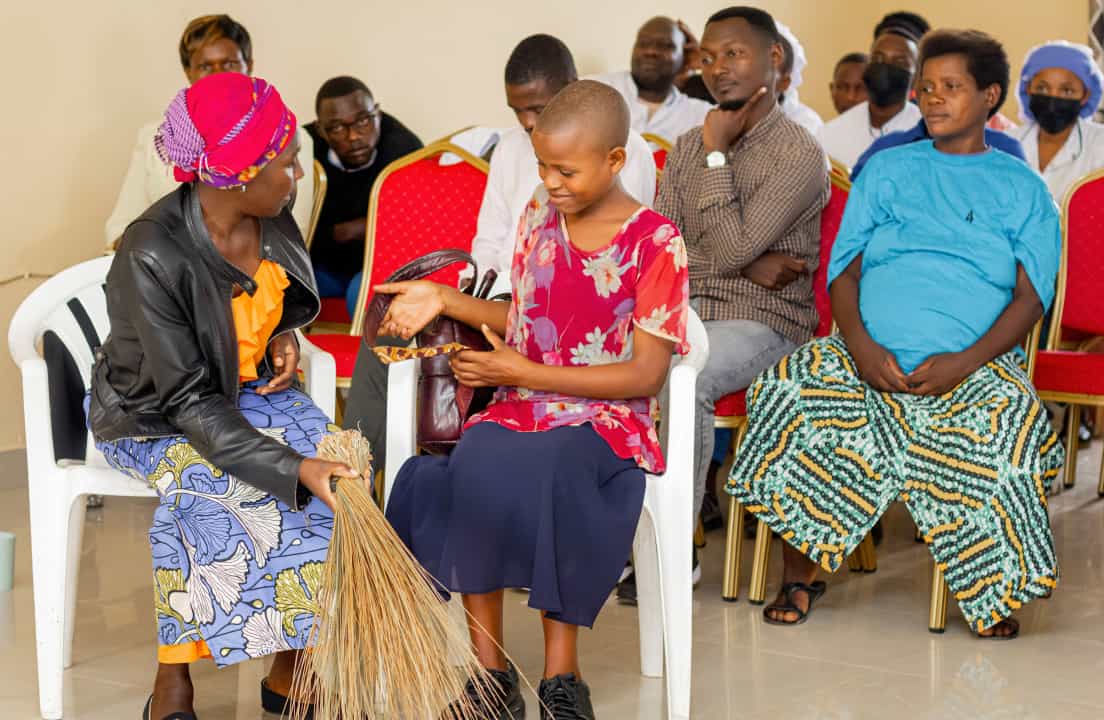
PoH aims to educate the public about the stigma around T1D, which remains a large part of the culture. In Rwanda, it’s a very misunderstood condition, with prejudice directed toward females with type 1 diabetes, making it harder for them to marry (due to the additional medical cost they incur). Also, many believe a woman with type 1 can’t carry a child to full term, which is unfortunately sometimes true, Sibomana said.
Moving Past the Impossible
It’s often the dreams that seem unattainable that rise to the surface and demand to be realized. It’s easy to overlook hardships happening far from home, but consider taking one more step and giving what you can. Even a small contribution can make a meaningful difference in Rwanda.
Here is the link to donate to PoH: www.pillarofhealth.org


.webp)



.jpeg)









.jpg)



%20(1).jpg)



.jpg)
.jpg)
.jpg)
.jpg)
.jpg)
.jpg)
.jpg)
.jpg)
.jpg)
.jpg)
.jpg)

.jpg)
.jpg)
.jpg)
.jpg)
.jpg)

.jpg)

.jpg)
.jpg)
.jpg)

.jpg)
.jpg)

.jpg)
.jpg)

.jpg)
.jpg)
.jpg)
.jpg)
.jpg)

.jpg)
.jpg)
.jpg)
.jpg)
.jpg)
.jpg)

.jpg)
.jpg)

.jpg)
.jpg)
.jpg)

.jpg)
.jpg)


.webp)
.svg)