T1D Guide
T1D Strong News
Personal Stories
Resources
T1D Misdiagnosis
T1D Early Detection
Research/Clinical Trials
10 Years Misdiagnosed: A Strongman Athlete’s Journey from “You’re Type 2” to Type 1
For about a decade, a competitive athlete who trained several days a week was told he had type 2 diabetes (T2D). Nothing he did lowered his blood sugar.


He actually had latent autoimmune diabetes in adults (LADA), a slow-onset form of adult-onset type 1 diabetes (T1D). The question that finally got him there came from a nutritionist he'd just met over Zoom, not from any of his doctors.
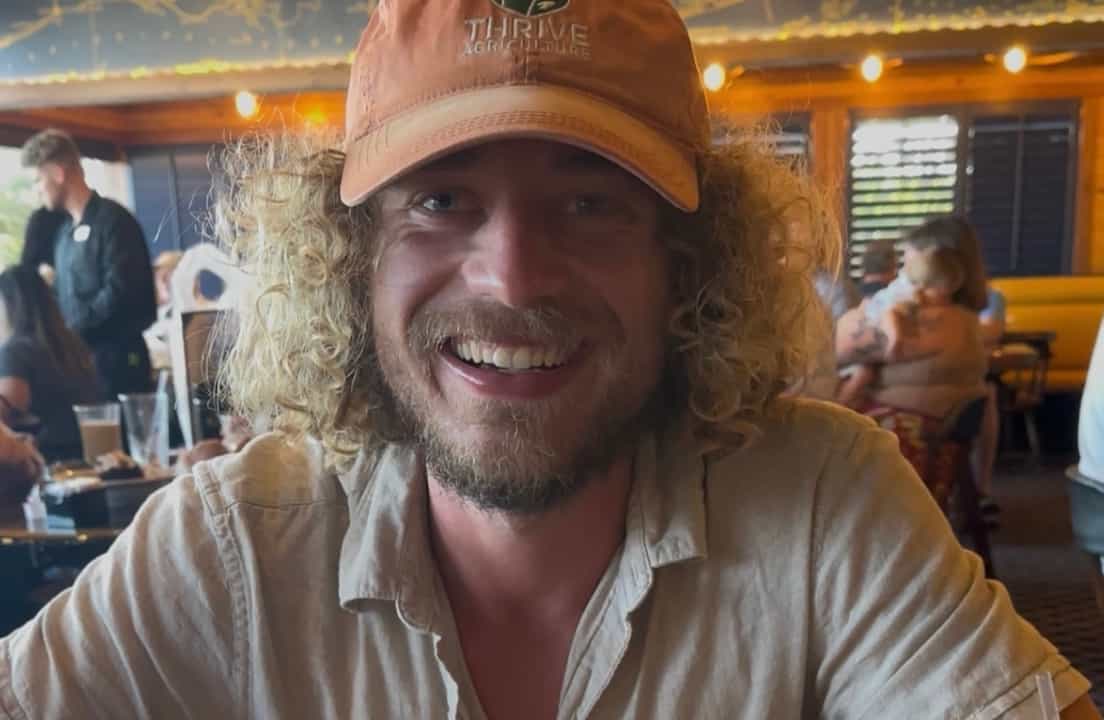
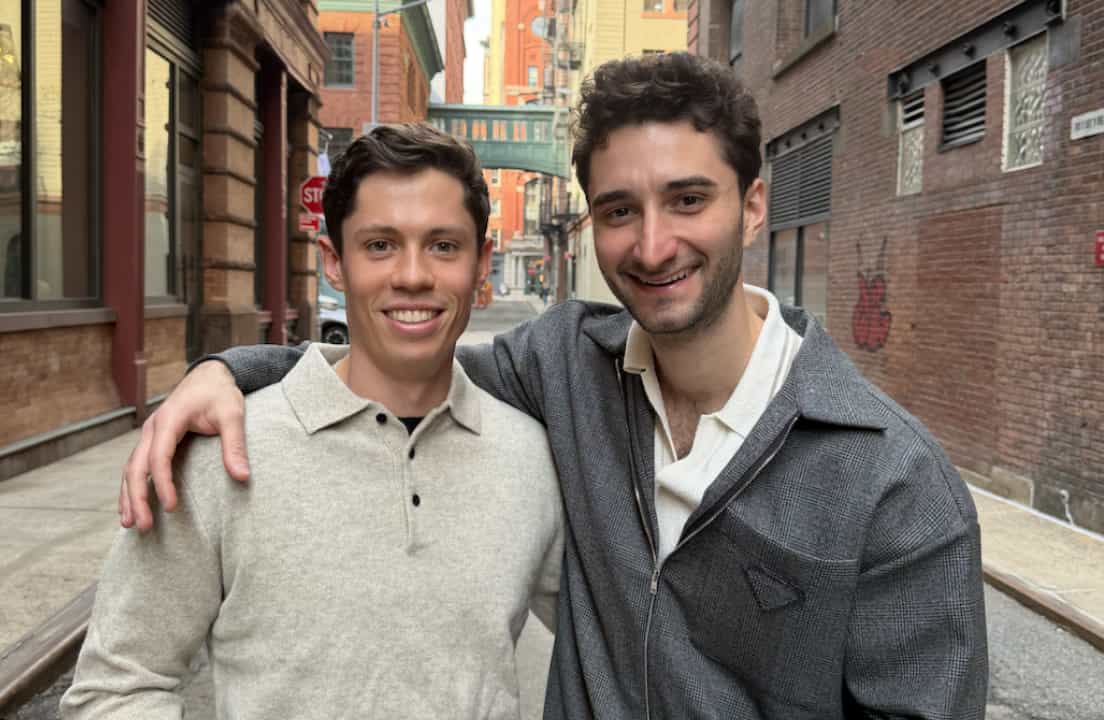
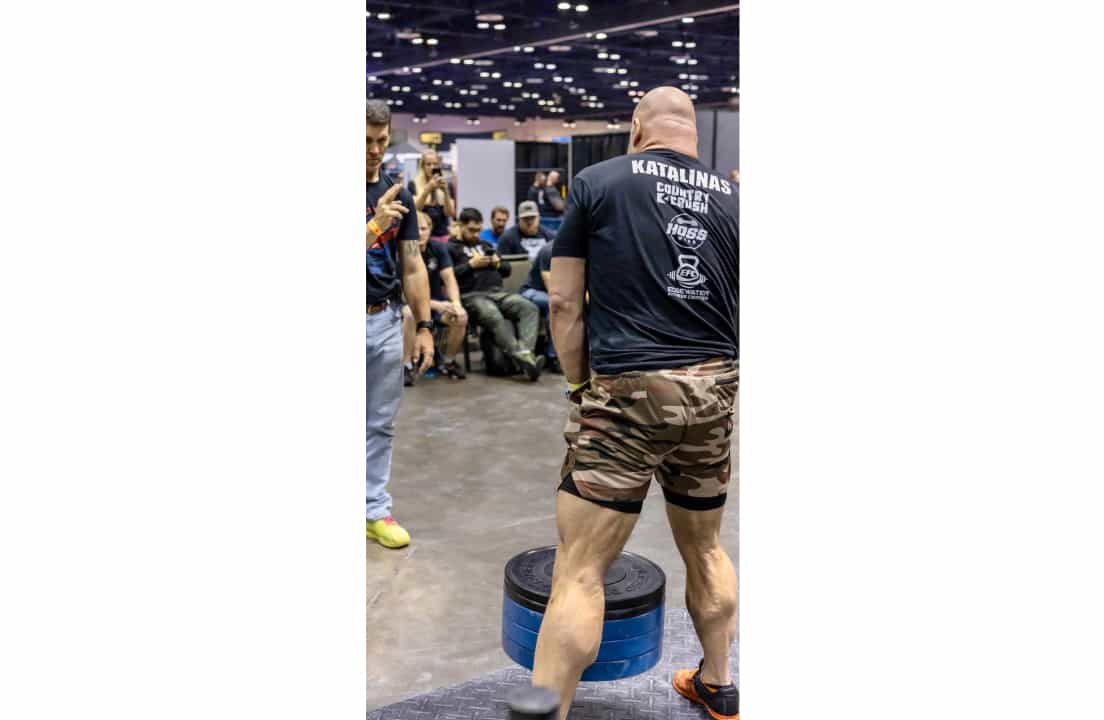
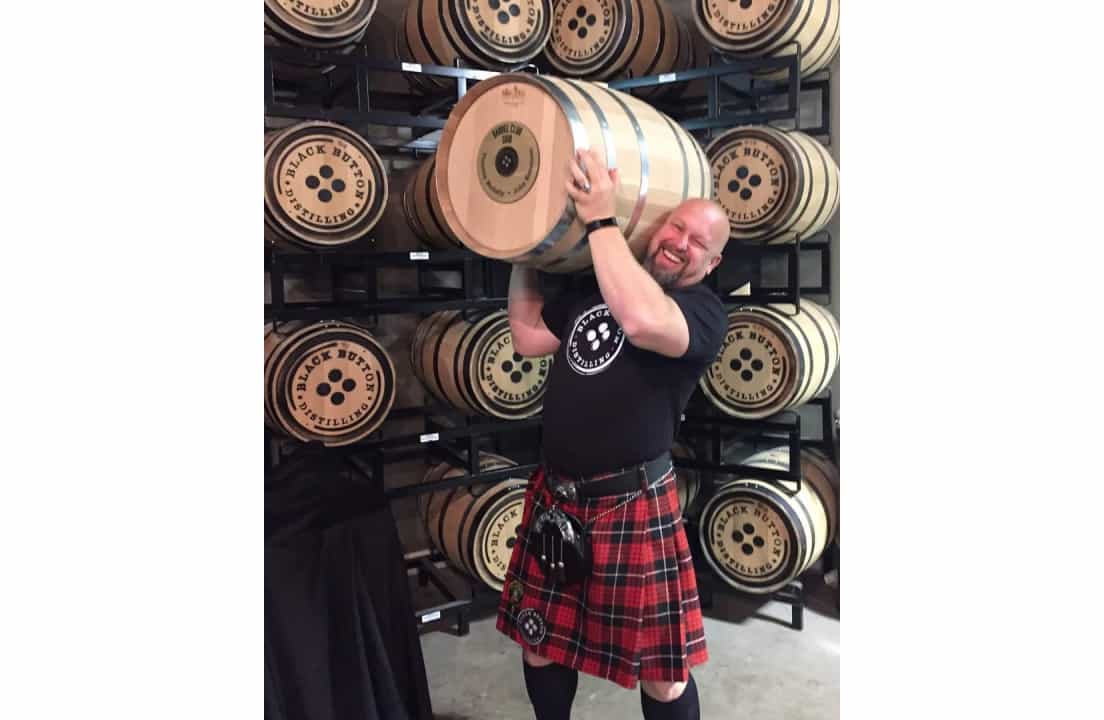
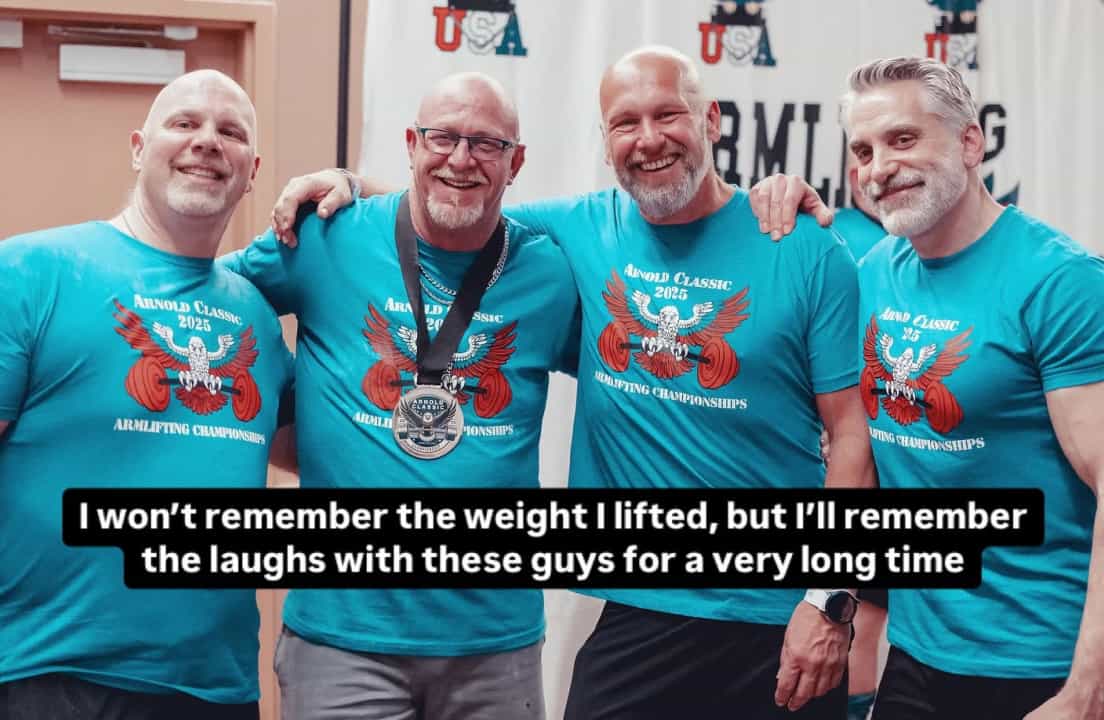
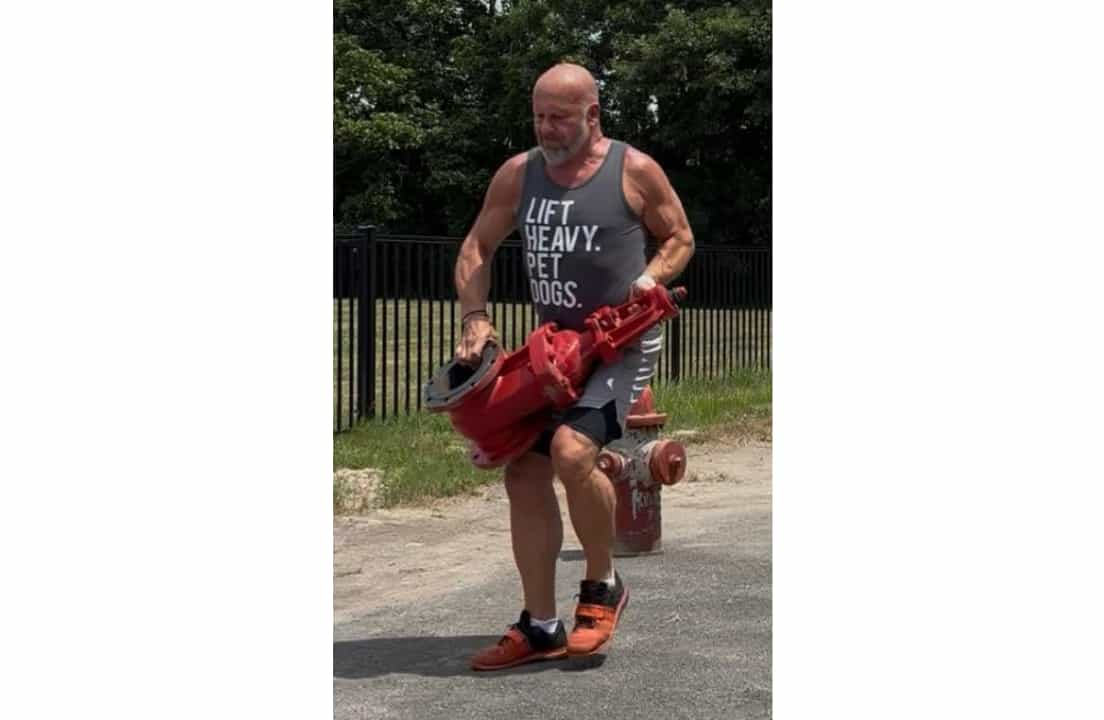
That athlete is John Katalinas. He co-hosts The Master's Athlete Survival Guide podcast with his training partner, Scott, and spends a lot of his time helping people over 40 get stronger. He competes in Strongman. He once climbed the stairs of Highmark Stadium in a 140-pound vest to raise money for the American Lung Association. He's also a career scientist.
"I feel like I'm like an evangelist," Katalinas said. "I'm like John walking the desert, preaching the good news of adult-onset type 1, because it's unknown."
"You are type 2"
Katalinas was 47 when he went to a new doctor whose office had an on-site lab. His bloodwork came back with an A1C of 13.
"And he's like, 'I'm going to give you a shot of insulin right now, but you are type 2, you have to lose weight, you have to eat like this, you have to do this,'" Katalinas said.
While people with T2D come from all walks of life, Katalinas’s vision of someone with T2D didn’t match reality. So he questioned it.
"I was a big athlete, not heavy, but not thin," he said. "I had abs, I was very fit, worked out often, competed in sports competitively."
Nobody asked any follow-up questions.
"Nope. Nope, not at all," he said. "And they just sent me on my merry way to spend 10 years in frustration."
For years he did everything he was told. He ate very low-carb, close to keto. He trained three or four days a week. He took Lantus, Mounjaro and metformin. His A1C stayed between 9 and 10. Like many others who've been trying to "reverse T2D" with extreme diet and exercise when they actually have T1D, he couldn't understand why none of it was working.
"It had no effect, nothing," he said. "Exercise made my blood sugar go up, and I was at wits' end."
He got desperate enough to buy his own continuous glucose monitor (CGM).
"I was at the end of my rope to the point that I paid out of pocket for a CGM when I was type 2," he said. "I'm like, 'I don't know what's going on.' And finger sticks are not the best way."
His check-ins with his primary care provider (PCP) followed the same script every time.
"They pull the chart, they see it for seven minutes," Katalinas said. "He's like, 'Oh, I see you're type 2. How's your eating?' 'Oh, I eat pretty low carb.' 'You working out?' 'Yeah, I go to the gym three, four days a week.' 'OK, well, keep at it. We'll get there.'"
What frustrated Katalinas the most was that his care happened inside a large medical group with a lab, a pharmacy and specialists all under one roof. Even so, doctors' offices are often unprepared to care for type 1 diabetes (T1D).
"They're a great group. They have a ton of resources, and they still ... For diabetes to be underserved like that, kind of blows my mind," he said.
The Question that Changed Everything
The turning point came through a work benefit that gave him access to a nutritionist. On their first call, Katalinas told her he had T2D and that nothing was working.
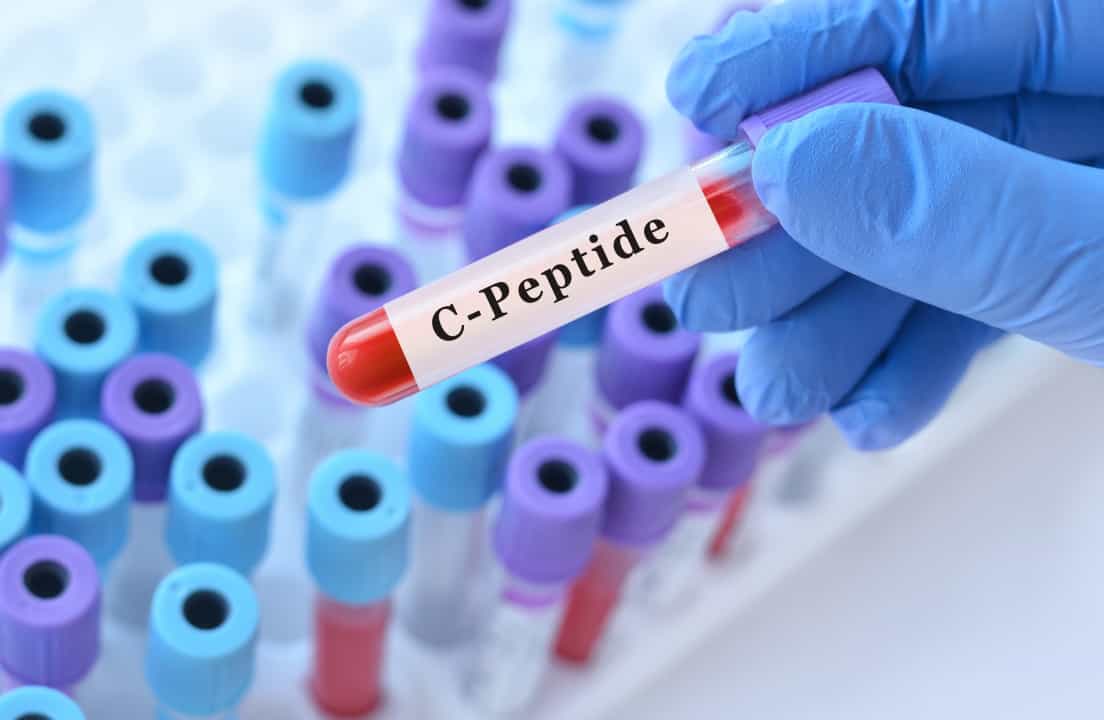
The nutritionist, who "didn't know me from Adam," asked whether he'd ever had a C-peptide test as part of his bloodwork.
"I'm like, 'It doesn't sound familiar,'" Katalinas said.
C-peptide is released alongside insulin, so measuring it shows how much insulin your body is still making on its own. It's one of several tools used in T1D testing.
"She explained to me what it was, that it's the leftover snip from your body making insulin," he said. "I thought, 'Well, I'll ask.'"
His results showed his body was making very little insulin.
"I was, in fact, leaning towards type 1," he said.
His nutritionist was clear that this was beyond what she could help with.
"She's like, 'You really need to talk to somebody,'" he said.
As it happened, Ginger Vieira, co-founder of the Diabetes Nerd Network and Diabetes Nerd Marketing, an author, and someone who’s lived with T1D for nearly three decades, was about to be a guest on Katalinas' podcast. When they discussed what he'd found, Vieira brought up LADA.
"I'm a career scientist, and I had done all the research into type 2," he said. "I'd never heard the term before."
Katalinas took what he'd learned to his doctor, and it didn't go smoothly at first.
"You know how flexible doctors can be, right?" he said. "He was like, 'Well, how dare you try to diagnose yourself, but let me look at your blood work.'"
Katalinas said this is one of the biggest lessons he's learned, from his own diagnosis and from his podcast guests.
"You really truly have to be an advocate for yourself," he said. "Sometimes you have to be a little less polite about it, your advocacy."
His doctor ordered the test and changed his treatment.
"He is like, 'Oh, OK, so we're going to change your meds,'" Katalinas said.
He started Tresiba as his long-acting insulin, along with mealtime insulin. About 30 days later, he was spending roughly 89% to 90% of his time in range (TIR).
Looking back makes the decade harder to accept. Katalinas had gotten an annual physical every year, so the trend had been in his records all along. In those results, he can now see his C-peptide drop year after year "until it basically went away."
"It's a simple blood test that you can get as part of your annual physical panel," he said.
He thinks today's tools might have caught it sooner, much like how ChatGPT helped uncover T1D for another person misdiagnosed with T2D.
"If I had done the thing that people tend to do now, and if it existed, and dropped my blood results into an AI agent, it probably would've told me right away like, 'Hey, dude. Do you notice this trend?'" he said.
Looking back at a decade of undiagnosed T1D
Many people with LADA are diagnosed with T2D first. Because LADA progresses more slowly than T1D in children, a person can keep making some insulin for years and avoid the kind of emergency that would force a closer look. Katalinas thinks the very low-carb diet he followed for T2D probably helped protect him from dangerous ketone levels.
"You have no idea," he said, looking back now.
One of those things is the Fight for Air Climb. Katalinas sits on the American Lung Association board in the Northeast, and he joined because of his mother.
"My mother passed away from lung cancer," he said. "It's not fine, but it is what it is."
Because Katalinas is often the face of the organization to the media, he tries to make his climb memorable every year. One year he decided to carry the weight of the tobacco his mother smoked.
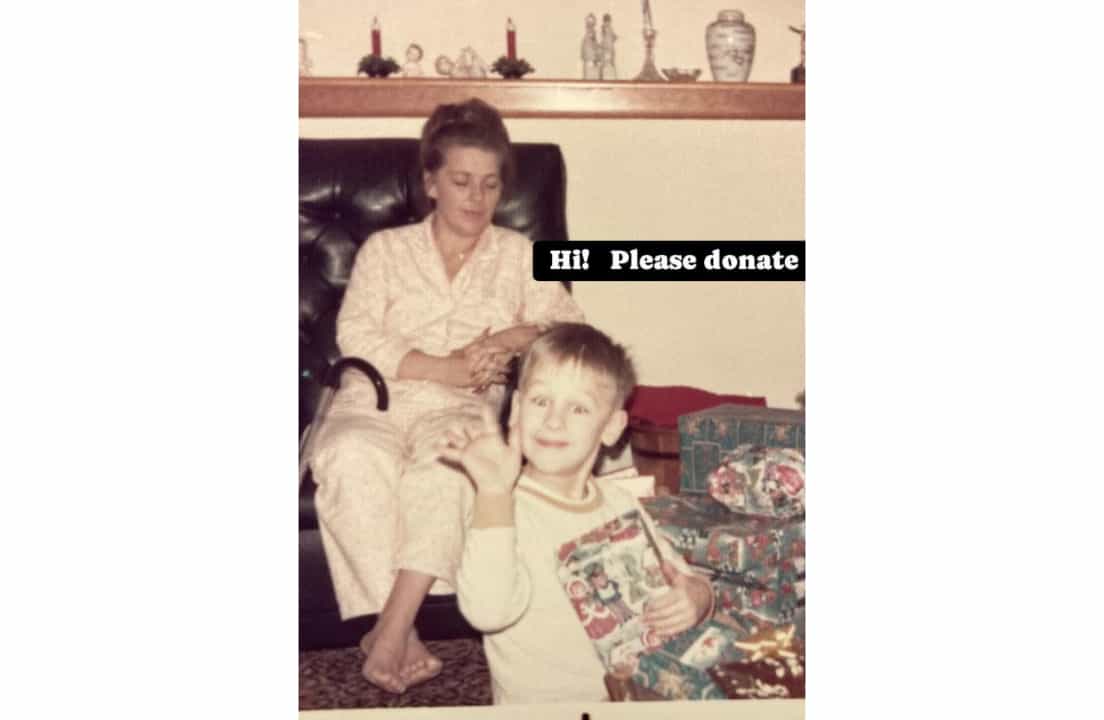
"She was like a three-to-four-pack-a-day smoker, and in her lifetime it was like 500-something pounds," he said. "And I'm like, 'Nah, I don't think I can carry 500 pounds in a vest.' So I did figure out ten years; she did 140 pounds. I'm like, 'OK, I will carry 140 pounds up and down the stairs all around the stadium.' Well, I got two-thirds of the way around, and I felt horrid."
At the time he thought he just wasn't in good enough shape.
"I was a type 1 then," he said. "I didn't know it yet, but the amount of effort I put in is ... I can't believe I didn't go into diabetic ketoacidosis (DKA)."
He also competed in a Strongman meet where he cut weight to make a lower weight class. He followed a plan from a reputable trainer meant to cut six pounds. He lost 23.
"Frame this as I'm a type 1 diabetic who doesn't know he's a type 1 diabetic, and the last three days are basically just water," he said. "The last two days are egg whites or no food."
After weigh-ins, he had 24 hours to put the weight back on before competing.
"I should send you the picture of the case of Nutty Buddies, eight-pack of muffins, four full-sugar Gatorades," he said. "I can't imagine what I did to my blood sugar that day."
T1D never crossed his mind, because he only knew what it looked like in kids.
"I know people that are type 1 that, oh, I was diagnosed at 7," Katalinas said. "I was the typical diabetes as everybody thinks of type 1. I did not know it could have an adult-onset facet to it."
Some of his luck came from home. When his youngest daughter started high school, she asked him to quit regular soda.
"She's like, 'You have to stop drinking full-sugar soda, Dad, because it's the worst thing on earth,'" he said. "I'm like, 'OK, all right. You asked, I'll do it.' Not for any other reason than my daughter asked, but think about if I was crushing full-sugar Pepsis every day."
His peers hadn't heard of LADA either, which is part of why T1D screening still overlooks adults.
"As an old person, I cohort with other old people, and I've not really run into anybody that knows that LADA exists," he said.
Learning T1D from scratch
Katalinas is now in what he calls "a different phase of life," and it comes with its own learning curve.
"I am learning how to dose insulin and what truly does affect it," he said. "And all the fun things that you type 1 people learn, like 3 o'clock in the morning, for some reason, my phone is beeping, I'm sweaty and shaking, and I'm sitting on my kitchen floor eating candy."
While he worked out his doses early on, the middle-of-the-night lows came often enough that he started noticing how common they are.
"Every type 1 diabetic I hear, we should call each other at 3 o'clock because everybody's like, 'Oh, yeah, I'm standing in front of the fridge in my underwear looking for things to eat,'" he said.
His TIR is much better now.
"They're certainly not without struggle, but they're very different," he said.
He also carries a lot more stuff.
"I am this close to carrying a purse because I suddenly come with all these Barbie accessories," he said.
He keeps a backup CGM with him in case he rips his sensor off, "which I do on occasion." It's one way to plan for when diabetes devices fail. A quick trip to the store can turn into a dinner invitation, and then he's stuck.
"I'm like, 'Well, I don't have any insulin on me,'" he said. "And now I look like I've got a sugar problem on the opposite end because I've got candy."
For lows, he relies on the gel packets marathoners use and on small cans of A&W Root Beer. He's found that if he wakes up at 60 mg/dL, a can will bring him up to around 150 mg/dL quickly.
Katalinas has also learned how much sleep and stress affect his blood sugar now that his CGM shows him.
"It's not minimal. I mean, it's a thing," he said. "A bad night's sleep, even with all the medications in the world, I'm not controlling it well. Stress is the same way. I can have everything dialed in to where I think I'm good, and then the bottom falls out of something, and suddenly my blood sugar decides, 'Hey, I'm going to add to the party.'"
He's found that a lot of it just doesn't follow any logic.
"I don't think anybody can predict anything about how your day's going to go," he said. "None of it makes sense. And even the things that I thought would spike my blood sugar don't. I mean, it's also, unfortunately, very individualized."
And it's constant, an invisible job no one pays you for.
"It's one of the only diseases where you have to actively manage it day in, day out, all day," he said. "It's not just wake up in the morning, take a pill, you're good."
"I have a refrigerator full of pens and needles and a whole carton of CGMs waiting for me, and yeah, it's a lot," he added.
Like a lot of people new to a CGM, he catches himself overreacting to every arrow.
"Is it typical for all of us type 1s that are overly instrumented to just become obsessive with, 'Oh no, my blood sugar went up 10. Oh no. Oh, it's down 10'?" he asked.
When he first heard the term "rage bolusing," it made immediate sense to him.
"I'm like, 'Oh, what's that? I better look that up,'" he said. "And I could see why I would want to do that."
Living with all that guesswork has given him a lot of respect for people who managed T1D long before CGMs existed.
"I have no idea how people dealt with T1D in the '70s and '80s," Katalinas said. "If you think about it, it's a dose. You wouldn't question it because it's also like every other medication you're ever given is like, 'OK, take this two times a day, breakfast and dinner.' There was no, 'Well, maybe take half a pill now, maybe take two.' So the whole dosing thing, I have no idea how people managed it."
What he'd like now is more regular support from someone who knows T1D well. He has looked into telehealth diabetes care for that.
"Every now and then, I would just like to check in with somebody smarter than me that's like, 'Oh, how did this go? How did that go? Are you going to consider trying this?'" he said.
Why the Podcast Matters to Him
Katalinas and Scott started The Master's Athlete Survival Guide for people who are new to exercise later in life, a group that rarely gets much attention.
"There is a ton of information, both real and apocryphal, for 20-something gym bros," Katalinas said. "But once you get up, especially what we started to run into were people over 40 who were just starting to try to be active, and that's a terrifying proposition for a lot of people. The saying that the hardest machine at the gym is the front door is very true, especially if you don't have an athletic background."
His diagnosis has made him even more committed to the show's main job of separating good information from bad.
"Someone who knows some things needs to filter out all the things, because there's a lot of terrible information out there, archaic information, people's opinions," he said. "I dare you to put something on Facebook about your diabetes and see how that goes. Eventually, they're probably going to tell you that it's the government, it's vaccines, it's the aliens in your brain."
He thinks about people like his mother, who was born in the 1930s.
"If she ran into Edna at the grocery store and they were talking about diabetes, she'd believe everything out of Edna's mouth," he said.
Katalinas has learned a lot from people living with T1D who share what they know. He checks it against his doctor's advice and the research.
"There are two accounts I follow on Instagram, and I don't understand these people, God love them, but they dump so much great information for essentially free," he said.
He's also learned from books written by people with T1D.
"Basically, she gathered stuff that people learned by trial and error, and I get to benefit from that," he said.

If your T2D Diagnosis Doesn't Add Up
When asked what he'd tell someone whose T2D diagnosis doesn't seem right, Katalinas started with the test he wishes he'd known about years earlier. It's the same question at the center of another T1D story: Seven Years with the Wrong Diagnosis: Have you Ever Been Tested?
"There's so much in retrospect that seems so like, duh, of course, but not knowing," he said.
The biggest part was the C-peptide test.
"Again, just part of a panel; they just added a marker to it. Not a big deal," he said.
He also suggested that people with T2D learn from how people with T1D manage their day. He thinks they should approach eating and structure their lives "a little like you're type 1."
"Type 2 seems to go in generalities, and it's definitely like lose weight, get exercise," he said. "But if you start to think about just your carbohydrate load, things like that, are you getting enough protein and are you moving?"
He recommends getting real data, too. Before his LADA diagnosis, he came across Dexcom's over-the-counter Stelo sensor at a sports festival. (See our roundup of the Best CGMs for 2026.)
"You're not using it if you're type 1, but if you're just trying to get some good data for, let's say, a month, it's money well spent," he said.
Most of all, he keeps coming back to advocating for yourself, because that's what finally got him the right diagnosis.
"It goes back to that: be your own advocate," Katalinas said. "You really have to."
If you or a loved one believe you have been misdiagnosed, seek help urgently. Don’t wait for an annual checkup if you already have signs of T1D. If you don’t have signs, get screened. Screening can change your journey and prevent scary or life-threatening diagnoses.