


T1D Guide
T1D Strong News
Personal Stories
Resources
T1D Misdiagnosis
T1D Early Detection
Research/Clinical Trials
Marlaina Goedel Marks Two Years Insulin-Free After Becoming the First Patient in Eledon’s Groundbreaking Islet Cell Transplant Trial
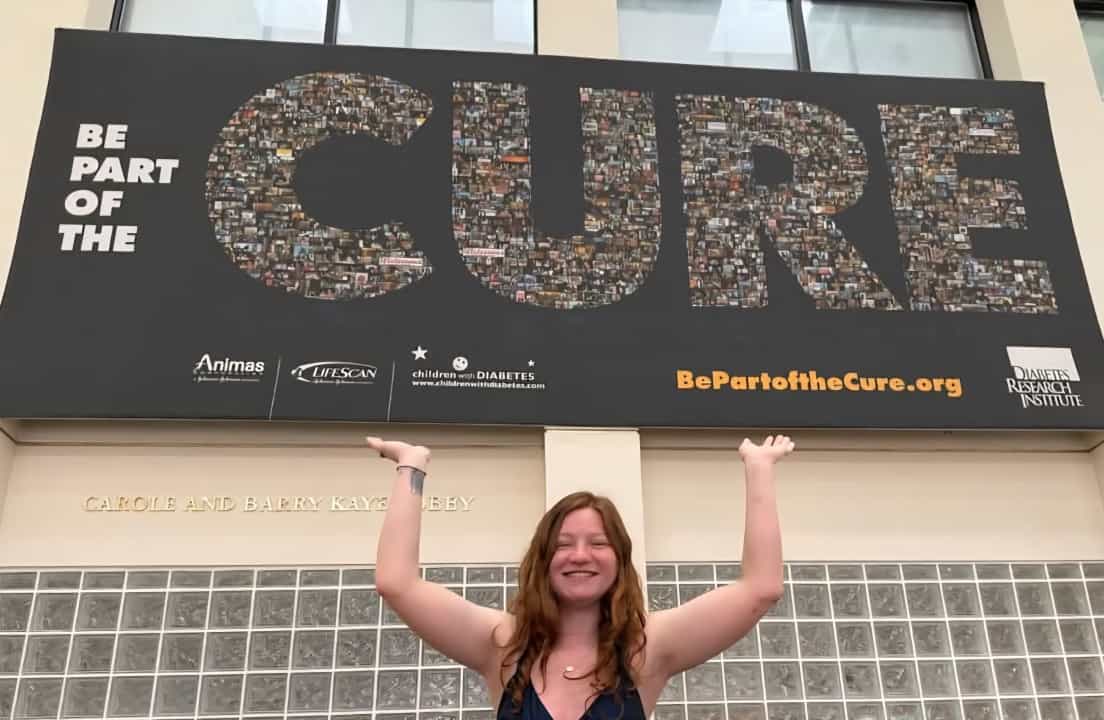
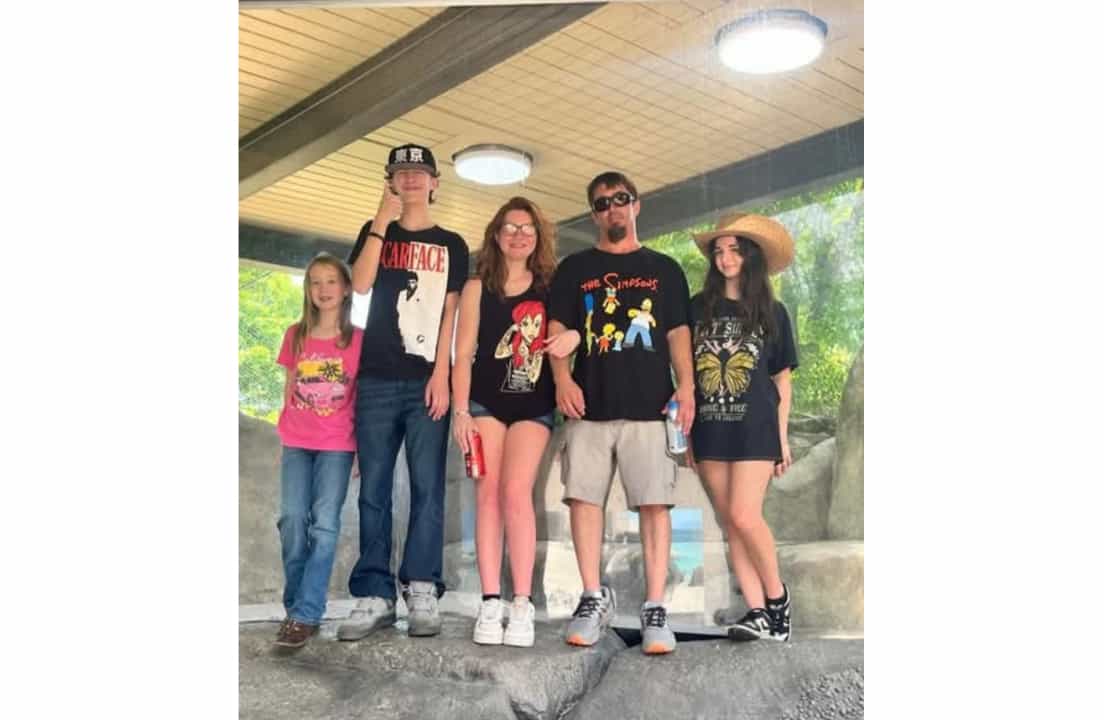
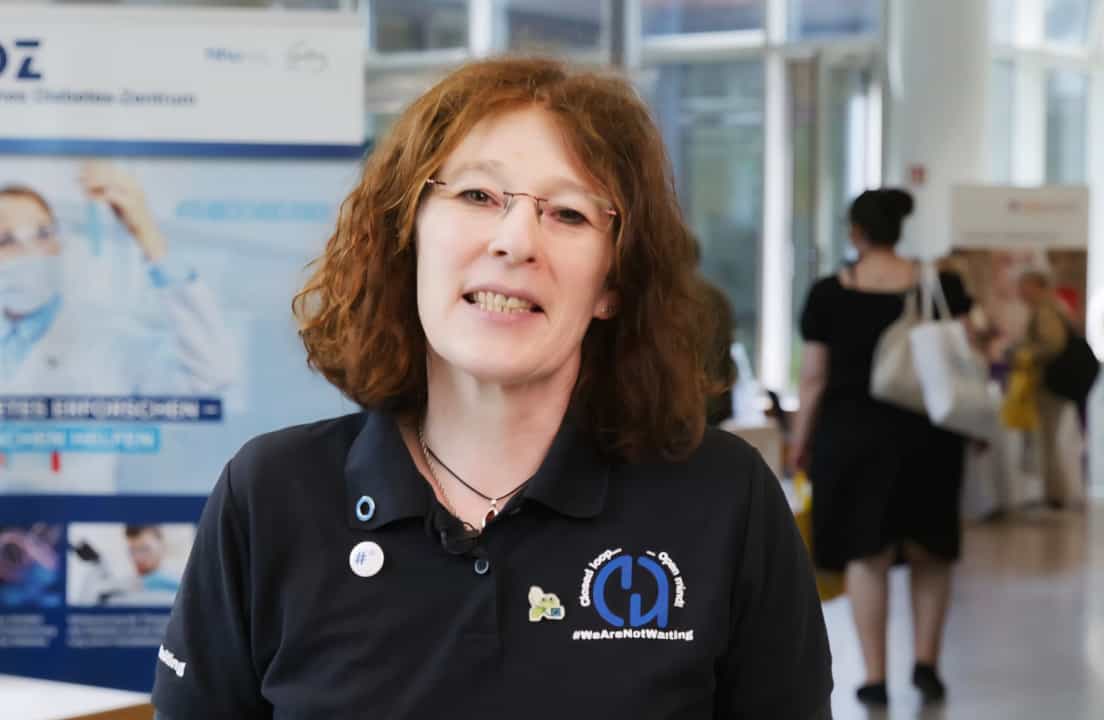
Marlaina Goedel made history as the first clinical trial participant to achieve insulin independence following a pancreatic islet cell transplantation using the investigational anti-rejection drug tegoprubart. Now, two years after the landmark procedure, Goedel reflects on life after type 1 diabetes, the ongoing infusion process, and the special bond she’s developed with transplant surgeon Dr. Piotr Witkowski.
.webp)
T1D Strong spoke with Goedel about her milestone anniversary—and what this potential type 1 diabetes (T1D) breakthrough means for the future of people living with T1D.
Marlaina Goedel’s Backstory
When Goedel was admitted to the emergency department at five years old, the doctors said she should have been in a coma. She was in severe diabetic ketoacidosis (DKA) with blood sugar levels above 900.
Throughout her childhood, Goedel battled severe hypoglycemic episodes. Her unpredictable blood sugar levels made sleepovers impossible. She slept with her arm stretched out over the covers so her mother could check her glucose—some nights every two hours.
“There were two nights in a row when I was really young, and I stopped breathing; my lips turned blue. They had to rush me to the emergency room, and there have been multiple times when I crashed really hard in my sleep, and the ambulance had to come to our house.”
As an adult, her low blood sugar levels caused serious blackouts. “I crashed my Chevy Avalanche into a brick building having a sugar crash while driving,” she said.
Another time, her young daughter found her unconscious lying on the kitchen floor. “My blood sugar had crashed in the middle of the night, and I thought I was okay enough to get up out of bed and go to the fridge myself, and apparently I was not, because I woke up to my 11-year-old picking my head up, pouring Pepsi in the other hand.”
That was the turning point.
“The next day, I looked at her dad and said, Something’s got to change. Our daughter should not be waking up in the middle of the night finding her mom passed out. If I’m late to pick her up, I don’t want her first thought to be Mom might be collapsed on the floor, or she might be dead.”
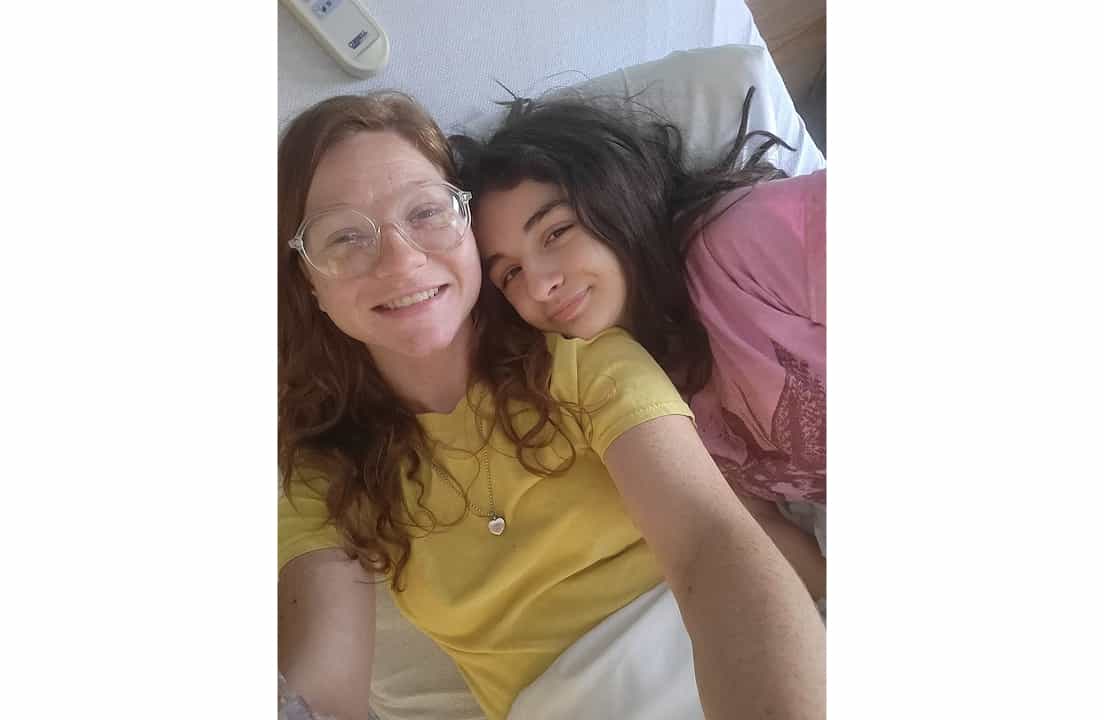
These extreme health scares motivated Goedel to take action and seek a clinical trial, but she was told she needed an endocrinologist to sign off. She spoke with three different doctors and met discouraging results. None believed she could qualify.
“I didn’t like their answers, so I went home and did the research myself on clinicalresearch.gov,” Goedel said. “Since I lived in Chicago at the time, I went through all of the clinical trials in the Chicagoland area, and that’s when I found the University of Chicago with Dr. Witkowski. I emailed my entire life story, begging for help. I explained the story about my daughter waking me up, and a month later I got an email back saying, come in for pre-testing.”
The Treatment
Six months after her email on July 17, 2024, Goedel became the first person to achieve a “functional cure” for type 1 diabetes after receiving islet cell transplantation surgery followed by the anti-rejection medication, tegoprubart. Led by Dr. Piotr Witkowski at the University of Chicago Medicine, the procedure, which has now made international headlines, uses deceased-donor pancreatic islet cells transplanted directly into the patient’s liver.
“When I met him, I was this hopeless diabetic, and I was like, okay, I’ll do it, and if it works, it works; if it doesn’t, it is what it is.”
“Dr. Witkowski looked at me and said, ‘You’re hitting that point where complications may start. I will have you insulin-free by age 30,’ and I was like, yeah, okay, let’s see if it works.”
Life After Type 1 Diabetes
Within weeks of the investigator-initiated islet transplantation, Goedel was able to stop using insulin, and has now reached her two-year milestone of insulin independence.
“Before I left the hospital, I was already off my long-lasting and down to half of my fast-acting insulin, and then three weeks later, I was standing between the doorway of my kitchen and my living room when Dr. Witkowski called. He said, ‘Today’s the day, mark it on your calendar, stop all insulin.’ And I froze right there in the doorway, and I just went speechless. He was like, ‘Hello, are you there?’ I couldn’t get the words out; I was stuttering, ‘Yeah, I heard you, but I need you to repeat it!’ I was frozen.”
“So he repeated it, and he was like, go… go eat something, don’t take insulin, have fun, enjoy your life!”
Breaking Free from Traditional Immunosuppression
Because type 1 diabetes is an autoimmune condition in which the body attacks insulin-producing islet cells, immunosuppressive therapy is required to prevent the same from happening to the new cells. Historically, islet cell transplants had a major flaw: standard anti-rejection medications (like tacrolimus) were ironically toxic to the very islet cells being transplanted and harmful to the kidneys.
Enter Eledon Pharmaceutical Inc.’s drug, tegoprubart, which protects the new cells without the toxicity and is now proven to be a safer anti-rejection drug.
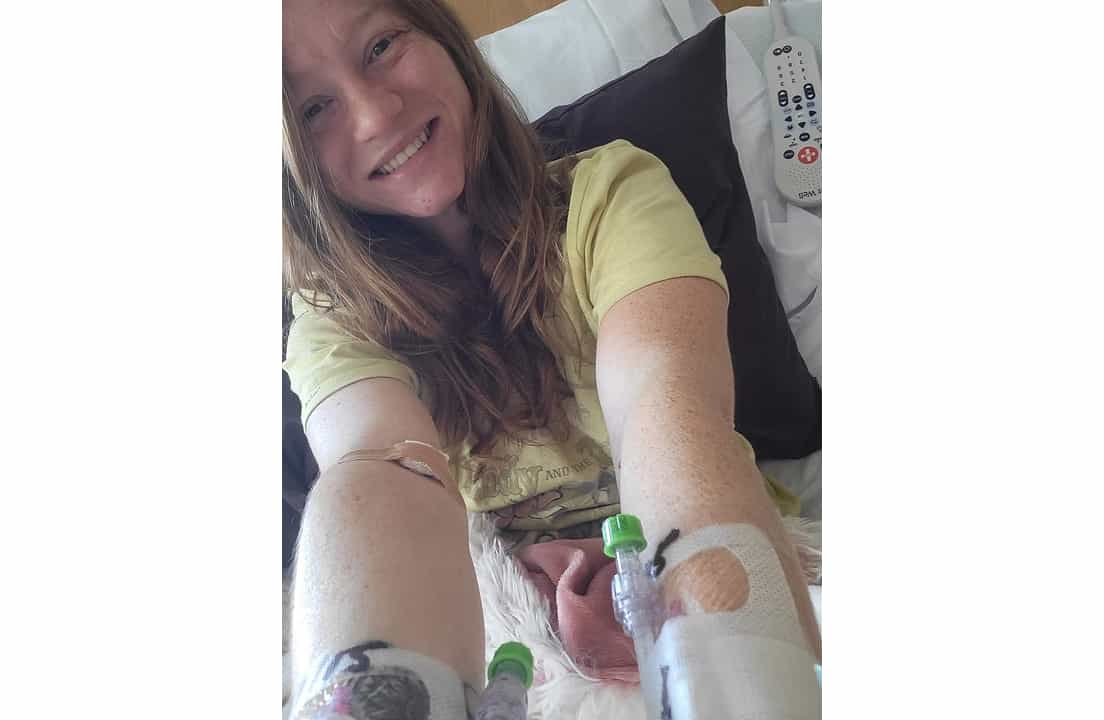
Tegoprubart is given intravenously (IV) through a vein in the arm. Patients receive an initial series around the transplant—the day before transplant and then at several early time points—before moving to maintenance infusions.
Today, Goedel lives in Louisiana and has to fly every three weeks for tegoprubart infusions, but says it’s still 100% worth it.
“I go every three weeks back to Chicago for the infusion; it lasts one hour, and then I sit for an hour after post-op, and again, there are no side effects with tego; I’m just sitting there with an IV. I don’t have any complaints. “Would I rather have to fly than live with type 1 diabetes? Absolutely.”
Dream A1c’s
Every three weeks, the UChicago Medicine team checks Goedel’s A1c, which was last a 5%. “It used to run in the 11s; I’ve even hit an A1c as high as 13 before. That first time my A1c hit under 7, I told Dr. Witkowski, I’m going to cry, and I did, and he gave me a big hug. At one point it went down to 4.7. I cried hysterically in that man’s arms, and he was like, I told you. I got you.”
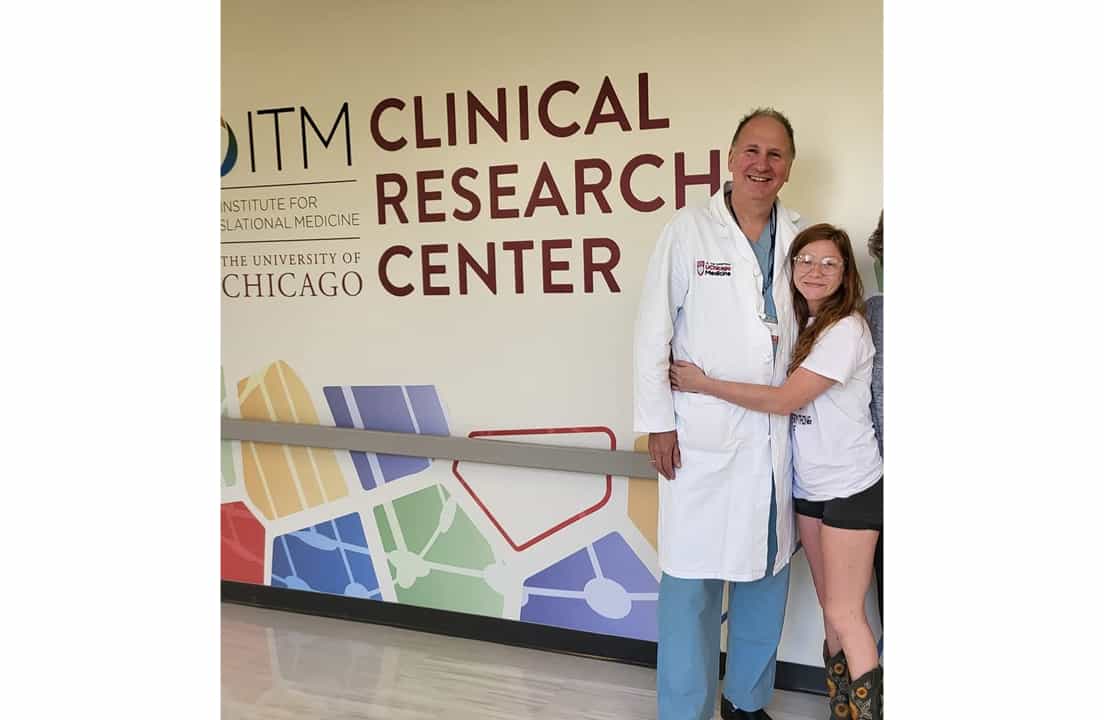
“Dr. Witkowski is incredible; he’s my superhero. I wouldn’t be sitting here having this interview today if it weren’t for him. He’s been so incredible and comforting, right there with me throughout the entire process, and even still today I could call him at midnight, and he’ll answer.”
Islet Cell Clinical Trial Status Using Tegoprubart
Eledon recently announced that all 12 patients from the initial cohort achieved complete insulin independence, maintained excellent blood sugar control (average HbA1c of 5.4%), and experienced zero severe hypoglycemic events and no side effects from the drug, tegoprubart.
Seeing others succeed alongside her has brought Goedel great joy, and she encourages others not to hesitate if the opportunity presents itself. “Make the jump; it’s 100% life-changing. You can be insulin-free. Trust me, I was scared; it’s terrifying. I’ve known about these trials for years. I didn’t want to get my hopes up, but I struggled for years,” she said.
“Everyone who does the clinical trial helps with the research; it helps with the data, it helps give the FDA more, it helps with the islet cell reclassification; the more data there is, the more the FDA has to go off of, it makes it one day closer to the cure being out there for everybody.”
Islet Cell Reclassification
Dr. Witkowski told T1D Strong, “Islets are small organs. They should be regulated like any other organ for transplantation, for effectiveness, for patients’ safety, and for access to the therapy by the academic centers and the patients.” He recently partnered with Breakthrough T1D to submit a formal joint proposal to the U.S. Department of Health and Human Services (HHS). “We’ve been working with senators to develop and pass the ISLET Act.”
Eledon’s Recent Milestone
What’s more, Eledon Pharmaceuticals, Inc. recently hit a major milestone for the T1D community by submitting tegoprubart as an Investigational New Drug (IND) to the FDA in September 2026. With funding from organizations like Breakthrough T1D, it allows Eledon to hopefully push the trial from an experimental study into a company-sponsored ‘registrational’ clinical trial.
Expanding Who Can Get Treated
Currently, islet cell transplants are strictly limited to T1D patients who suffer from life-threatening blood sugar drops and hypoglycemia unawareness. Because tegoprubart is proving to be much safer, a successful larger trial could eventually pave the way for a much broader demographic of the T1D community to qualify for cell therapy.
This shift could allow Eledon to test the transplant surgery and therapy across multiple medical centers on a much larger scale. Bringing us one step closer to a more sustainable path where it might one day become available to the public.
More than a Temporary Fix
As the first person to participate in this type of clinical trial, it not only shows Goedel’s bravery, but also provides initial evidence that this type of surgery and regimen works.
What’s more, her stable islet function and insulin independence for over two years offer researchers confidence to move forward. To Goedel, it’s offered a new life. “Definitely life-changing. It’s a whole new experience, and there are just no words to describe it. I’m still in shock and awe. Every day is one step closer to everyone having it.”


.webp)





.jpeg)

















.jpg)





%20(1).jpg)



.jpg)
.jpg)
.jpg)
.jpg)
.jpg)
.jpg)
.jpg)
.jpg)
.jpg)
.jpg)
.jpg)
.jpg)
.jpg)

.jpg)
.jpg)
.jpg)
.jpg)

.jpg)

.jpg)

.jpg)
.jpg)

.jpg)

.jpg)
.jpg)


.jpg)
.jpg)
.jpg)
.jpg)


.jpg)
.jpg)
.jpg)
.jpg)
.jpg)
.jpg)


.webp)
.svg)