


T1D Guide
T1D Strong News
Personal Stories
Resources
T1D Misdiagnosis
T1D Early Detection
Research/Clinical Trials
After Her Three-Year-Old Daughter Went Into DKA, This Mom Turned to T1D Scout
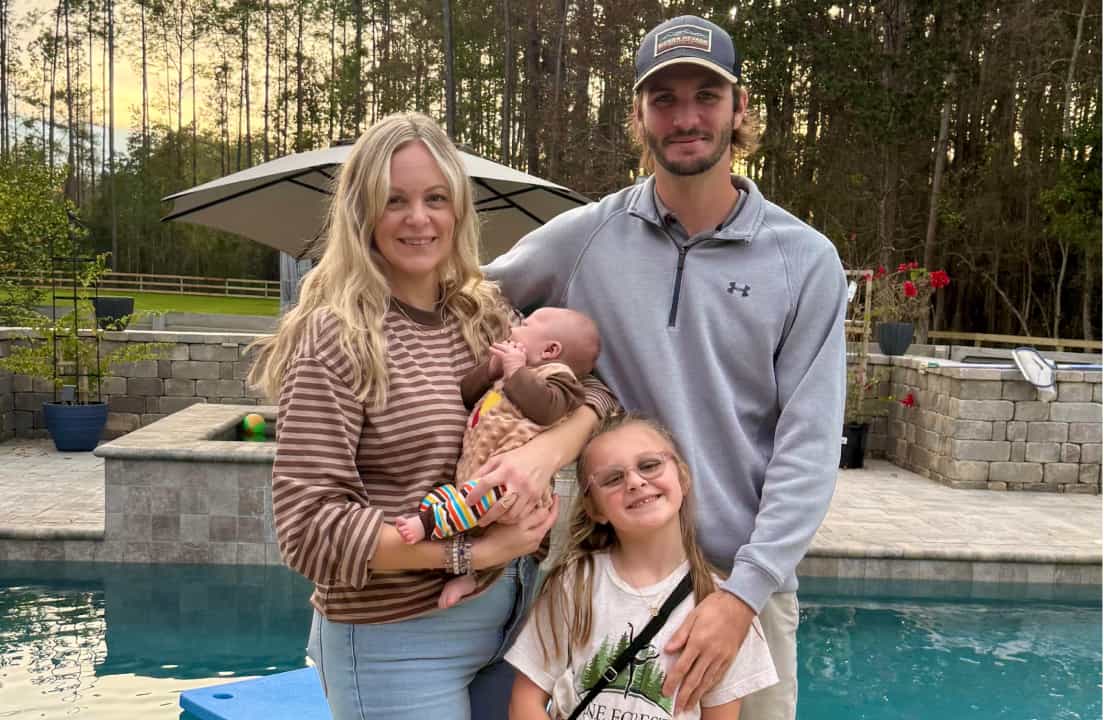
Erin Outlaw never wants to relive what she went through with her daughter, Avery: listening to her labored breaths as she fought for her life while driving to the ER, then a critical night in the ICU when Avery slipped into unconsciousness, and Erin worried she might not wake up.
.webp)
Erin and her family were in complete shock. Like most families of children diagnosed with type 1 diabetes (T1D), they had no family history. “I thought we had given her too much sugar, and then I realized that was crazy; she was only three and barely eating candy,” said Erin.
When type 1 diabetes is typically diagnosed in 60% of cases, the child, like Avery, is in DKA (diabetic ketoacidosis). In this life-threatening condition, the body lacks insulin and breaks down stored fat for energy, creating ‘ketones’ in the blood, a slow chemical poisoning that can lead to organ failure, coma, and brain swelling.
Avery’s Diagnosis
It was Mother’s Day 2023, and the family took a day trip to the beach. Erin said that Avery, who was three at the time and potty training, developed a severe diaper rash and complained about feeling tired. “She wanted to go home, which was very unlike her.”
In addition to her lethargy and severe diaper rash, Avery had a red, sore throat.
Erin checked with a relative in med school, who told her it could be one of two things: hand-foot-and-mouth disease or type 1 diabetes.
Erin took Avery to the pediatrician’s office the following morning. On the way, Avery was extremely sleepy, and that morning she drank four to five bottles of water.
Common Type 1 Diabetes Symptoms:
- Dehydration: Extreme thirst, dry mouth, and frequent urination.
- Stomach issues: Nausea, vomiting, and belly pain.
- Breathing changes: Fast, deep breathing and fruity-smelling breath.
- Lethargy: Confusion, dizziness or feeling extremely tired to the point of exhaustion.
At the appointment, Erin told the doctor to look at Avery’s chest. “It was almost like she was sucking in each breath.”
Upon hearing this, the pediatrician tested Avery’s blood glucose level with a finger prick, which read over 600. She said, “You have two choices: we can call an ambulance, or you can drive Avery to the emergency room right now.”
Erin chose the latter, while Avery dozed in and out of consciousness. “It got pretty bad after that. She pretty much went to sleep and didn’t wake up until the following day.”
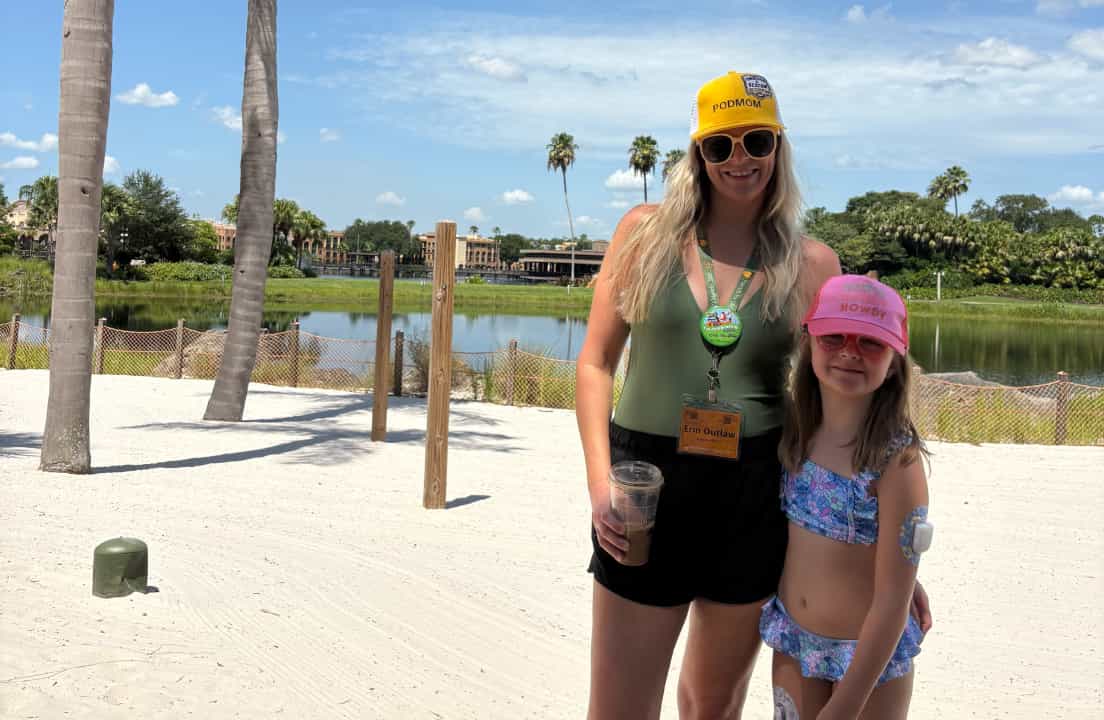
Fortunately, Avery was caught in time; not all children make it. After a night in the ICU, the nursing staff trained Erin and her husband about diabetes management. They even sent her home with a Dexcom G6 continuous glucose monitor (CGM), which isn’t always the case. Most families have to wait for insurance clearance, which can take up to six months. She wouldn’t get her life-changing Omnipod for a year.
Three-Day Crash Course on T1D
When parents learn that their child has been diagnosed with type 1 diabetes after going into DKA, they’re often mentally wrecked. Yet even as they process the shock of a lifelong, insulin-dependent condition, they’re expected to quickly learn how to monitor their child’s glucose levels and administer insulin, a lifesaving medication that can be dangerous, even fatal, if given in excess.
Like most parents, Erin and her partner were sleep-deprived and in shock. “You’re wondering how you’re going to do all this, how am I going to go back to work?” asked Erin. “How am I gonna survive? And your daughter is sitting there helpless, and we’re sent home after that.”
Erin felt the hospital staff, though positive and extremely helpful, sugarcoated the rigors of what lay ahead and told them Avery could eat anything she wanted.
A Traumatic Medical Event — DKA
“It’s like you get thrown to the wolves,” she said. “Overnight you’re a healthcare provider, and you need to learn everything you can about diabetes, and it was just too much. It was too much on me; it was too much on my husband, too much on my daughter, and it caused a lot of PTSD to this day. We had to get her in therapy. I had to go to therapy.”
The shock of a new T1D diagnosis can be traumatic. Families go from a normal life to a sudden medical crisis. This alone causes lingering anxiety long after recovery.
Early Screening Through T1D Scout
Erin felt compelled to share her story with T1D Strong. “If I can save one family from having to go through that, then I’ve done something good.”
When Erin heard of the genetic test on social media offered by T1D Scout, she immediately thought of testing her nine-month-old son, Drew.
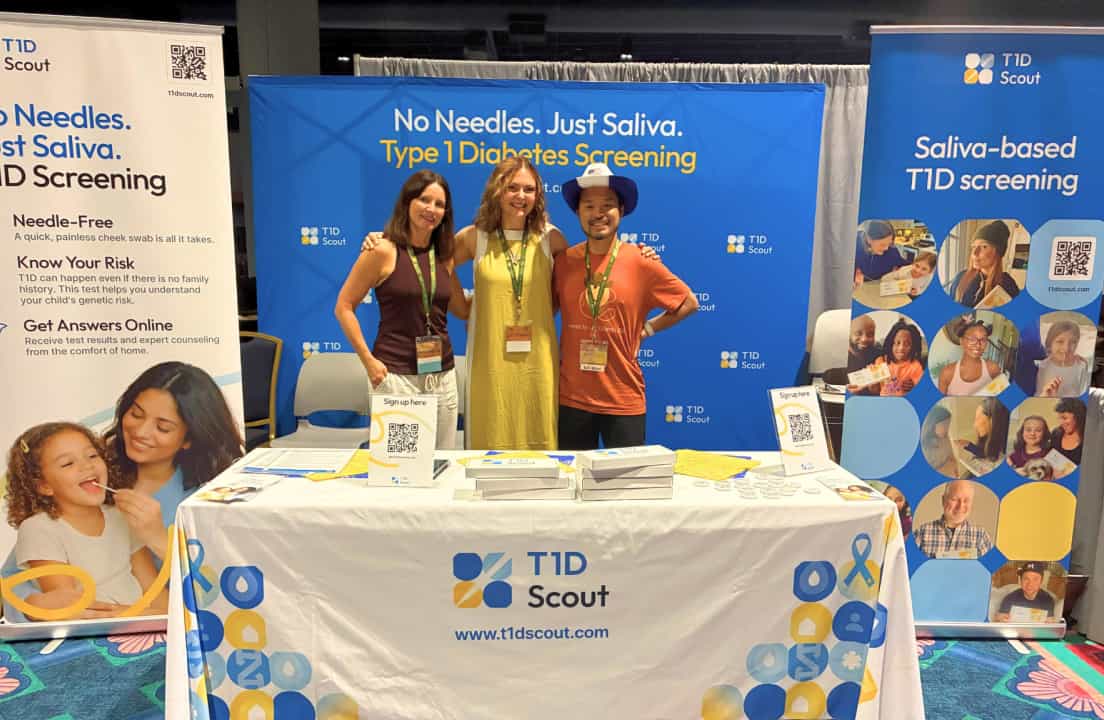
T1D Scout is a genetic test that shows a risk probability. It’s not the autoantibody test that requires a blood draw. Erin said what appealed to her most was the cheek swab aspect, as no child wants to be pricked for a blood draw if they don’t have to. “Also, I can test my child before the age of one. Most tests are one year old and up.”
She’s still awaiting the results for both Drew and herself, but whatever the results, she definitively wanted to know. “I don’t think I could survive another DKA diagnosis with my son,” Erin said. “I wouldn’t forgive myself, because I should know the signs, but they creep up so fast.”
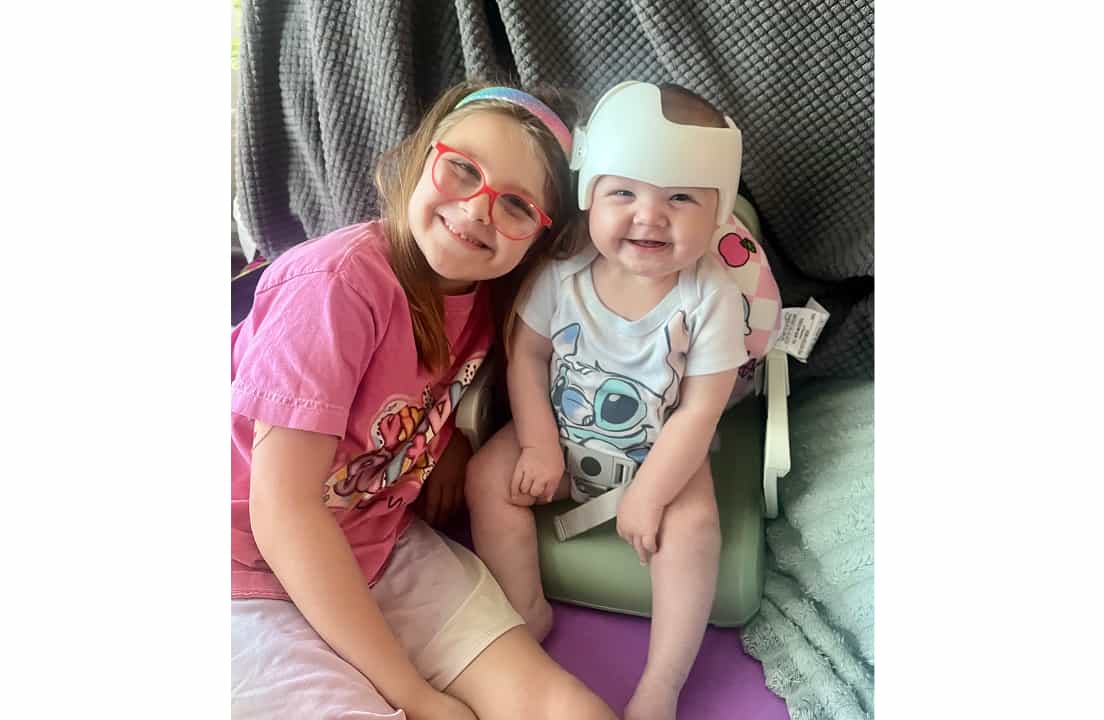
“Watching your daughter almost go into a coma, that was enough for me to be on board 100%,” she added. “My husband backed me 100%. We want to know ahead of time, so we can better prepare for everything.”
“In the past nine months, I have checked his ketones through his diaper and finger-picked him once or twice, just because I worried he was drinking too much. You know, you just have this fear, and I’m sick of sitting here in fear, and I want to know.”
The T1D Scout Saliva-Based Test Process
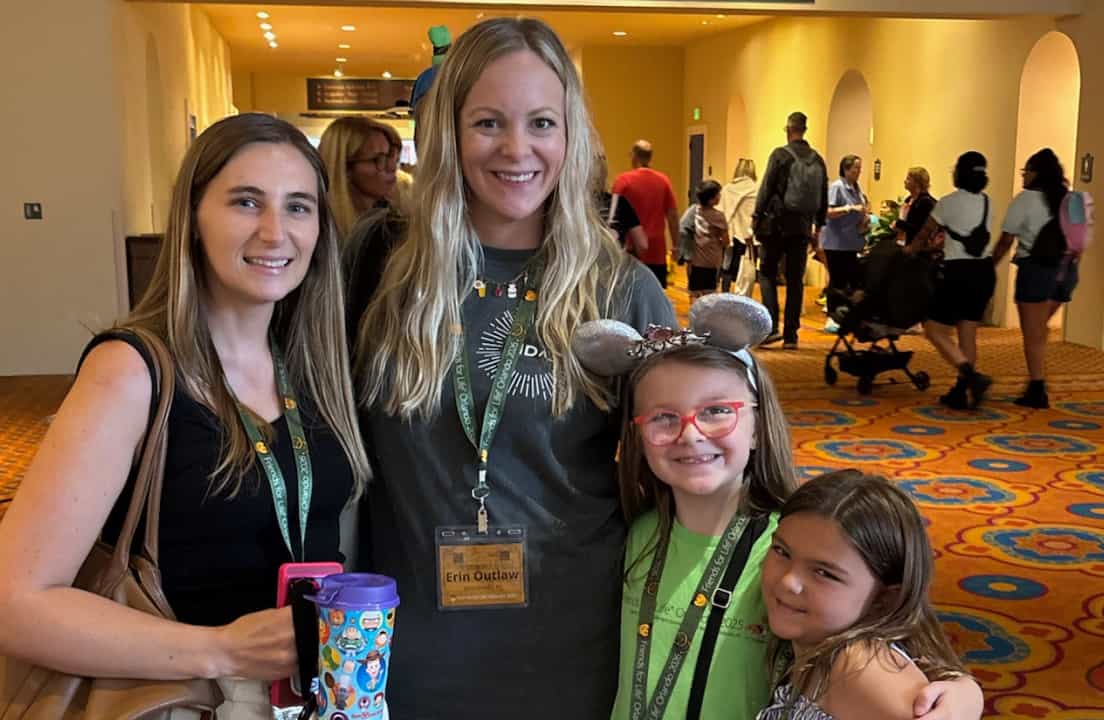
Erin ordered the test for Drew online, then took it herself at the Friends for Life Conference in Orlando, Florida.
“T1D Scout was amazing. They sent the tracking information, made sure I got it, asked if I needed any assistance or had any questions, and we sent it off about a week ago. I think it takes about two to three weeks, so we’re waiting. Just staying ahead of everything; that is my goal.”
Most parents with one type 1 child think they’ll recognize the signs to prevent their second child from developing DKA, but according to the National Institutes of Health (NIH), significant ketosis can set in within two to four hours, and full-blown DKA can materialize in just four to six hours.
What’s more, you can go into DKA with normal blood sugar levels. “It’s from lack of insulin. A lot of people have that misconception that you’ll have high readings, so you just never know,” said Erin. “I was constantly looking at my son, wondering, is it going to happen? When? How am I going to survive the age of three when he turns three? Because that’s all I’m going to be thinking about.”
Uncertainty Versus Knowledge
“I think uncertainty is harder than having the information,” said Erin. “You’re gonna have fear either way. I feel like the fear, if you test them, if they do have an autoantibody, or if they do have a genetic risk, but at least you have time to prepare; you have time to educate yourself. And that fear is way better than the fear of DKA.”
Erin went on to point out that if DKA is avoided, there will be fewer hospitalizations and better resources, and studies now show children who don’t present with DKA have better blood sugar control and better A1cs.
Why the Lack of T1D Information?
A lingering question for Erin and her family was why they weren’t informed about the dangers of DKA at pediatrician visits.
A common answer is that testing for type 1 diabetes is costly. Erin confirmed that her children’s pediatrician wasn’t aware of TrialNet, Autoimmunity Screening for Kids (ASK), T1D Scout or Tzield (teplizumab-mzwv), the first disease-modifying therapy approved to delay the onset of stage 3 type 1 diabetes.
Important Fact: Tzield is now available for patients aged 1 year and older with stage 2 T1D.
If you have time to learn all this and get screened early, it won’t be a piece of cake, but it will be a lot easier,” said Erin. “You have time to prepare; even your child will too.”
When Erin suggested getting tested herself for the autoantibodies, her doctor asked, “Why would you want to know? Why would you put that anxiety on yourself? And I love my provider. He’s amazing, but there’s just not enough education there.”
Erin tested negative for the autoantibodies through TrialNet, but still wanted to know her risk, as the autoantibodies may develop over time.
Advice to Newly Diagnosed Families
Erin explained how, in that first year after Avery was diagnosed with T1D, “We were still grieving our old life. It’s such a life-altering experience.” If she could offer any small bit of advice to other families, it would be to keep breathing and remember there’s always tomorrow.

“Diabetes is ever-changing, and what you do today, whether it’s a correction dose or insulin dosing for a meal, what works today might not work tomorrow. It’s the nature of the beast."
"Connect with other T1D groups both online and in person. I promise you it’s gonna get better," she added.
Erin and Avery attended the Friends for Life Conference in Orlando, Florida and found it life-changing. “I’ve met probably lifelong best friends at this conference. We talk every day; Avery FaceTimes her friend.”

Check out Erin and Avery’s story on Instagram: Erin_T1D_Mama. Erin wanted to raise awareness for the disease that blindsided them. She hoped to broaden their presence in the online T1D community because, "once you meet others, it opens up so many possibilities."


.webp)


.jpeg)



















.jpg)







.jpg)




%20(1).jpg)



.jpg)
.jpg)
.jpg)
.jpg)
.jpg)
.jpg)
.jpg)

.jpg)
.jpg)
.jpg)
.jpg)
.jpg)
.jpg)
.jpg)
.jpg)

.jpg)
.jpg)
.jpg)
.jpg)
.jpg)

.jpg)

.jpg)
.jpg)

.jpg)

.jpg)
.jpg)


.jpg)
.jpg)


.jpg)
.jpg)
.jpg)


.webp)
.svg)