T1D Guide
T1D Strong News
Personal Stories
Resources
T1D Misdiagnosis
T1D Early Detection
Research/Clinical Trials
From Personal Inspiration to a Global Mission: The Story Behind Project Insulin
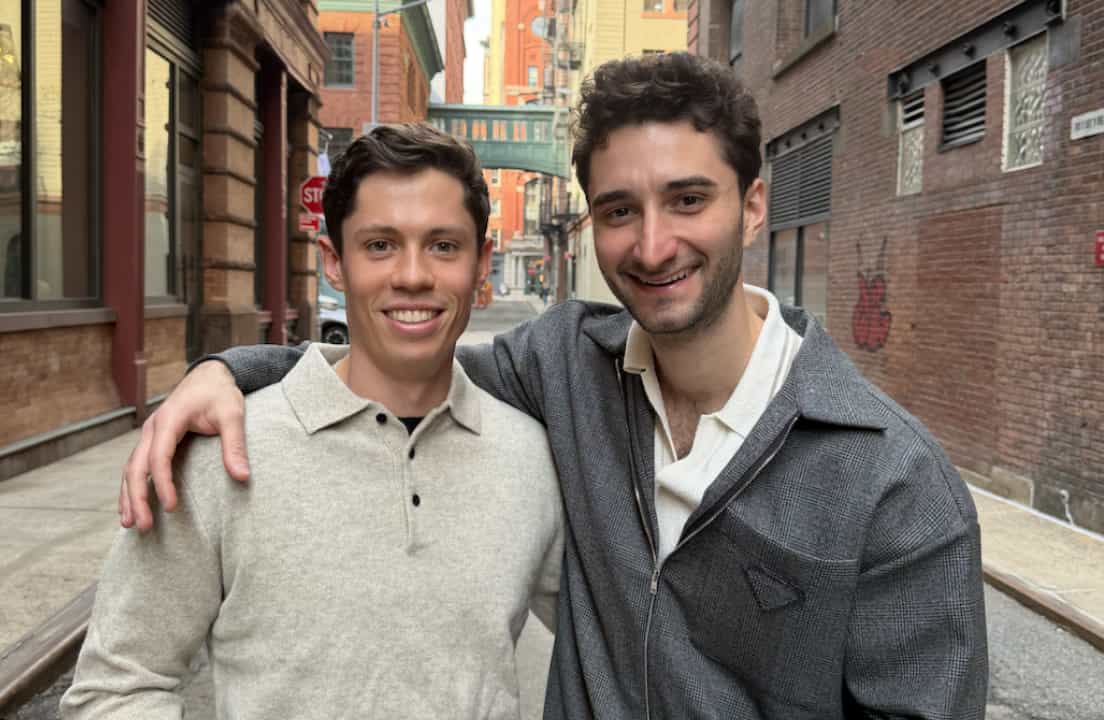
When Project Insulin Founder and Executive Director Eric Moyal began dating his partner, Gabriella Fleischman, who has lived with type 1 diabetes (T1D) since age 14, stories of people rationing insulin inspired him to act.


They had only been dating six months, but that time frame offered Moyal a front-row seat to just how much resilience and vigilance a chronic illness like type 1 diabetes (T1D) demands. You begin to see the highs, lows, alarms and mental fatigue, plus the financial anxiety: extraneous insulin isn’t just medication; it’s life support.
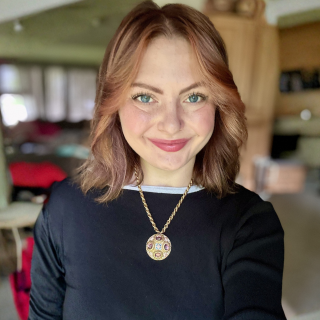
Gabriella Fleischman’s Backstory
Fleischman’s sister was diagnosed with T1D when she was around age 10, so fortunately her parents and doctors knew to watch for signs. They checked her blood sugar through the years, and at one point, her mom noticed her fasting blood sugar was a little high.
At age 13, she enrolled in a T1D siblings study, where they learned that, although not symptomatic, she was in the early stages of developing type 1 diabetes. She didn’t have any traumatic event like diabetic ketoacidosis (DKA), but she said the pre-symptomatic diagnosis had its own kind of stress.
“It was this anticipatory anxiety of knowing that I had diabetes but not really living it, and it was kind of a weird age to not really have a set identity. I was concerned about whether to tell people I have diabetes or not because I couldn’t really relate to people with it at the time.”
Today, Fleischman is an assistant professor of economics at the University of Pittsburgh. She also serves on Project Insulin’s Board of Directors.
The idea for Project Insulin came when the two were still fairly new to their relationship.
The Conversation that Sparked Project Insulin
In 2020, Fleischman and Moyal had a discussion about the cost of insulin. As a PhD student, Fleischman wrote a paper that included a line about someone rationing insulin. It prompted Moyal to ask, “Why isn’t anyone doing something about this?”
“Eric had thought that the price was so high for reasons related to the technology and production costs, and I basically told him no, that’s not what’s going on here,” said Fleischman. “This is off-patent. It’s been around for a long time, and the issue is that there are only a few companies that make it and they can charge whatever they want.”
Founded in 2021, Project Insulin began with the question: If insulin has existed for over a century, why can’t people afford it? In the 1920s, Frederick Banting and co-investigators sold their patent rights for just $1.
What began as a gift to humanity has become a multi-billion-dollar corporate game: the ‘big three’ insulin manufacturers have maintained a 90% global market monopoly for decades, and middle organizations such as pharmacy benefit managers add layers of cost, leaving patients to pay inflated insulin prices.
Fleischman added that since it was COVID at the time, there was concern about medication prices and increasing diagnoses of autoimmune diseases. “We had the sense that there was a lot of money out there for projects like this.”
This seems fixable, right?
Moyal came from an entrepreneurial, fundraising background, and he thought that if the technology was there, someone just needed to raise the money. “Eric likes to do things that are meaningful, and he likes a good challenge,” said Fleischman.
The two believed that it was scientifically and technically feasible. Eric spent nine months seeking the information to prove that belief wrong by having informational interviews with experts. Although many experts thought that bringing Project Insulin to fruition would be very challenging, their main concerns were with the funding model rather than the technical feasibility of creating and selling a biosimilar insulin.
“It was an opportunity to make a real significant change in healthcare,” said Moyal.
“I think I had naivete on my side,” he joked. “Not knowing how big of an endeavor this is really played into my favor. I thought the strategy was: we just need one person to give us $50 million, and it’ll be fine.”
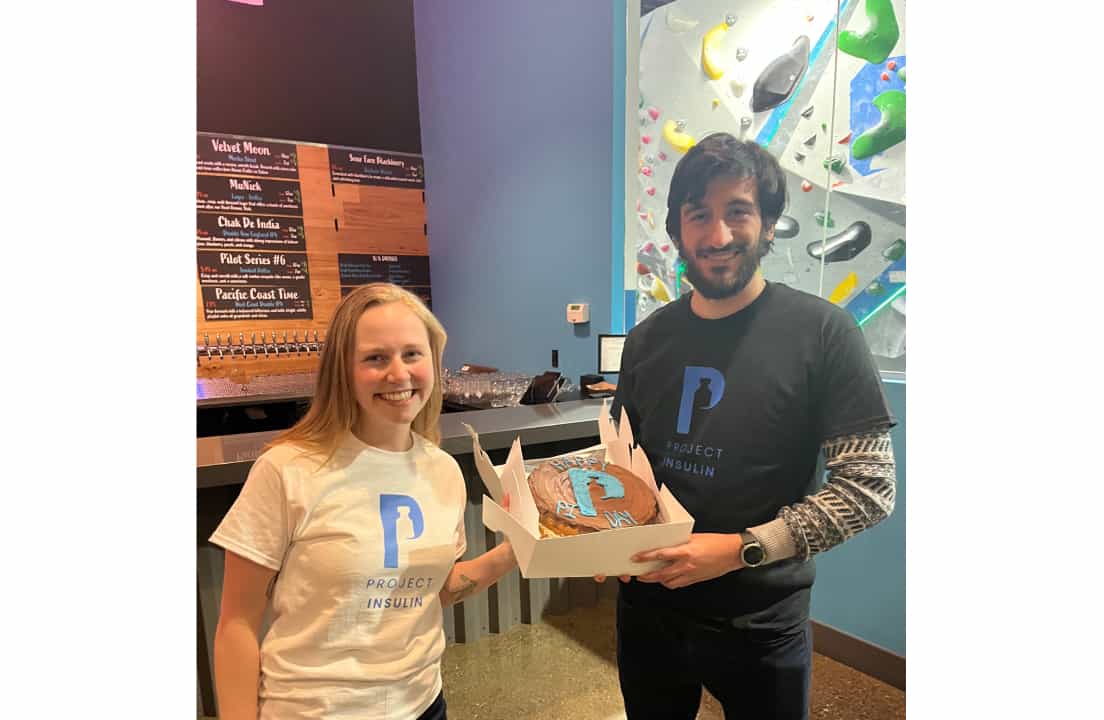
Instead, Project Insulin has been slowly and steadily building through small and mid-sized donations. They’ve accomplished a great deal incrementally. “We’ve had to show that we can accomplish each step before raising money for the next, which is fair,” said Fleischman. “It became real to me that this approach was working when he decided to start working for Project Insulin full-time. I realized, this is his job now, this is really happening.”
Six years later, Moyal’s vision of bringing affordable insulin to market is a big step closer to becoming reality. Over the summer of 2026, Project Insulin partnered with a multi-billion dollar global drug developer to begin drug development on its own biosimilar insulin glargine. In the future, they will sell this insulin directly to patients at cost, regardless of insurance status.
The Reality of Rationing
Despite recent federal and state price caps, a 2025 Yale School of Medicine study published in the Journal of General Internal Medicine found that 1 in 4 insulin-dependent patients (24.1%) still ration insulin strictly due to cost, and nearly 38% (37.7%) ration when factoring in insurance approval delays and pharmacy shortages. Even with private health insurance, high deductibles and prior-authorization delays can cost patients hundreds of dollars out of pocket.
Moyal said the biggest misperception about turning this dream into reality is time. “Even now, people don’t understand why it would take so long since the patents are expired. Even though the recipe is available, each company still has to prove that they can make it and that their version works just as well as the original."
New Chief Scientific Officer
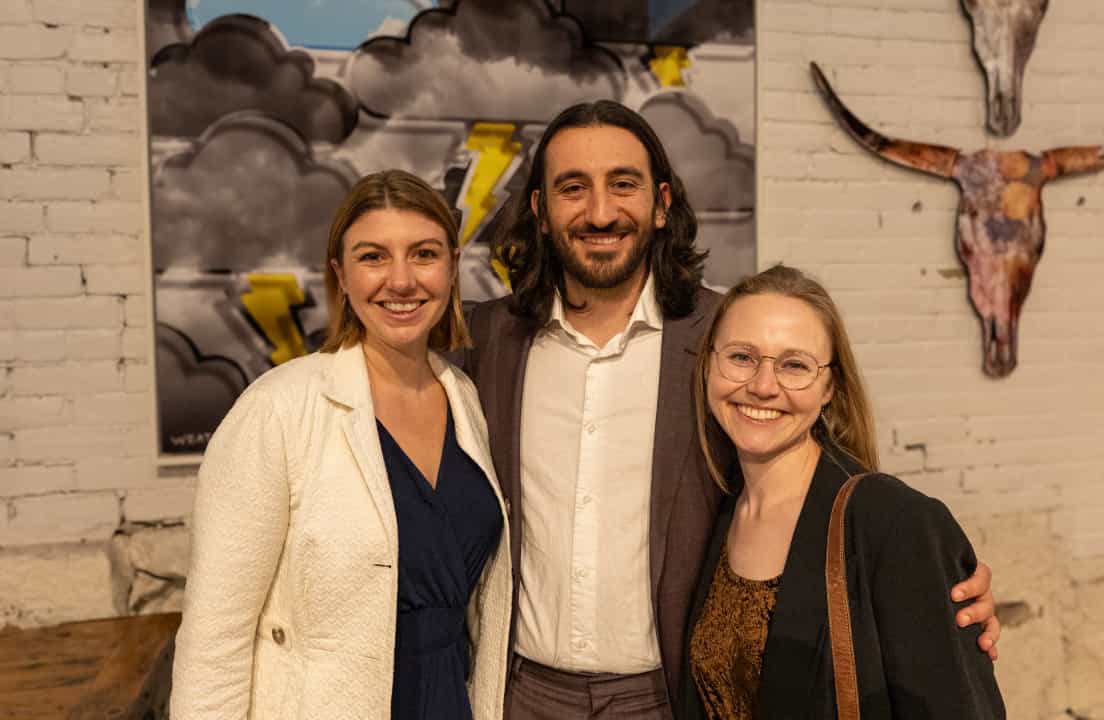
Project Insulin hired Dr. Allison Ortigosa as Chief Scientific Officer in August 2025. Dr. Ortigosa holds a Ph.D. in Biochemistry and Biophysics from Texas A&M University and completed her postdoctoral research at MIT.
Moyal said she was the right person to lead drug development for the organization. She has over 18 years of experience in bioprocess development and pharmaceutical leadership, including 16 years at Merck & Co., where she served as the drug substance technical lead for insulin glargine and guided the program from laboratory scale through commercial manufacturing.
“Not only did she work on insulin, but she was making insulin glargine. She was making what we’re making,” said Moyal. “She did the whole process from the early drug development work to getting it FDA approved. To have found someone with that kind of qualification was such a boon for us, and the progress we’ve made is stark compared to what had happened before.”
They now have the team, the partnership and the drive. “We are officially on the path to making our own insulin,” Moyal said. “It’s slow, but it’s happening.”
Project Insulin Begins Drug Development
In July 2026, Project Insulin began drug development through a partnership with a global Contract Development and Manufacturing Organization (CDMO), officially launching its drug development program.
Additionally, Project Insulin has partnered with BioEthica, LLC, a regulatory, quality, and analytical consulting firm, to advance its FDA regulatory strategy. This is a critical step to confirm that Project Insulin is on track for an expedited regulatory pathway.
“Every step forward on the regulatory side brings us closer to affordable insulin for the people who need it most,” said Moyal.
Project Insulin hopes to start pricing at $30 per vial. “We’re not focused on cornering the market; our focus is on helping the people who need it the most. We want to be a safety net.”
Today, several companies and manufacturers offer FDA-approved or commercially available biosimilar insulin, including Eli Lilly’s Basaglar, Sanofi-Aventis’ Rezvoglar, and California’s state-sponsored brand, CalRx, in partnership with Civica Rx.
“There needs to be competition, and competition leads to lower prices over time,” said Moyal. “No one company can make enough insulin.”
Turning Purpose Into Progress
Navigating regulatory approval and funding the biosimilar safety testing relies on philanthropic grants and grassroots donations.
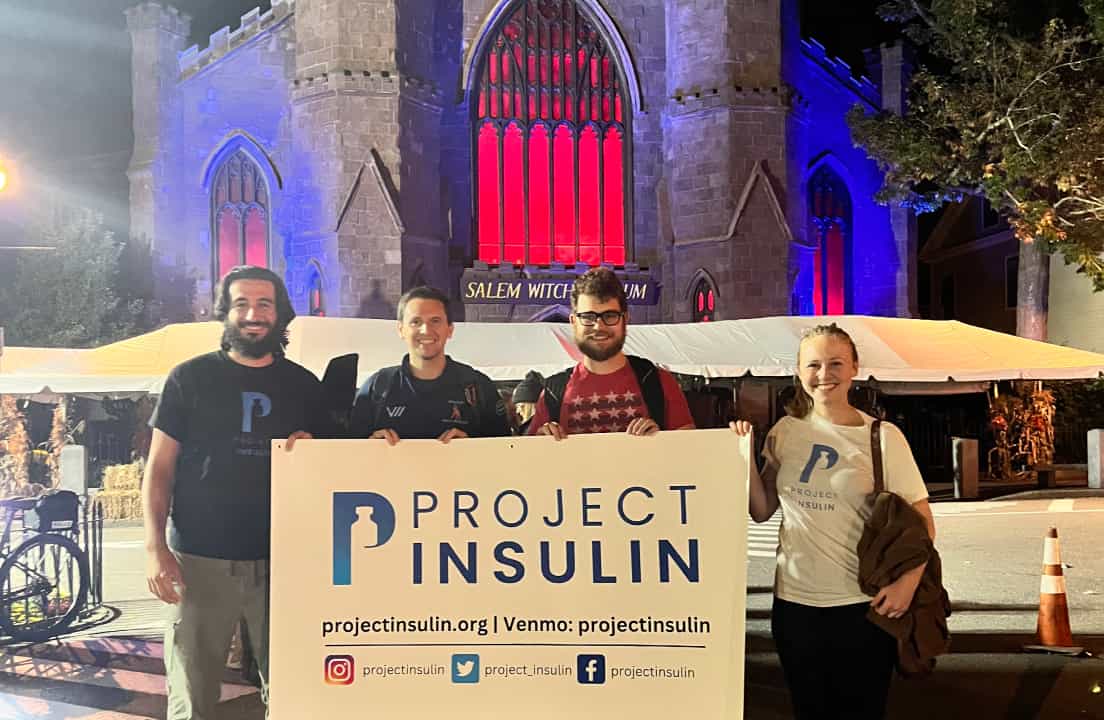
Moyal said they’re currently trying to raise about $2 million to move through the next drug development phase and expand their team. “We’ll need to grow as an organization. We just built a timeline page on our website so you can actually see where we’re at,” he added. “If you want to come to any of our events in the future, join the newsletter so you can get updates as they come out.”
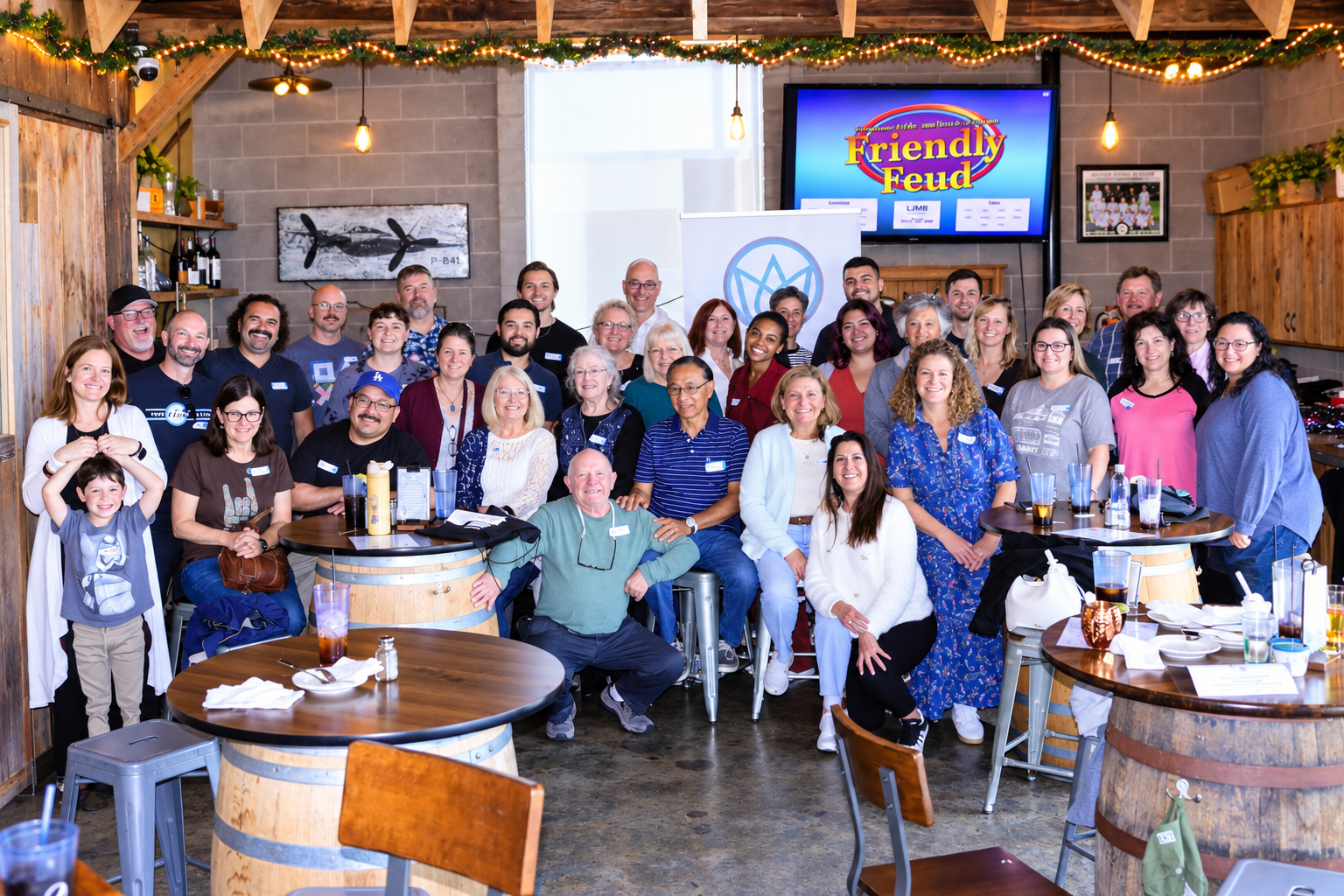
Over the last six years, they’ve built a network of allies. The organization recently held a Brooklyn event featuring comedians and performers (all of whom have diabetes) to help raise funds. They also celebrate PI Day, the organization’s annual flagship campaign, using a play on words to tie the mathematical Pi (3.14) to its acronym PI. It runs every March 14th and serves as a major fundraiser.
The couple’s mission to bring high-quality, affordable biosimilar insulin to patients is closer to fruition. The new manufacturing agreement gives Project Insulin access to world-class infrastructure and expertise.
“It’s been cool building a company together,” said Moyal.
You can join the fight for affordable insulin by donating or volunteering your time at projectinsulin.org.